
Last updated September 22, 2026
Level 1 sweep and inspection to the NFPA 211 annual standard - flue, crown, cap, and flashing checked and photographed
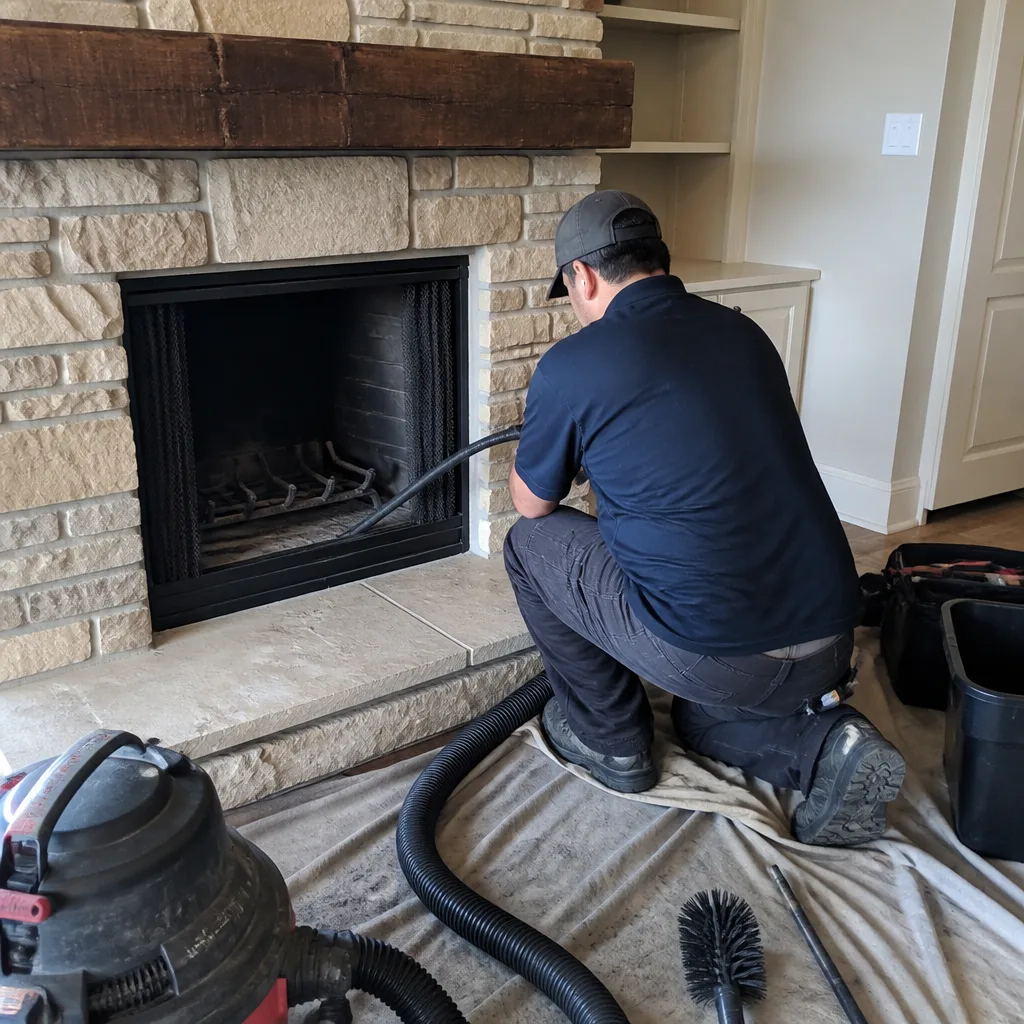
Chimney sweep logs do not sweep chimneys. They loosen some creosote - which then falls where a brush and vacuum still have to collect it.
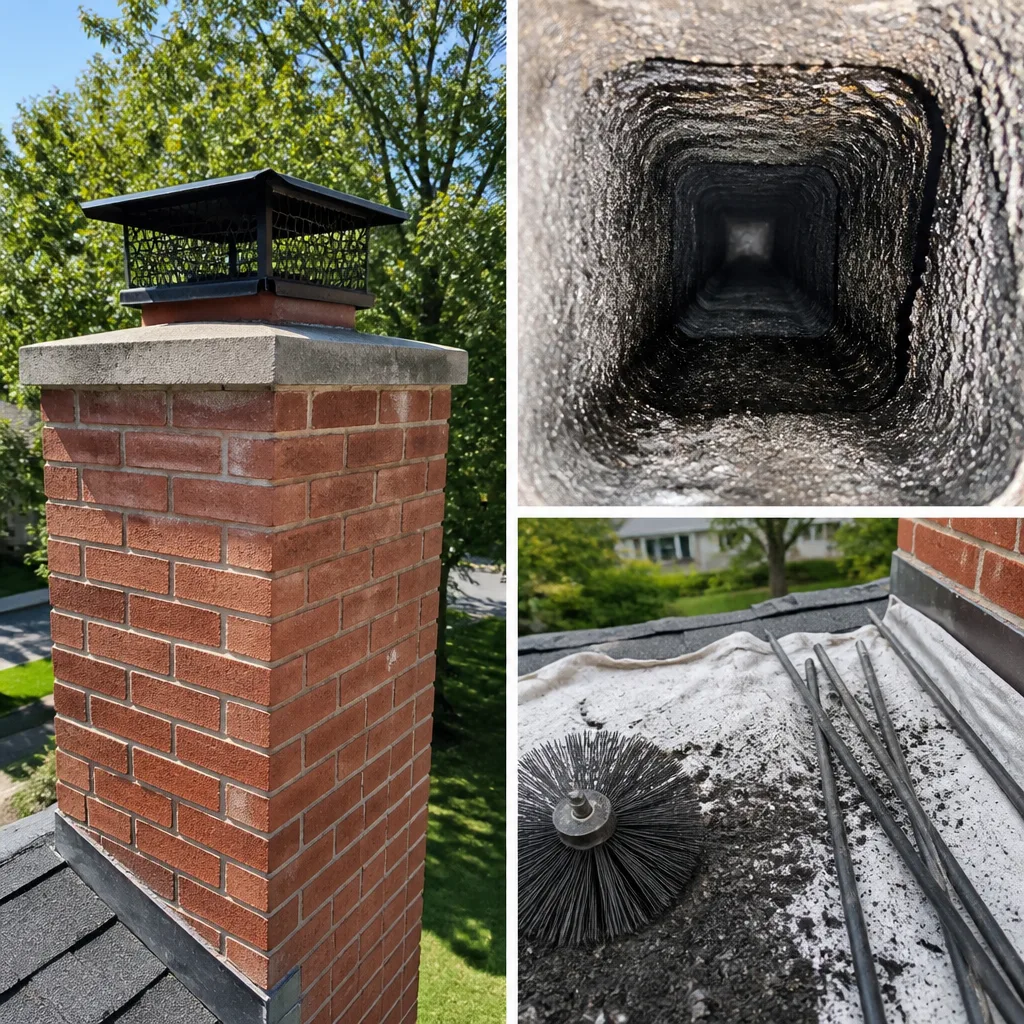
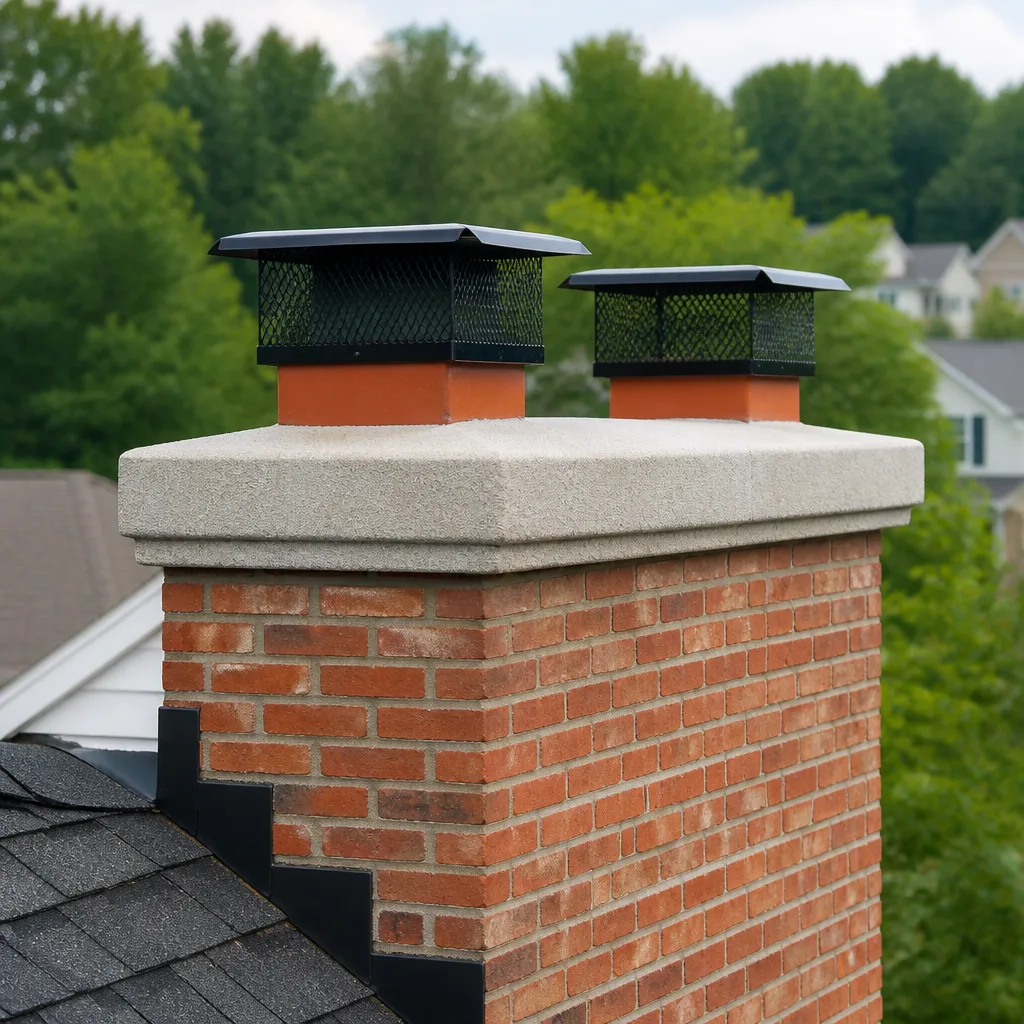
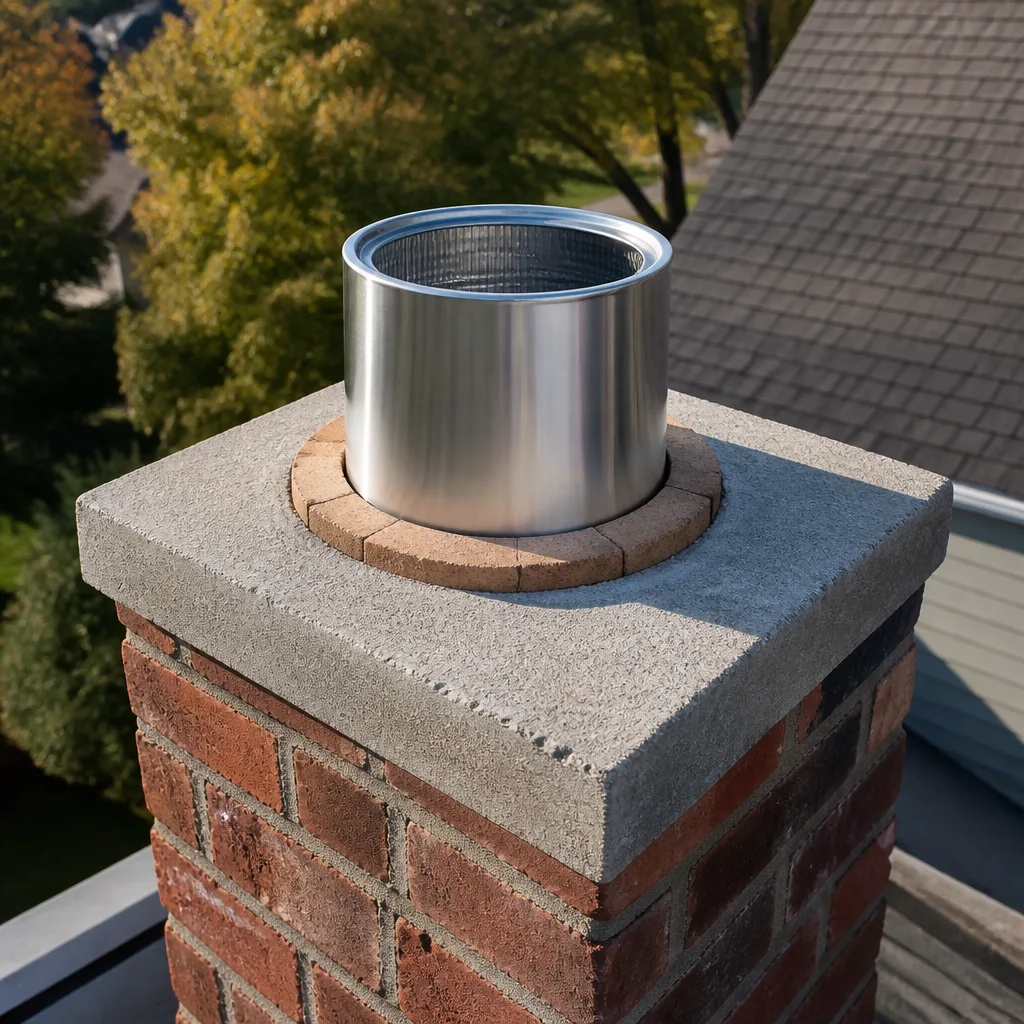
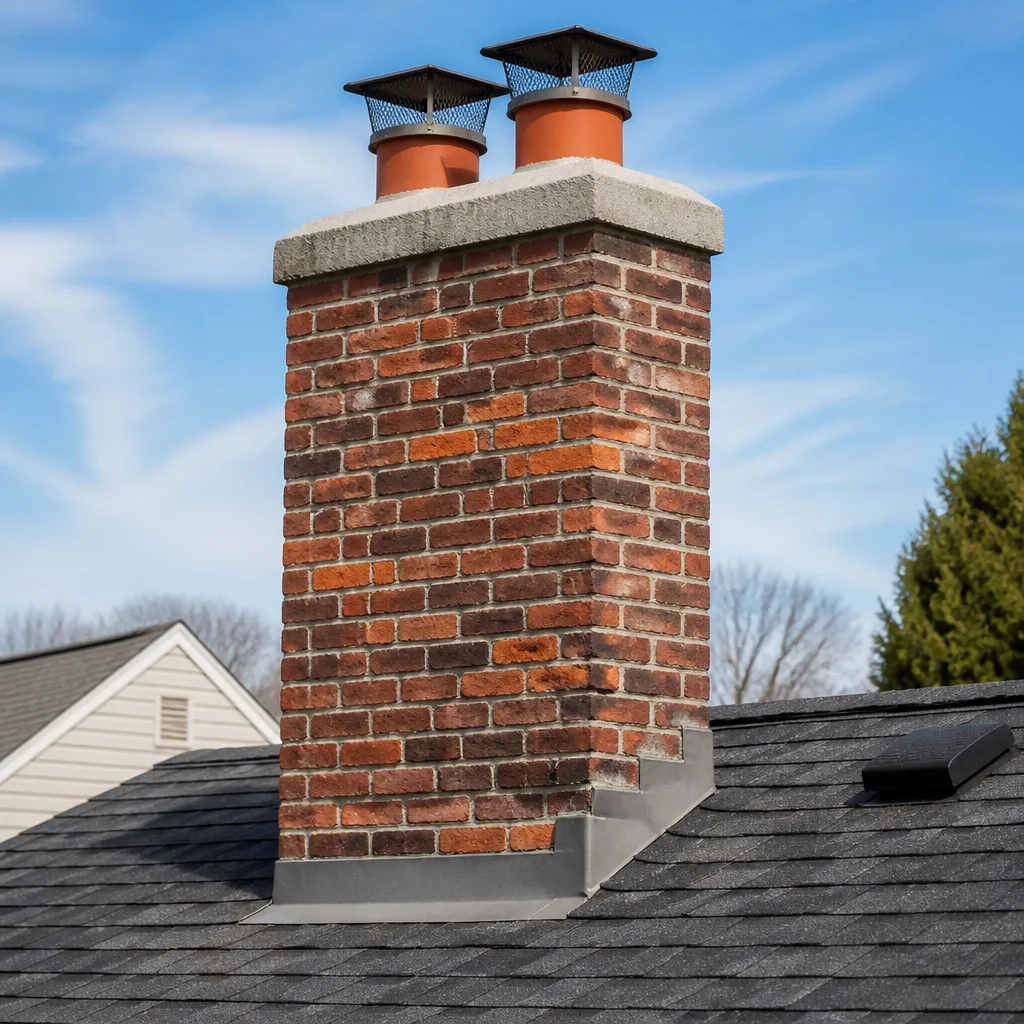
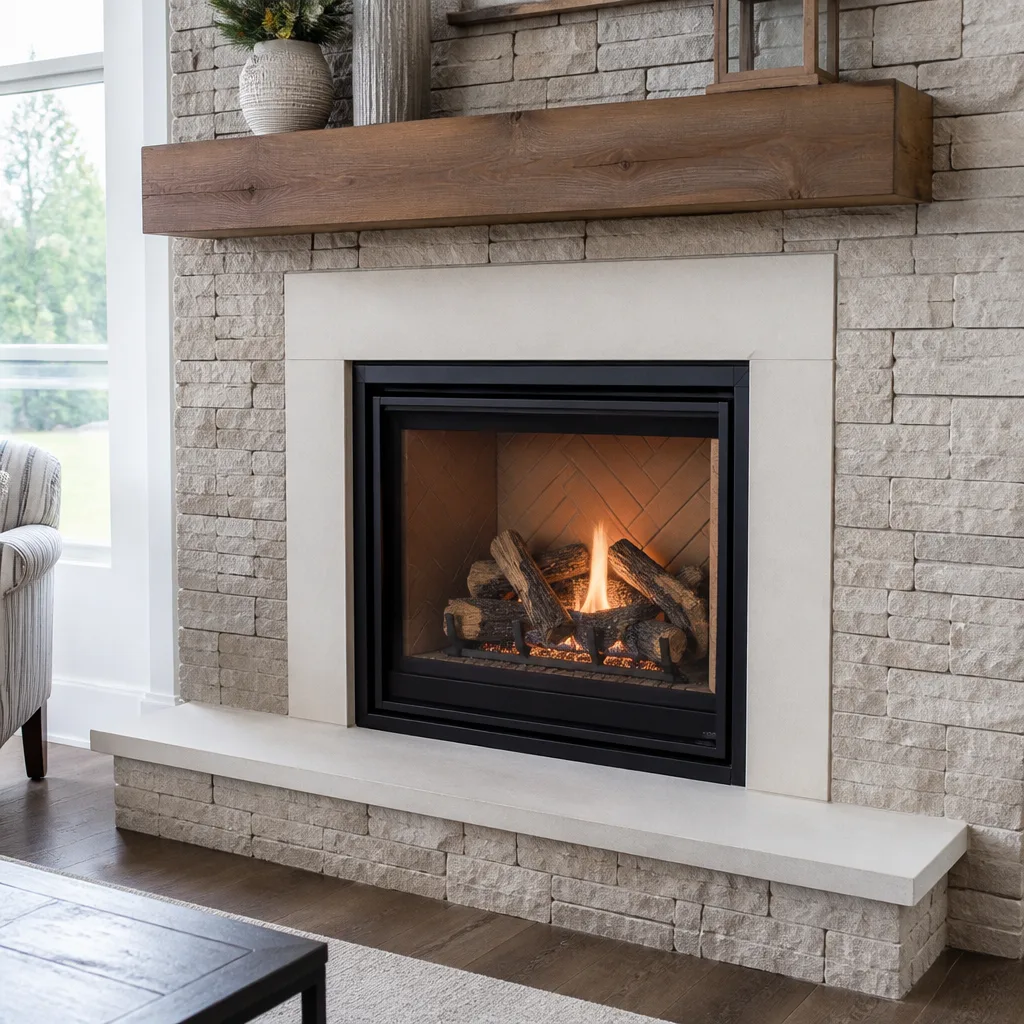
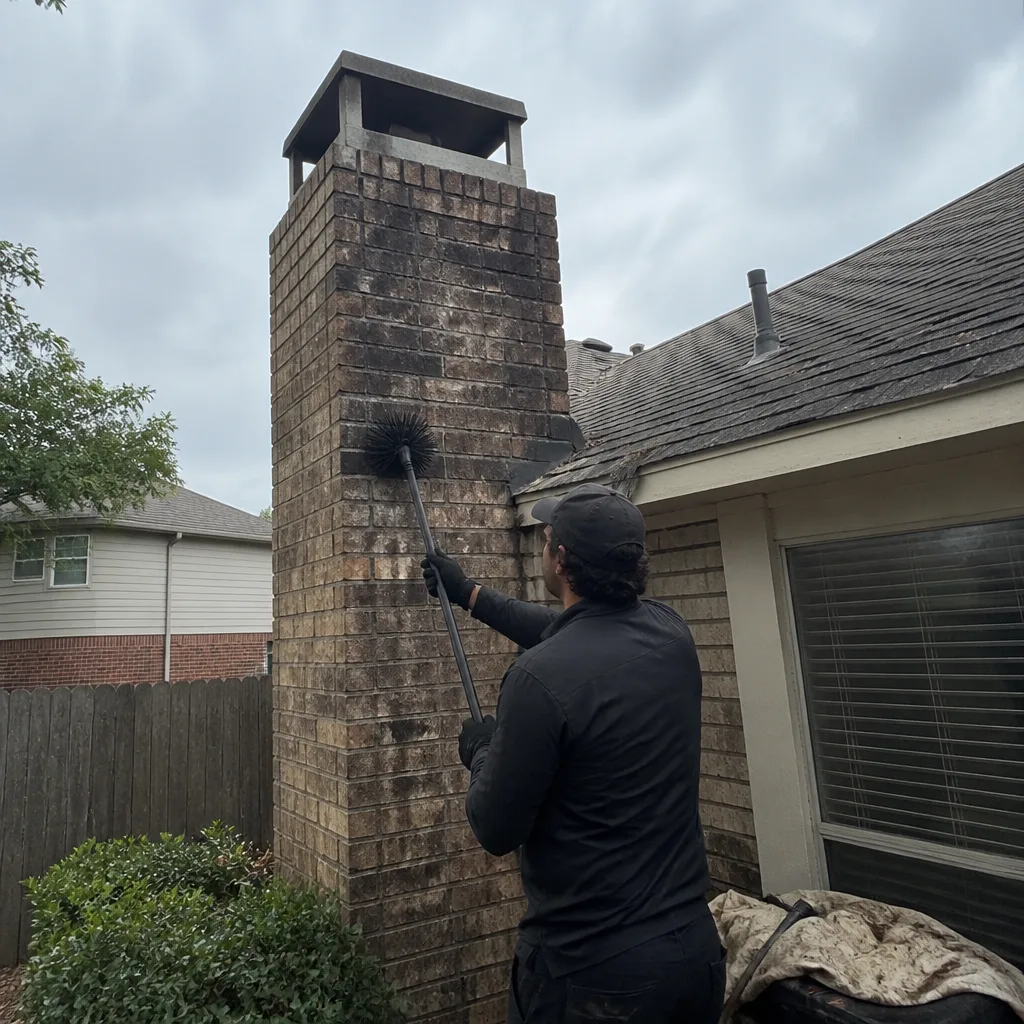 Before
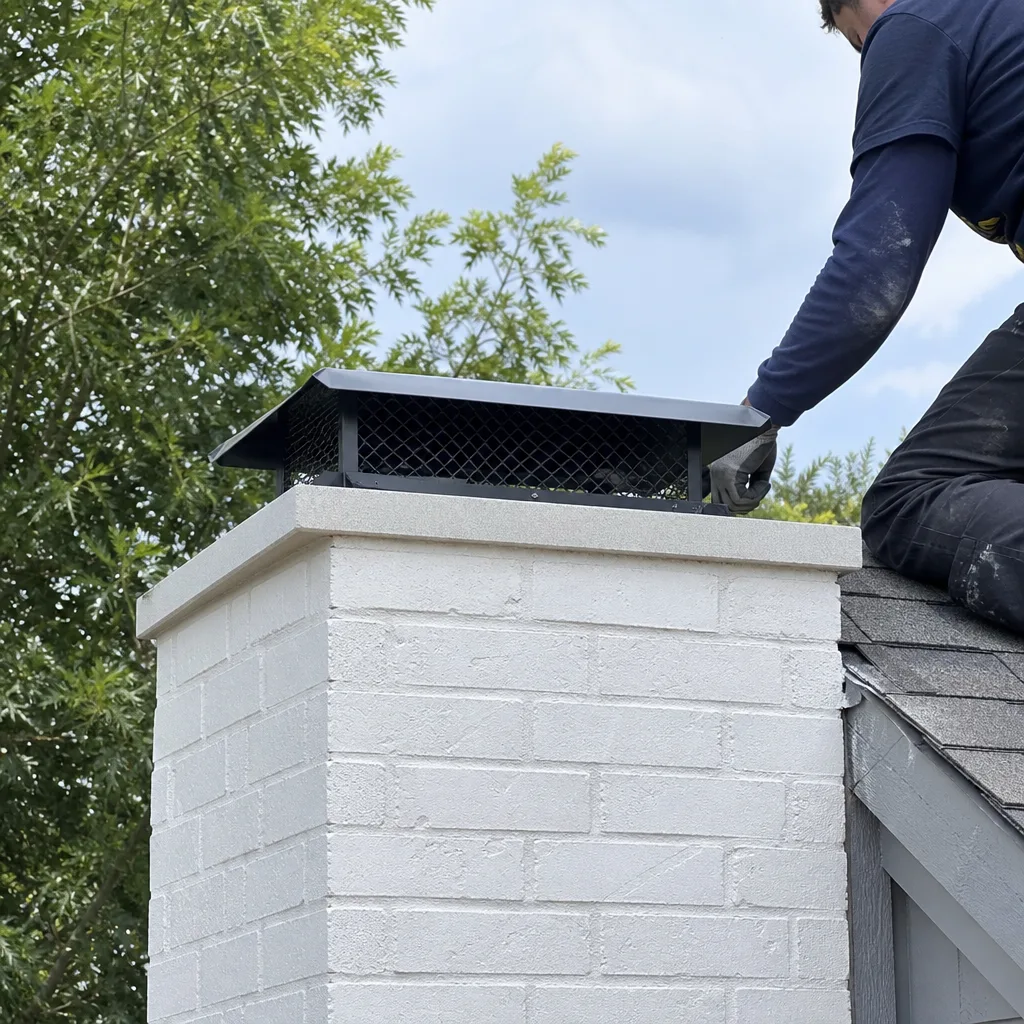 After
After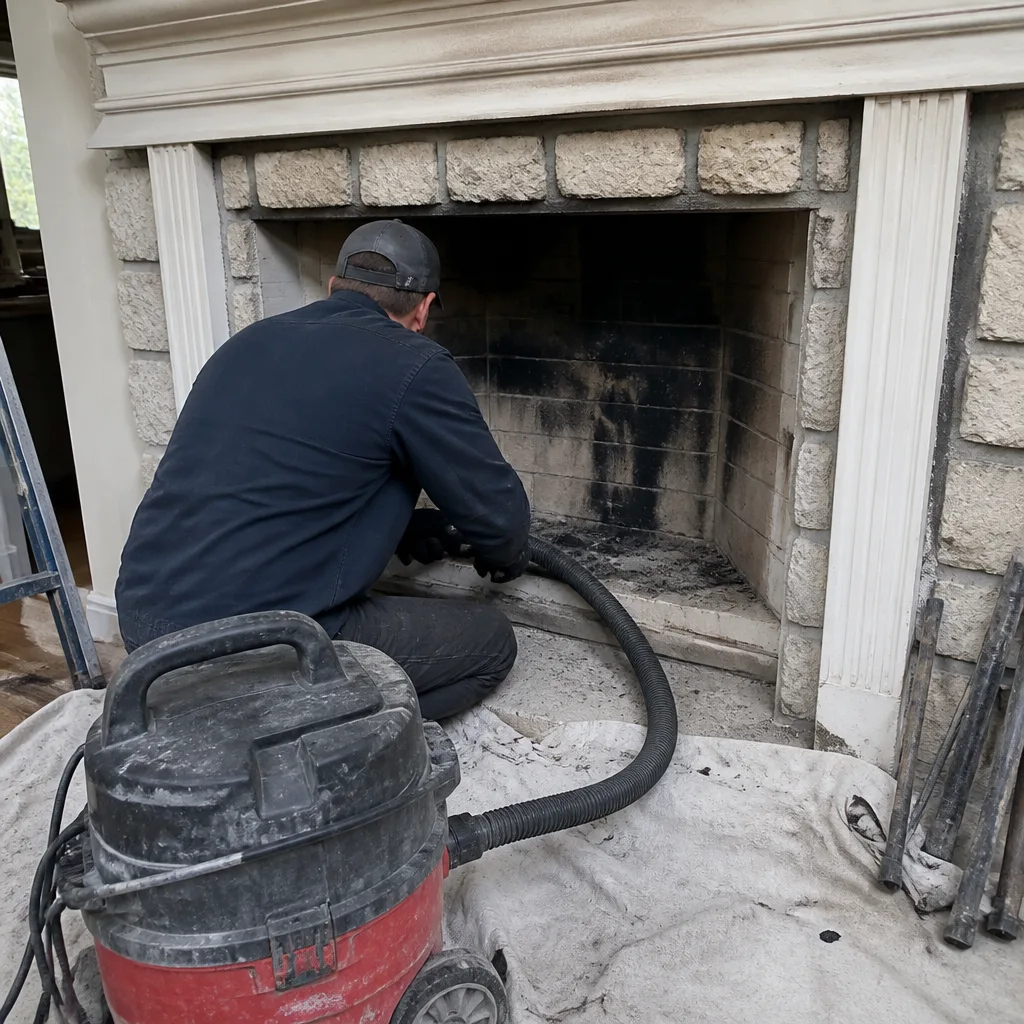 Before
 After
After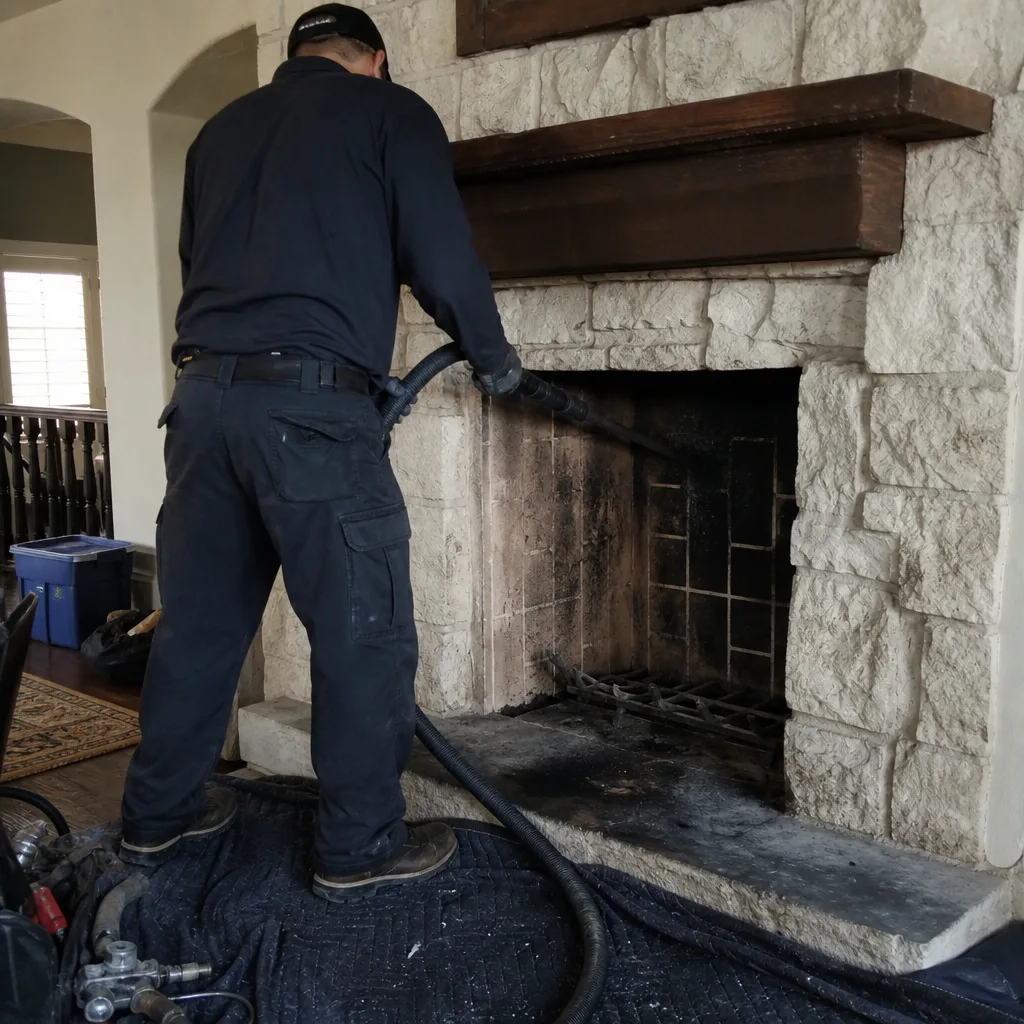 Before
 After
AfterThe Complete Guide to Chimney Cleaning in Plano
A chimney can pass a visual sweep and still be one fire away from a $40,000 liner replacement. In Plano, we’ve pulled Level 1 “clean” certificates from flues hiding glazed creosote behind a thin layer of soot - the kind of hidden buildup that turns a routine fire into a structure fire in under 20 minutes. This guide shows what chimney cleaning actually means under Texas property code, why a brush-and-vacuum service leaves critical gaps, and how to read a sweep report like the insurance adjuster who may request it later. For seasonal chimney cleaning care in Plano and year-round maintenance timing, see our dedicated homeowner’s guide. Whether you burn oak from Collin County or run gas logs in a Legacy West townhome, here’s what matters.
Quick Answer
Professional chimney cleaning in Plano costs $199-$389 for a standard sweep with NFPA 211 Level 2 camera inspection, and should be performed annually for wood-burning systems, every 2-3 years for gas, and before every home sale under Texas disclosure requirements. A proper cleaning removes creosote, debris, and obstructions, but the critical safety check happens with a camera scan of the flue liner - something a basic brush service cannot provide.
Table of Contents
- What Chimney Cleaning Actually Includes (And What It Doesn’t)
- The Three Levels of NFPA 211 Inspection: Why Level 1 Is Often Illegal
- Camera Scan vs. Flashlight: What Each Actually Sees
- The Plano Burn Season Timeline: When to Book and What Waiting Costs
- Gas Logs, Wood Inserts, and Coal: How Fuel Type Changes Everything
- Documented Records: Why Your Insurance Carrier Cares About Your Sweep Report
- What Chimney Cleaning Costs in Plano
- Choosing a Chimney Sweep in Plano: Red Flags and Green Lights
BeforeAfterWhat Chimney Cleaning Actually Includes (And What It Doesn’t)
Chimney cleaning is not a single procedure. It’s a bundle of distinct tasks, and in Plano, the quality gap between providers starts with which tasks they include by default.
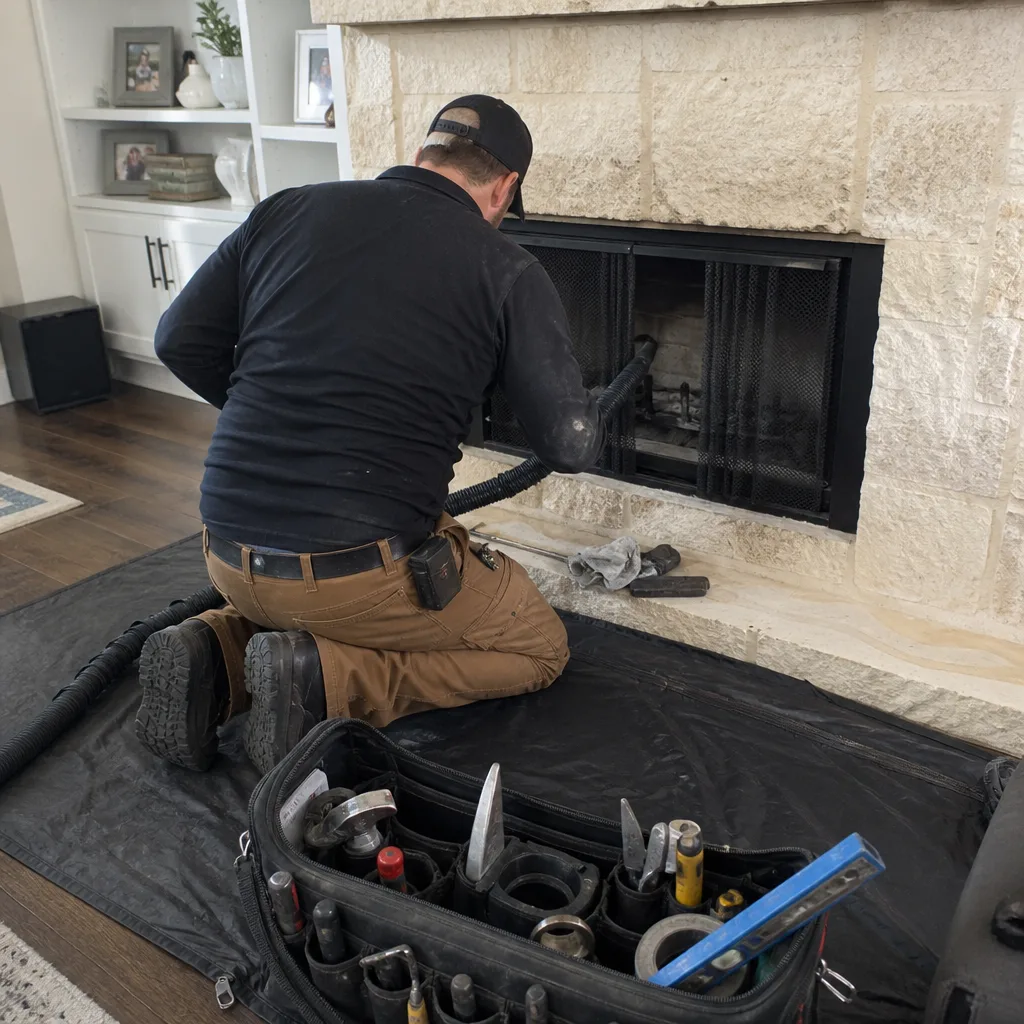
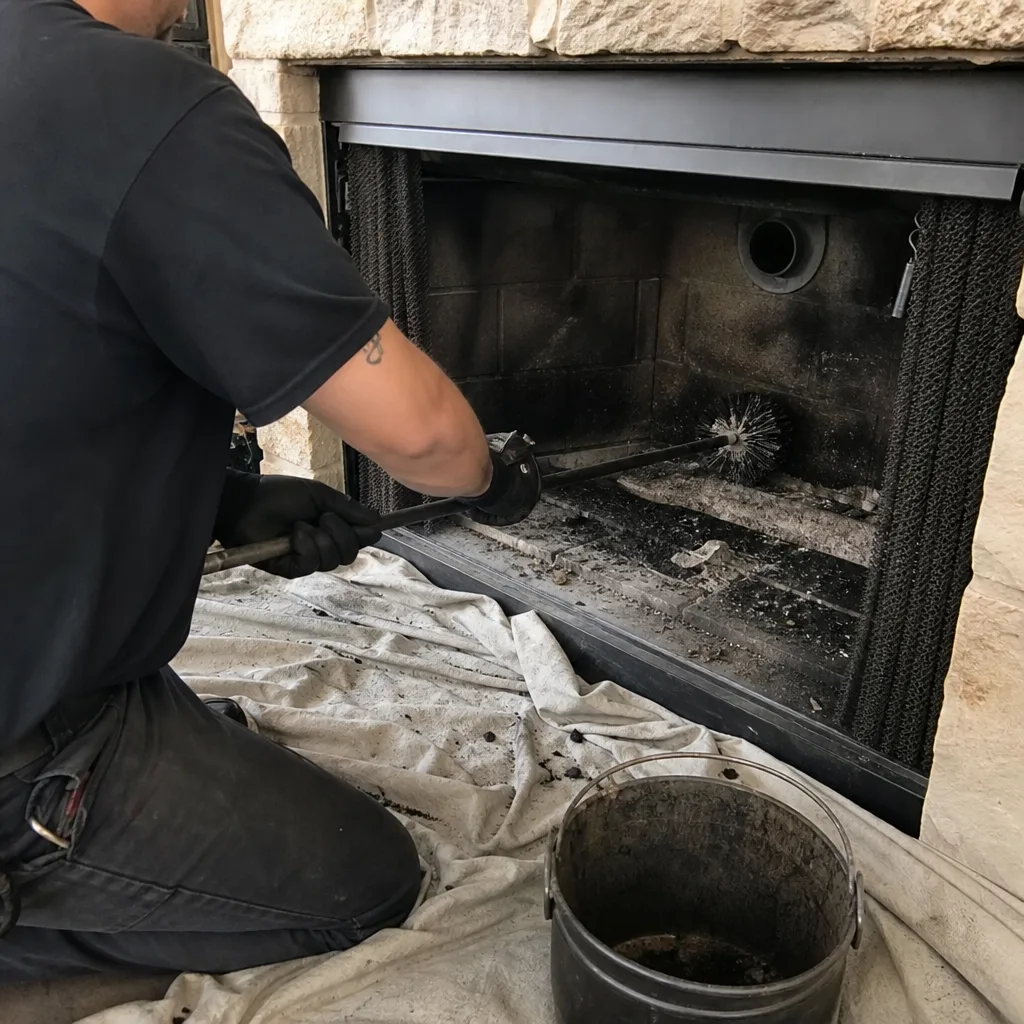
A complete chimney sweep and cleaning covers:
- Flue brushing with appropriately sized rods and brushes - matched to your liner material (clay, stainless steel, or cast-in-place) and flue diameter. Using an oversized brush in a stainless liner from DuraFlex can score the interior and create creosote-catching ridges.
- Smoke chamber and firebox cleaning - the area above the damper and below the flue throat, where most chimney fires actually start. This space is invisible from the roof and inaccessible to standard brush rods without specialized equipment.
- Damper inspection and operation check - verifying full open, full close, and that the plate seats without gaps that would leak conditioned air year-round.
- Debris and obstruction removal - bird nests, squirrel caches, and the leaf accumulation that Plano’s mature oak canopy deposits in uncapped flues.
- NFPA 211 Level 2 camera inspection - a documented video scan of the entire flue interior, from firebox to crown, stored with your customer record.
What a basic service often omits: the smoke chamber, the camera scan, and any documentation beyond a handwritten receipt. We’ve serviced homes in Willow Bend where the previous “sweep” never removed the damper plate, leaving 30 years of creosote buildup in a space no flashlight reaches.
The Haven Standard requires all five elements on every visit. Clause 4 specifically mandates the photo record - not as an upsell, but as the baseline. We’ve maintained that archive since 2009, currently exceeding 38,000 documented inspections.
The Three Levels of NFPA 211 Inspection: Why Level 1 Is Often Illegal
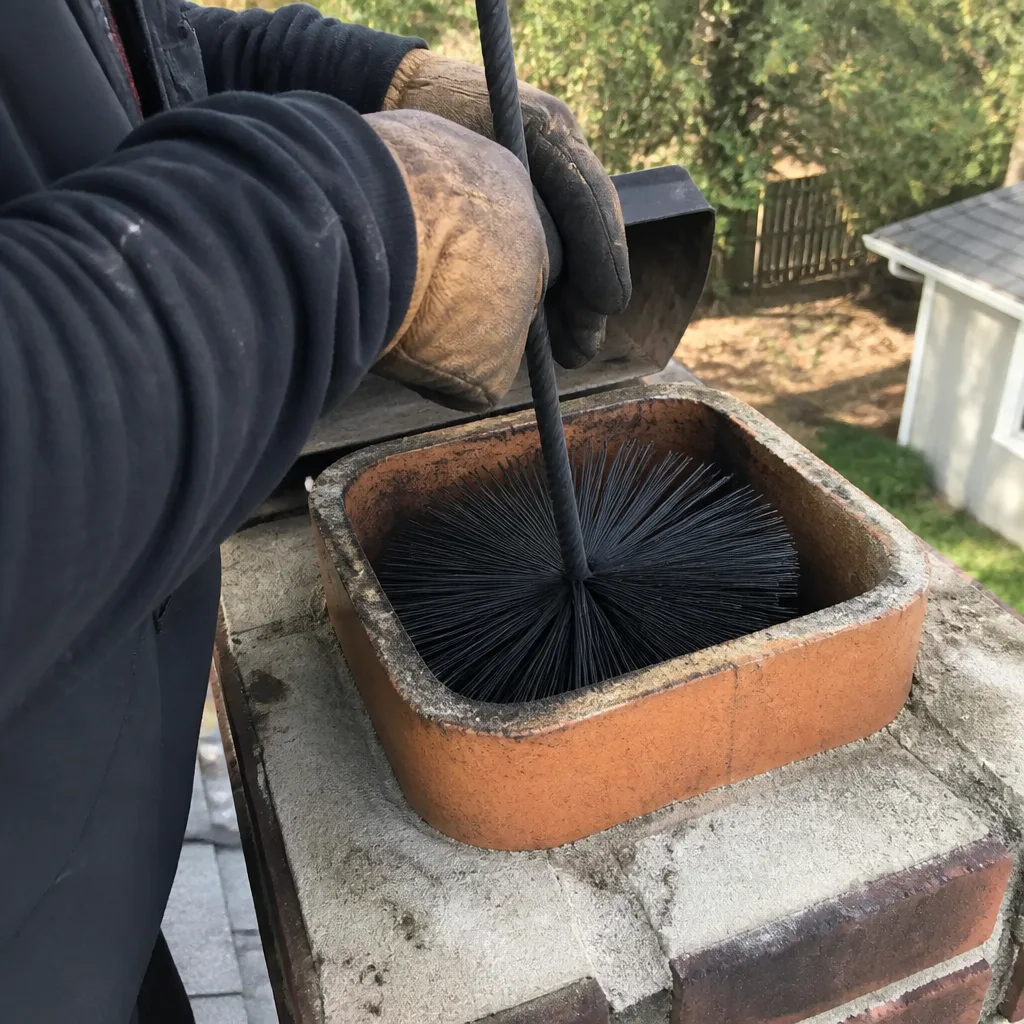
The National Fire Protection Association defines three inspection levels. Most Plano homeowners have received only Level 1, often without knowing it.
Level 1 is a visual examination of readily accessible portions of the chimney exterior and interior, without tools or damage to building materials. The technician uses a flashlight and mirror. No roof access required. No camera. No documentation standard.
Level 2 adds a camera scan of the flue interior, inspection of attics and crawl spaces where the chimney passes through, and examination of clearances from combustibles. It’s required by NFPA 211 after any change in appliance type, after chimney fire or weather damage, and upon sale or transfer of property.
Level 3 involves demolition of building materials to inspect concealed areas - reserved for suspected serious hazards that cannot be evaluated otherwise.
Here’s the critical point for Texas homeowners: Level 1 is legally insufficient after any material change to your system. If you switched from wood to gas logs, added a wood-burning insert, or purchased your home after 2015, a Level 1 certificate does not satisfy the Texas Property Code disclosure requirements or most homeowner insurance policy conditions. We’ve reviewed pre-sale inspection reports from Plano’s Preston Hollow and Lakeside areas where Level 1 documentation was rejected by title insurers, delaying closings by weeks.
Emberly Chimney Cleaners Plano performs Level 2 as our default on every visit. The camera scan takes 15-20 minutes and produces 80-120 feet of footage, depending on flue height. That footage is archived under Haven Standard Clause 4 and provided to you as a downloadable record.
Camera Scan vs. Flashlight: What Each Actually Sees
The difference between a flashlight inspection and a camera scan is not incremental. It’s categorical. We’ve compiled what each method actually detects based on our 38,000+ documented inspections.
Flashlight and mirror (Level 1) can identify:
- Major blockages visible from the firebox opening
- Damper operation and obvious rust
- Large cracks in the firebox refractory
- Soot volume (but not creosote stage)
Camera scan (Level 2) additionally reveals:
- Glazed creosote (Stage 3) - a hard, tar-like coating that ignites at 451°F and burns at 2,000°F+. Flashlight reflects off glazed surfaces; camera angle reveals the thickness and coverage percentage.
- Spalled clay flue tiles - flaking and cracking from freeze-thaw cycles, common in Plano’s rapid temperature swings. Spalling exposes the chimney structure to acidic flue gases and creates creosote pockets.
- Offset or separated flue sections - gaps where clay tiles have shifted, often from foundation movement in Plano’s expansive clay soils. These gaps leak combustion gases into wall cavities.
- Missing mortar joints - eroded pointing between tiles that allows lateral gas migration.
- Condensation staining patterns - indicating improper flue sizing for the appliance, a frequent issue when gas logs are installed in oversized wood-burning flues.
- Evidence of previous chimney fires - thermal cracking, warped metal components, and heat-discolored masonry that homeowners often don’t know occurred.
In the Kings Ridge and Parker Road Estates areas, we’ve found separated flue sections in homes built during Plano’s 1985-1995 construction boom - exactly the age when clay tile chimneys begin showing foundation-stress damage. No flashlight finds this. The camera does, and the timestamped footage becomes evidence for your insurance claim if the defect predates your ownership.
Our equipment records in 1080p with LED illumination adjustable for flue diameter. The technician narrates findings in real time; you watch on a tablet at the hearth. The file uploads to your customer portal before we pack the van.
The Plano Burn Season Timeline: When to Book and What Waiting Costs
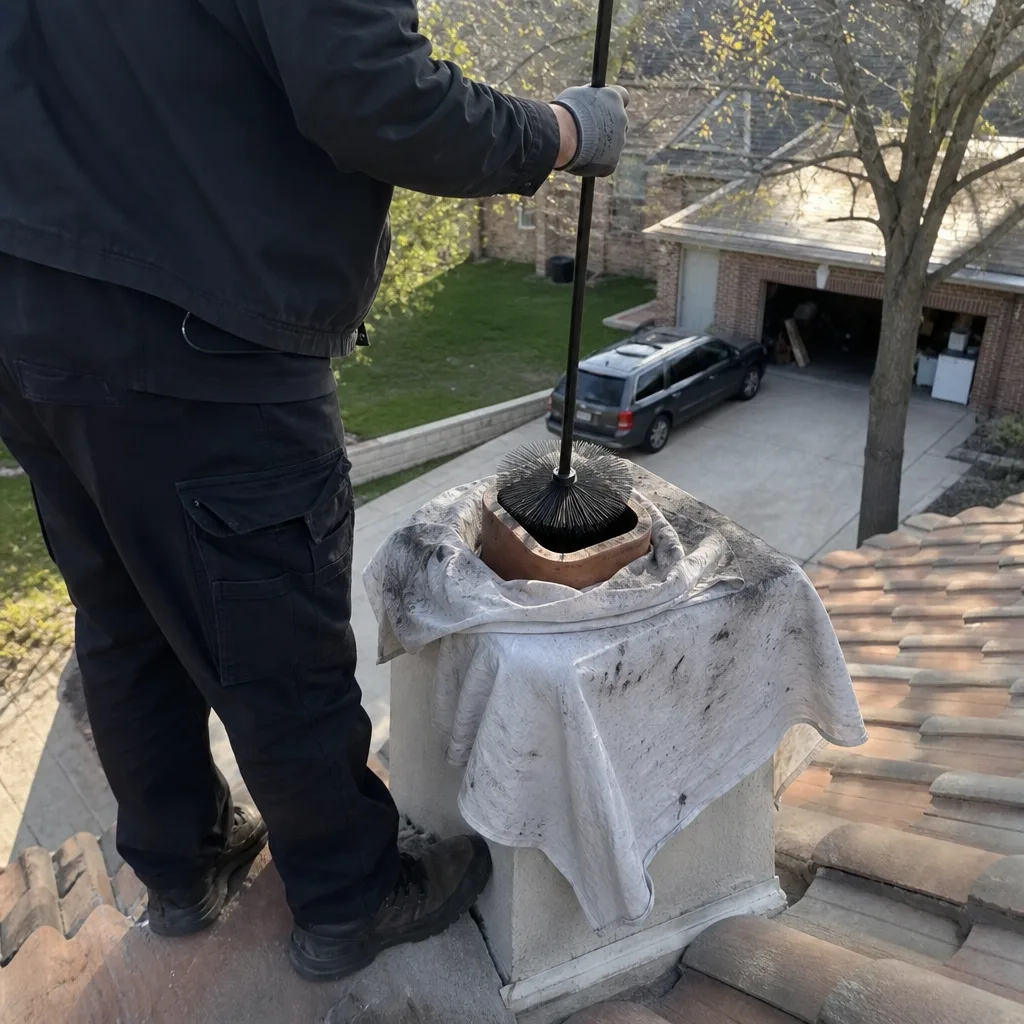
Plano’s burn season follows a predictable curve, and the cost of missing it is not just financial.
September: Early planners book. Appointment availability is wide. Pricing holds at standard rates. We begin routing crews through Legacy West and the Shops at Willow Bend corridors before residential demand peaks.
October 1-15: First cold front typically arrives. Booking windows stretch to 10-14 days. This is the optimal window for most Plano homeowners - post-summer dust settlement, pre-peak demand.
October 15-November 15: Peak season. Appointment availability compresses to 3-4 weeks. Emergency rates apply for same-week requests. We add evening and Saturday shifts, but crews are fully deployed.
November 15-February: Cold weather demand with ice-day backups. If your system fails inspection, repair scheduling competes with weather delays. We’ve seen liner installations in Plano’s Russell Creek and Whiffletree neighborhoods pushed to January because the sweep was deferred until Thanksgiving week.
March-April: Secondary booking window for gas systems and post-season wood-burning maintenance. Creosote is easier to remove before summer humidity sets in.
The practical cost of waiting: a $249 October sweep becomes a $389 November emergency call, or a $2,800-$6,500 mid-winter liner replacement when Stage 3 creosote ignites and cracks the flue. In Plano’s competitive real estate market, a deferred sweep can also cost a home sale - buyers’ inspectors increasingly request Level 2 documentation, and “unknown chimney condition” triggers price renegotiation or repair credits.
We answer live calls 24 hours a day. In October, we recommend booking your preferred date rather than accepting the first available emergency slot.
Gas Logs, Wood Inserts, and Coal: How Fuel Type Changes Everything
Plano’s housing stock spans 1970s ranch homes in central Plano to new construction in Windsong Ranch and Trinity Falls. The fuel types we encounter vary accordingly, and each demands a different cleaning protocol.
Natural gas logs (most common in post-2000 Plano homes):
Gas burns cleaner than wood but produces acidic condensation and silica deposits. The myth that gas chimneys “don’t need cleaning” has cost Plano homeowners thousands in liner corrosion. We recommend Level 2 inspection every 2-3 years, with cleaning as needed based on camera findings. In homes where gas logs were retrofitted into wood-burning fireplaces - common in Hunters Glen and Park Forest - the oversized flue causes chronic condensation that degrades clay tiles from the inside. HeatShield refractory resurfacing or a stainless liner from DuraFlex is often the correct repair, documented with before-and-after camera footage.
Wood-burning fireplaces and inserts:
Annual sweeping is non-negotiable for wood systems. The creosote accumulation rate depends on wood species, moisture content, and burn temperature. Plano homeowners burning red oak from local suppliers (properly seasoned below 20% moisture) produce less creosote than those burning pine construction scraps or “seasoned” wood that sat in Texas humidity. We test moisture content on site and note it in your record.
Wood inserts - the sealed combustion boxes popular in Plano’s 1980s-1990s homes - require specialized cleaning. The narrow flue collar and baffle system trap creosote in ways open fireplaces don’t. Our rods and brushes are sized specifically for insert flues; a standard brush forces past the baffle and damages refractory components.
Occasional coal and manufactured logs:
Coal baskets appear in historic Plano homes near downtown and Haggard Park. Coal produces sulfuric acid that attacks mortar aggressively - inspection frequency increases to every 6 months. Manufactured logs (Duraflame-style) burn at controlled rates but leave alkaline ash that hardens into flue deposits. Neither fuel should be burned in systems not specifically rated for them; we’ve documented accelerated liner failure from improper fuel substitution.
Documented Records: Why Your Insurance Carrier Cares About Your Sweep Report
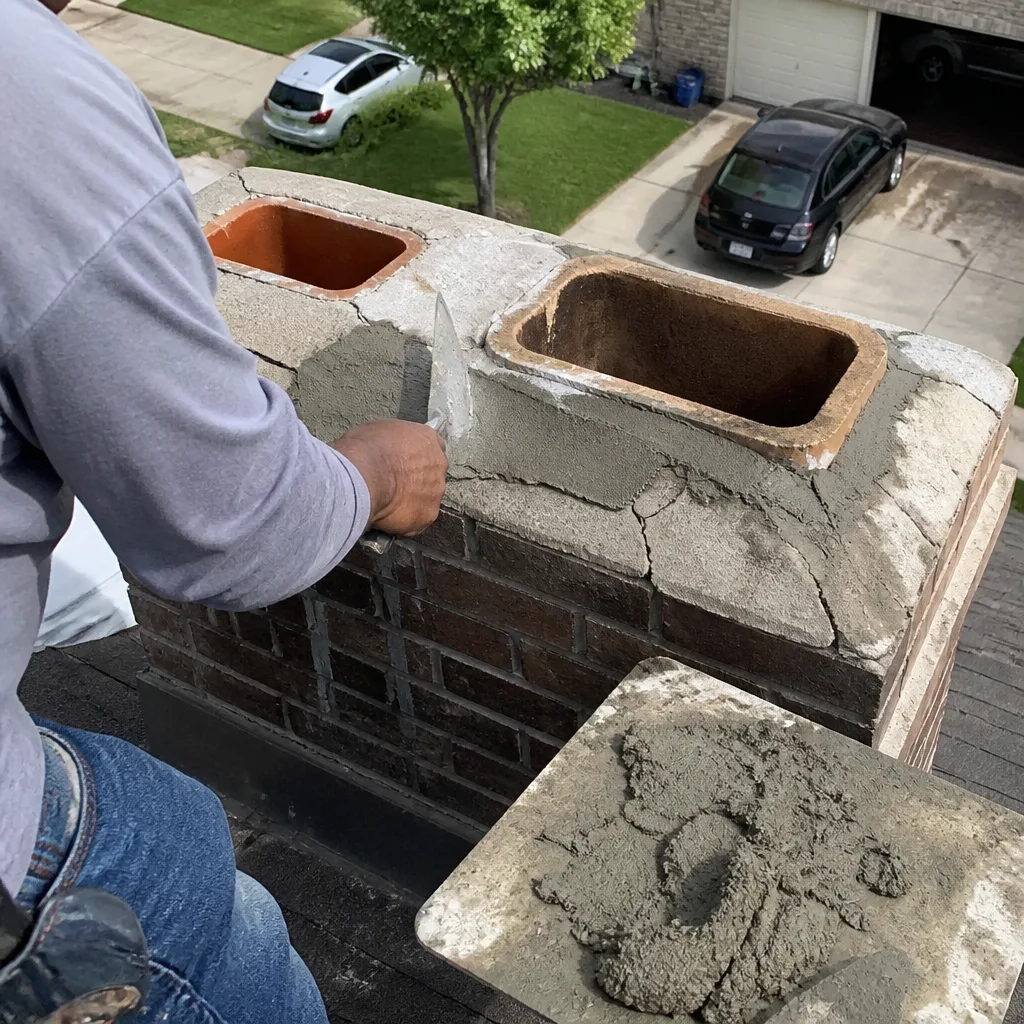
The sweep report you receive is not a receipt. It’s a condition-of-system document with legal weight that increases over time.
Homeowner insurance policies in Texas increasingly include chimney maintenance clauses. After a chimney fire or carbon monoxide incident, adjusters request:
- Date of last professional inspection
- Inspection level performed (Level 1, 2, or 3)
- Specific findings and recommendations
- Documentation method (written, photographic, video)
- Technician credentials and company license
A handwritten “cleaned and inspected” note fails every one of these requests. We’ve been called to Plano homes where claims were denied because the prior sweep produced no documented findings - no photos, no written scope, no record of what the technician actually observed.
The Haven Standard addresses this directly. Every Emberly Chimney Cleaners Plano customer receives:
- Written price before work starts (Clause 1)
- Written scope of work with technician name and license number
- Camera footage with narrated findings
- Post-completion photo record of cleaned surfaces
- Written warranty and 365-Day Done Right Promise
These records are stored indefinitely and retrievable for insurance, real estate, or warranty claims. In Plano’s active market, we’ve provided chimney condition reports for home sales five years after the original inspection - the buyer’s lender accepted the dated footage because the documentation quality exceeded current industry practice.
If you’re shopping chimney sweeps, ask specifically: “What documentation will I receive, and how do I access it in three years?” The answer reveals whether you’re buying a cleaning or a documented condition assessment. Our step-by-step guide to hiring a chimney cleaning contractor in Plano covers the essential questions to ask before you book.
What Chimney Cleaning Costs in Plano
Price transparency is central to how we operate. Below are the service ranges we quote in writing before any work begins on Plano homes. These reflect 2024-2025 market rates for licensed, insured, camera-documented service.
| Service | Typical Range | What’s Included |
|---|---|---|
| Standard chimney sweep with Level 2 inspection | $199-$289 | Flue brushing, smoke chamber cleaning, damper service, camera scan, photo record, written report |
| Heavy creosote removal (Stage 2-3) | $289-$389 | Above plus chemical treatment, mechanical removal, extended camera documentation |
| Gas fireplace service and inspection | $149-$229 | Burner cleaning, log repositioning, gas leak test, draft measurement, camera scan of flue |
| Chimney cap and crown evaluation | $0 (included with sweep) | Visual assessment, photo documentation, written repair quote if needed |
| Fireplace insert cleaning | $249-$349 | Insert removal, flue collar cleaning, baffle service, reinstallation with gasket check |
Factors that increase cost: three-story flue runs (common in Plano’s newer two-story-plus-bonus-room plans), active bird or squirrel infestation requiring live animal removal before sweep, and systems with no prior documented inspection requiring extended evaluation time.
We do not charge “diagnostic fees” or separate trip charges. The price quoted is the price charged. Our Free Second Opinion policy applies to any competitor’s written estimate - bring us their scope and price, and we’ll review it against camera findings at no charge.
Call (469) 240-3101 for exact pricing on your system. Estimates are free.
Choosing a Chimney Sweep in Plano: Red Flags and Green Lights
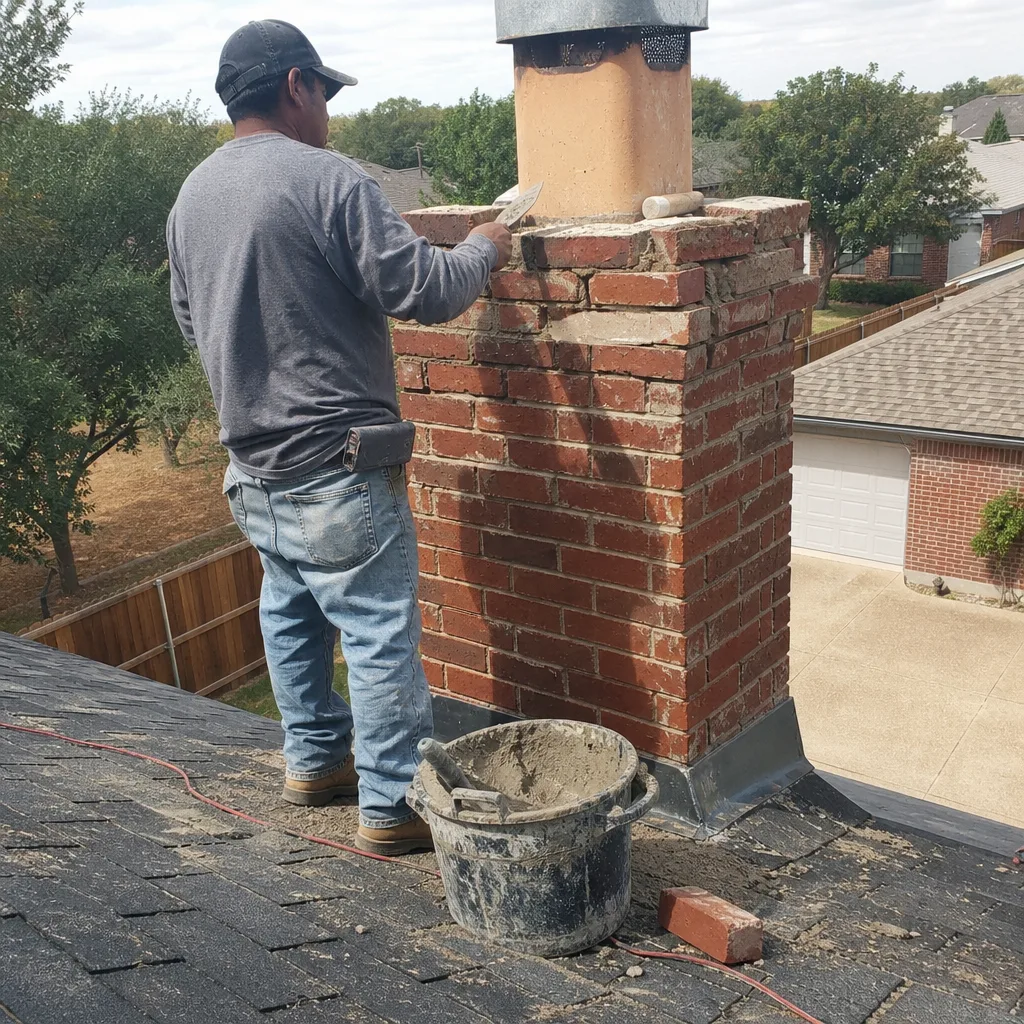
The chimney service industry in Texas requires no state-level licensing for sweep work specifically. This creates wide quality variance. Before you decide, read our DIY vs Professional Chimney Cleaning guide for Plano homeowners to understand what certified service actually involves.
Red flags:
- Quotes only after arrival, or “free inspection” that becomes a high-pressure sales call. The Haven Standard prohibits this - Clause 1 requires written price before work starts.
- No mention of inspection level. If they don’t specify Level 1 or 2, assume Level 1 and ask why.
- Brush-only service with camera as upsell. The camera is not optional safety equipment; it’s the standard of care.
- Unable to name technician who will arrive. We assign named, background-checked technicians and text you when they’re en route.
- No local address or verifiable Plano presence. Chimney service scams spike in October; verify the business exists at a local address.
- Vague material sourcing. We specify DuraFlex, HeatShield, Gelco, and other manufacturers; “chimney parts” is not an answer.
Green lights:
- Provides written scope, written price, and written warranty before scheduling or before work begins.
- Explains findings in plain language with visual evidence you can see yourself.
- Documents everything and stores records for future access.
- Offers repair alternatives with price-ranked options, not a single take-it-or-leave-it proposal.
- Has performed documented service in your Plano neighborhood and can reference local conditions (expansive soil, specific builder practices, common defects in your home’s vintage).
We’ve served Plano continuously since 2009. Our technicians know the difference between a 1987 Fox & Jacobs chimney and a 2019 Highland Homes installation. That local pattern recognition catches defects that out-of-area crews miss.
Common Mistakes to Avoid
- Assuming gas systems need no inspection. Plano’s hard water and acidic gas condensate corrode liners silently. We’ve replaced deteriorated gas flues in 12-year-old homes in Willow Bend that never had a camera scan.
- Scheduling the sweep after the first fire. The October cold snap triggers emergency calls. By then, creosote from last season is hardened and more difficult to remove completely. Book in September.
- Accepting a Level 1 inspection for a home purchase. Texas sellers can disclose “unknown” chimney condition with Level 1 documentation. Insist on Level 2 or negotiate a credit for professional evaluation.
- Burning unseasoned wood from roadside sellers. Wood with 25%+ moisture content produces twice the creosote of properly seasoned fuel. We test moisture on every Plano service call and show you the reading.
- Ignoring the smoke chamber. This is where most chimney fires start, and it’s invisible to standard inspection. Ask specifically whether your sweep includes smoke chamber cleaning and camera verification.
- Discarding documentation. Your sweep report is a warranty document and potential insurance defense. Store it with your homeowner policy records, not in the junk drawer.
- DIY creosote removal with chemical logs. These products reduce light buildup but do not remove Stage 2-3 creosote and can mask conditions that a camera would reveal. They’re a maintenance supplement, not a replacement for professional service.
When to Call a Professional
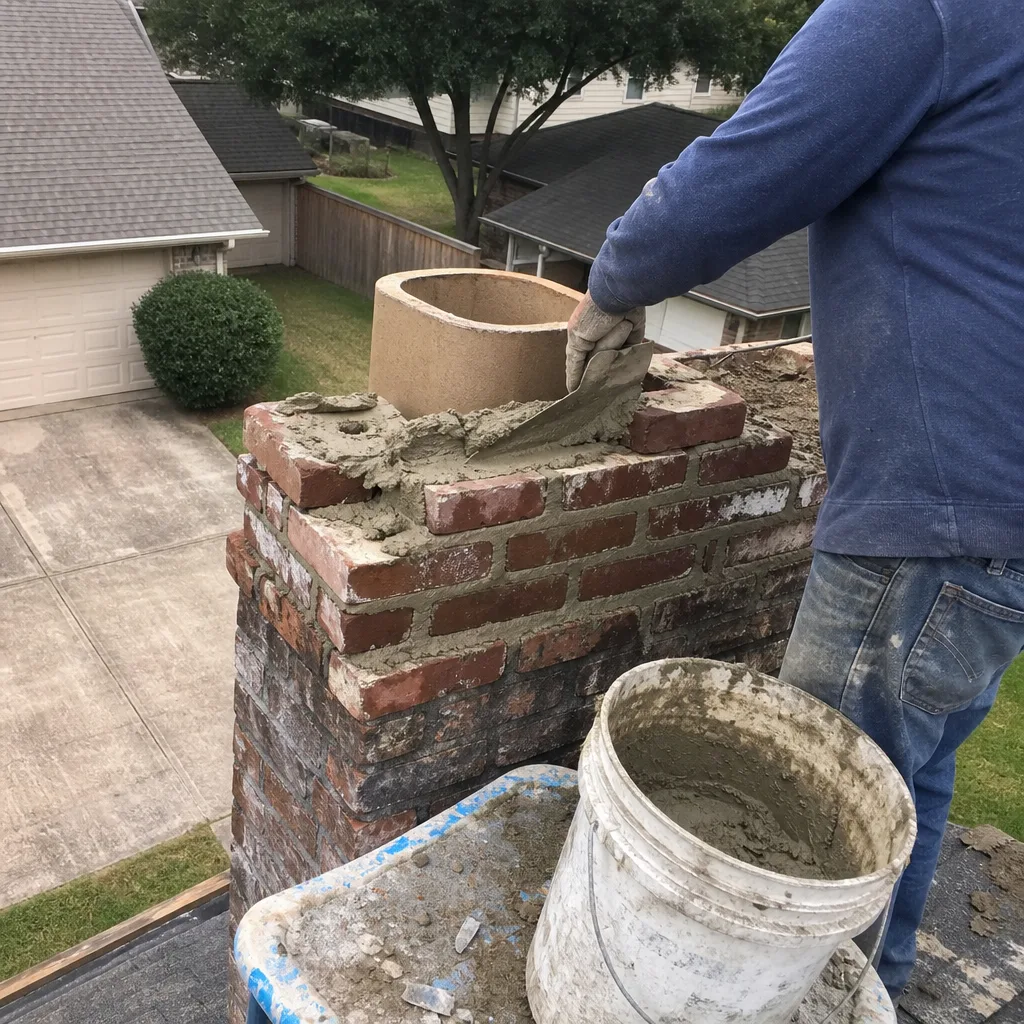
Call a chimney professional before burn season begins, after any chimney fire or unusual event (lightning strike, earthquake tremor, nearby structure fire), upon purchasing a home, and whenever you change appliance type. In Plano specifically, call if you notice draft problems on windy days - our flat terrain and sudden weather shifts expose marginal systems - or if you smell smoke in the house during operation.
Emberly Chimney Cleaners Plano offers free estimates in Plano. Call (469) 240-3101 to schedule a Level 2 inspection with written price before work starts, or bring us any competitor’s written quote for a free second opinion.
Frequently Asked Questions
A standard chimney sweep with NFPA 211 Level 2 camera inspection in Plano typically costs $199-$289, with heavy creosote removal ranging $289-$389. We provide a written price before any work begins - no exceptions. Call (469) 240-3101 for an exact quote; estimates are free.
Wood-burning systems need annual sweeping; gas systems need Level 2 inspection every 2-3 years with cleaning as camera findings indicate. Homes in Plano’s mature neighborhoods with heavy oak canopy may need more frequent cap and flue checks due to debris accumulation. We set reminder schedules based on your fuel type and burn frequency.
You should never accept a liner recommendation without camera evidence you can see yourself. At Emberly Chimney Cleaners Plano, we show you the footage, explain the defect, and note when a repair can safely wait versus when it cannot. Our Free Second Opinion policy exists specifically for this concern - bring us any competitor’s written liner quote and we’ll evaluate it against independent camera findings at no charge. Explore more guides & resources on chimney safety, maintenance schedules, and protecting your Plano home.
Skipped maintenance allows creosote accumulation, which increases chimney fire risk and can crack the flue liner. A cracked liner leaks combustion gases into wall cavities, creating carbon monoxide exposure and structural fire risk. In Plano’s competitive insurance market, a chimney fire in a system without documented maintenance can trigger claim denial or policy non-renewal. The cost of deferred maintenance typically exceeds preventive care by 10-20x.
Texas Property Code does not explicitly mandate Level 2, but it requires disclosure of known defects and permits buyers to request professional inspection. Most Plano real estate transactions now include chimney condition as a standard inspection item. Level 1 documentation is increasingly rejected by buyers’ agents and title insurers; Level 2 camera documentation prevents closing delays and price renegotiation.
A sweep is the physical cleaning process - brushing, debris removal, and surface preparation. An inspection is the evaluative process that determines whether the system is safe to operate. They are distinct procedures, though we perform both on every visit. A sweep without inspection is maintenance without diagnosis; an inspection without sweep is diagnosis without remediation. Neither is complete alone.
We do not recommend DIY chimney cleaning for Plano homeowners. Roof access on two-story homes presents fall risk; improper brush sizing damages liners; and without camera equipment, you cannot verify flue condition. For gas systems, improper reassembly creates carbon monoxide hazards. Professional service includes documented findings that protect your insurance coverage and property value - DIY work provides neither.
The Bottom Line
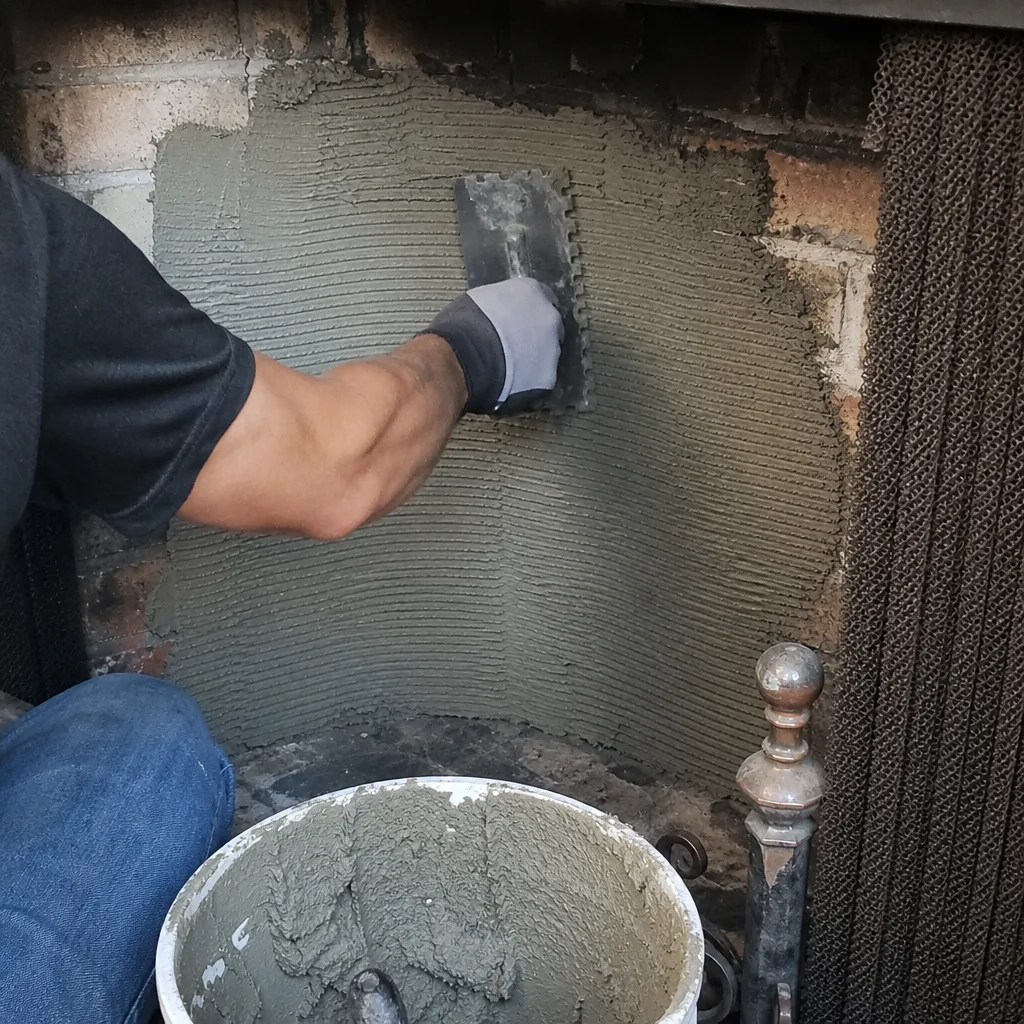
Chimney cleaning in Plano is not a commodity service. The difference between a brush-and-vacuum sweep and a camera-documented Level 2 inspection is the difference between surface cleanliness and verified safety. In a market where homes sell in days and insurance adjusters request documentation, the sweep report you receive matters as much as the cleaning itself.
Book before October. Insist on written price before work starts. Demand camera footage you can see yourself. Store your documentation. These four habits, applied consistently, eliminate the gaps that turn routine maintenance into emergency repairs.
Emberly Chimney Cleaners Plano has applied these standards since 2009, with 38,000+ documented inspections and a 365-Day Done Right Promise on every job. We’re independently owned and operated under the Haven Standard, with background-checked technicians and live phone support 24 hours a day.
Call (469) 240-3101 to schedule your Plano chimney cleaning, or learn more about our Chimney Cleaning & Sweep in Plano service. Free estimates. Written price before any work starts. Camera documentation included.
Written by Corrine Halstead, Owner at Emberly Chimney Cleaners Plano, serving Plano since 2009.