
Last updated September 22, 2026
Level 1 sweep and inspection to the NFPA 211 annual standard - flue, crown, cap, and flashing checked and photographed
Chimney sweep logs do not sweep chimneys. They loosen some creosote - which then falls where a brush and vacuum still have to collect it.
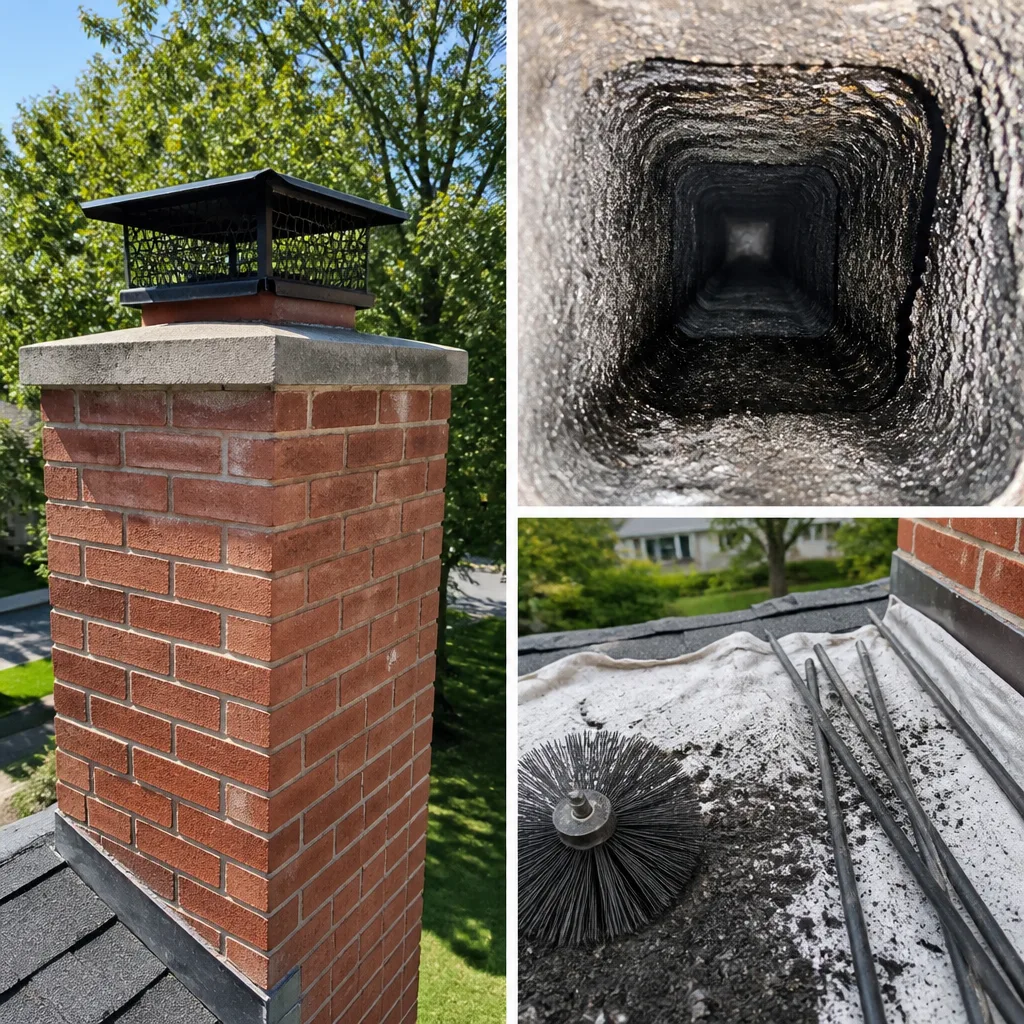
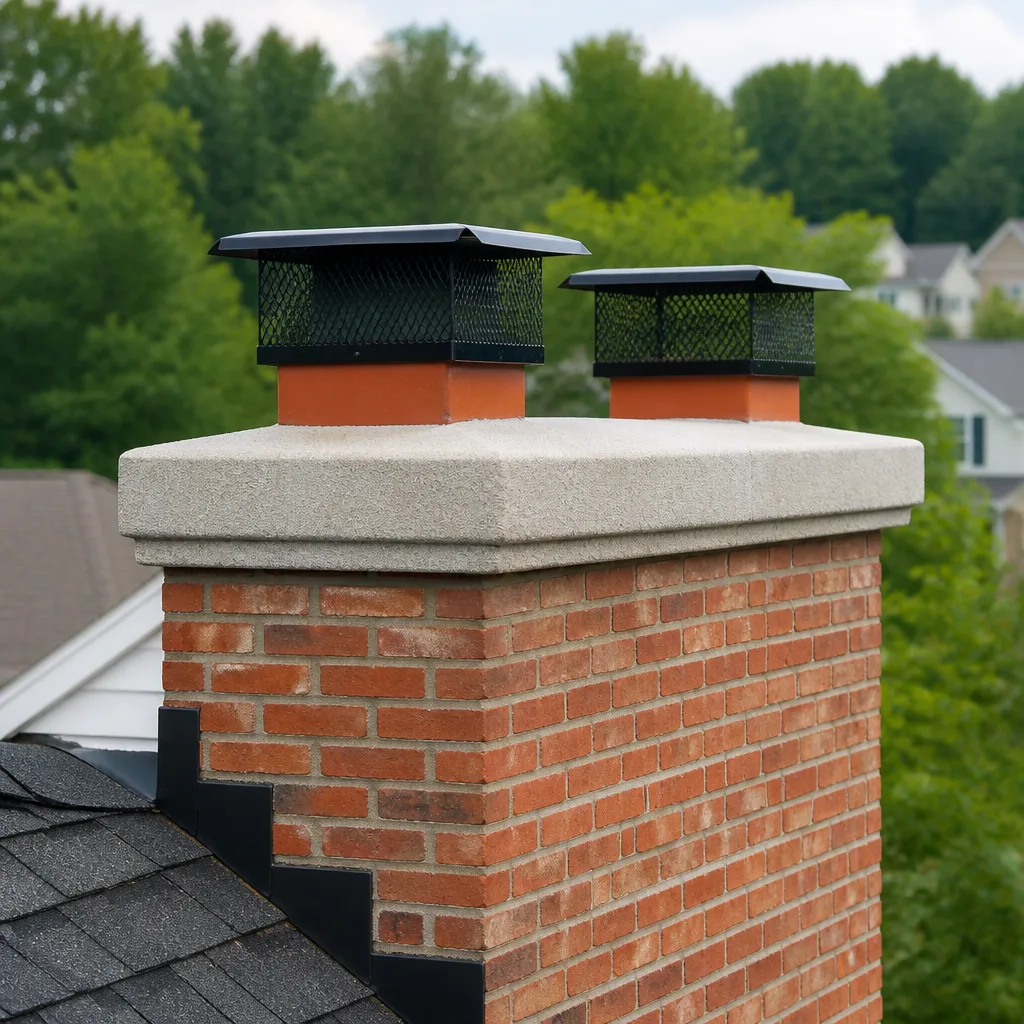
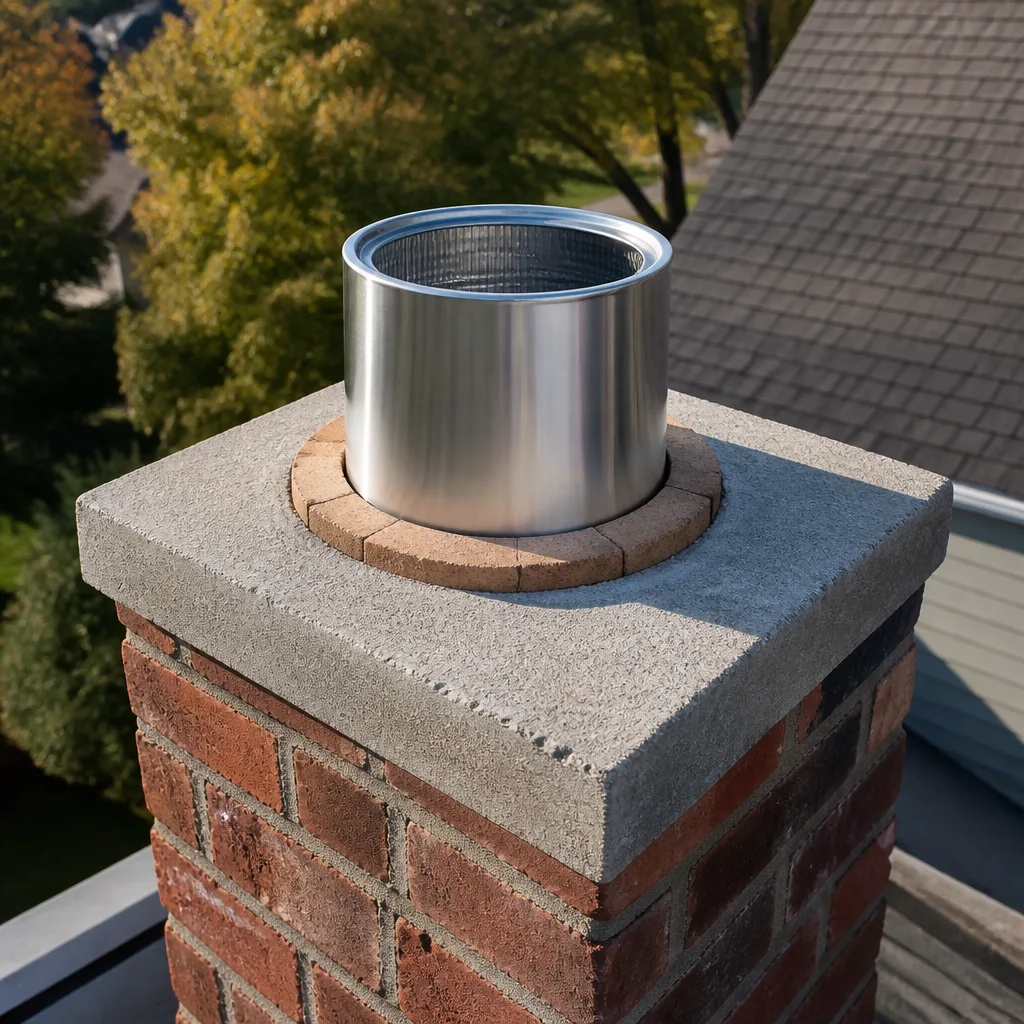
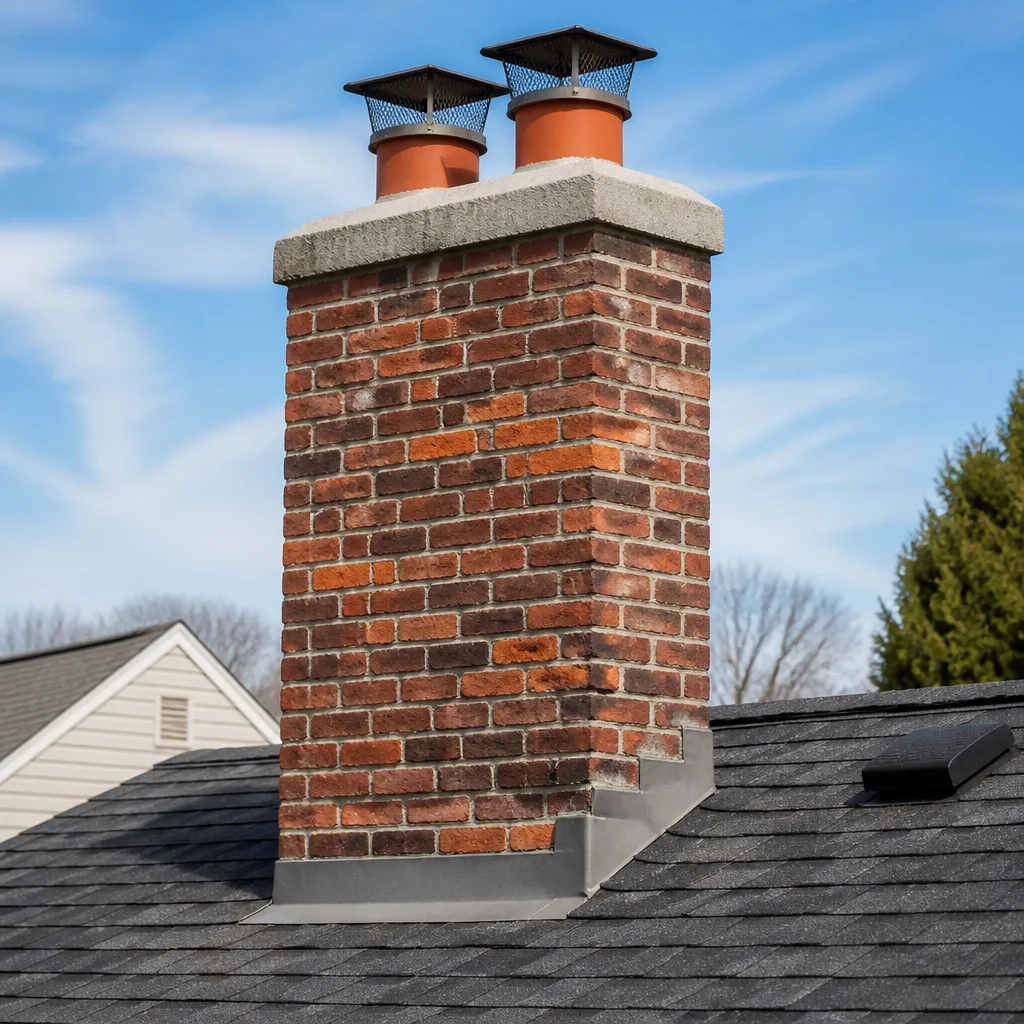
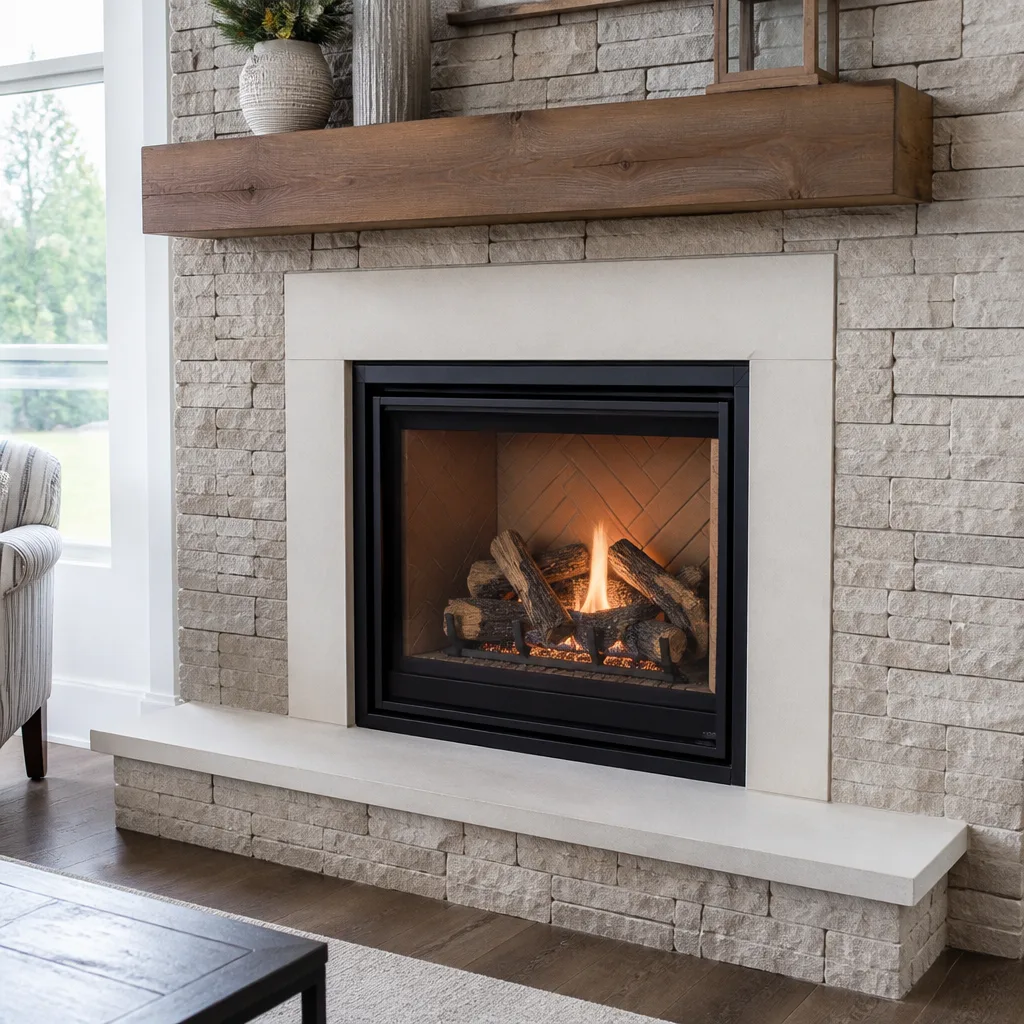
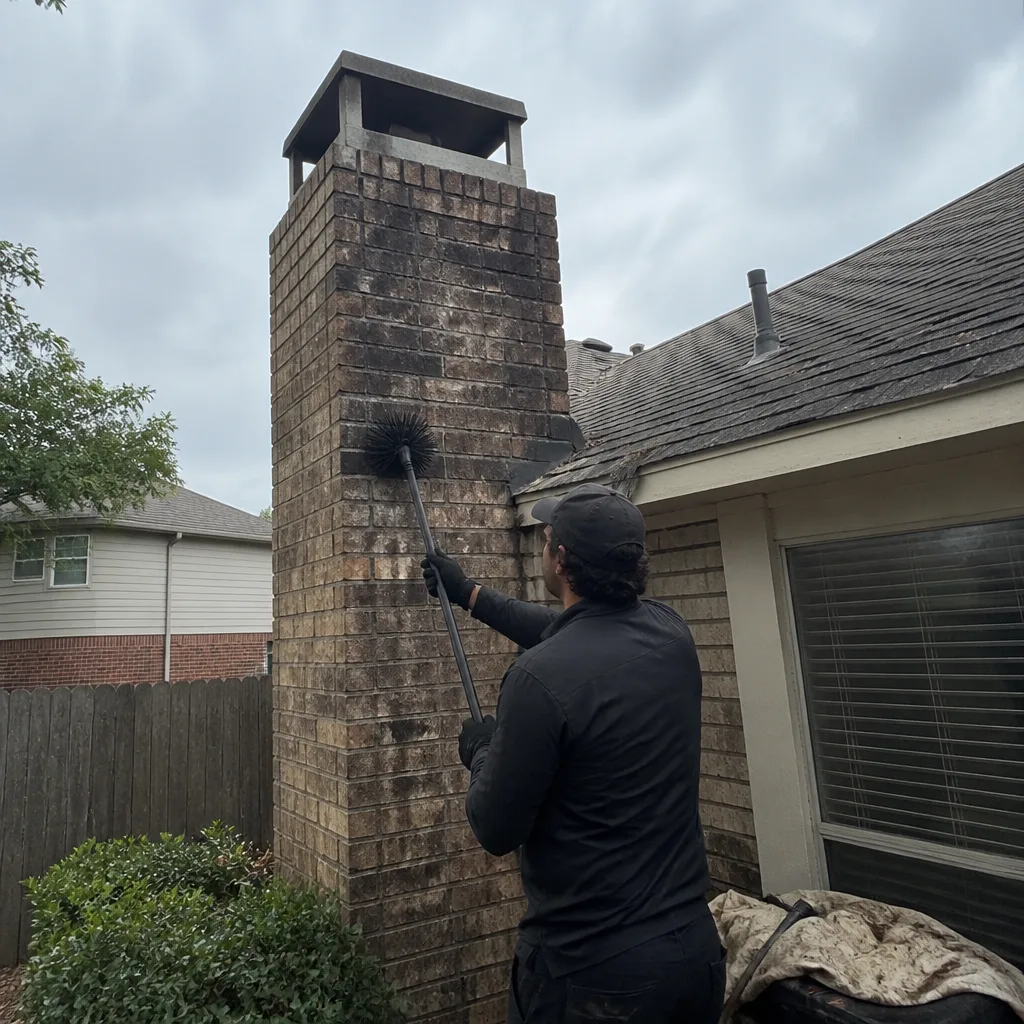 Before
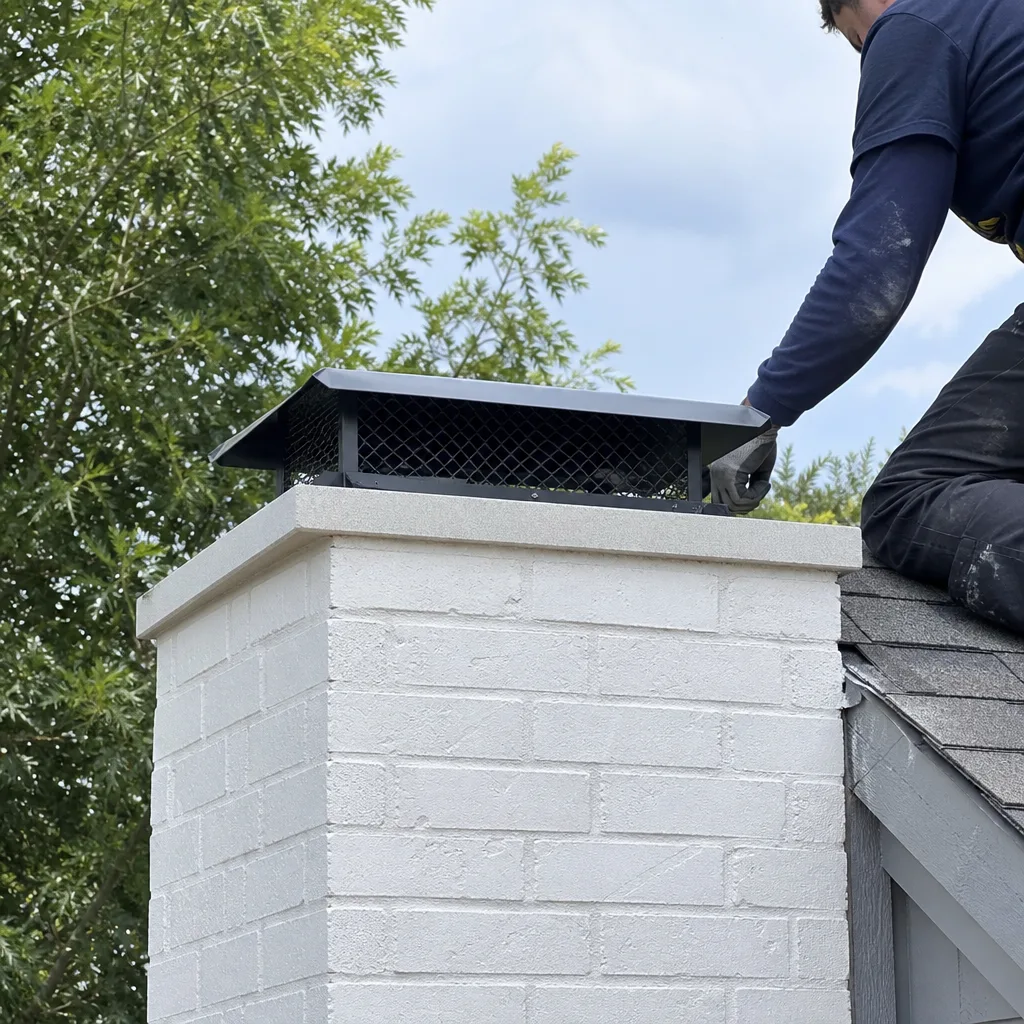 After
After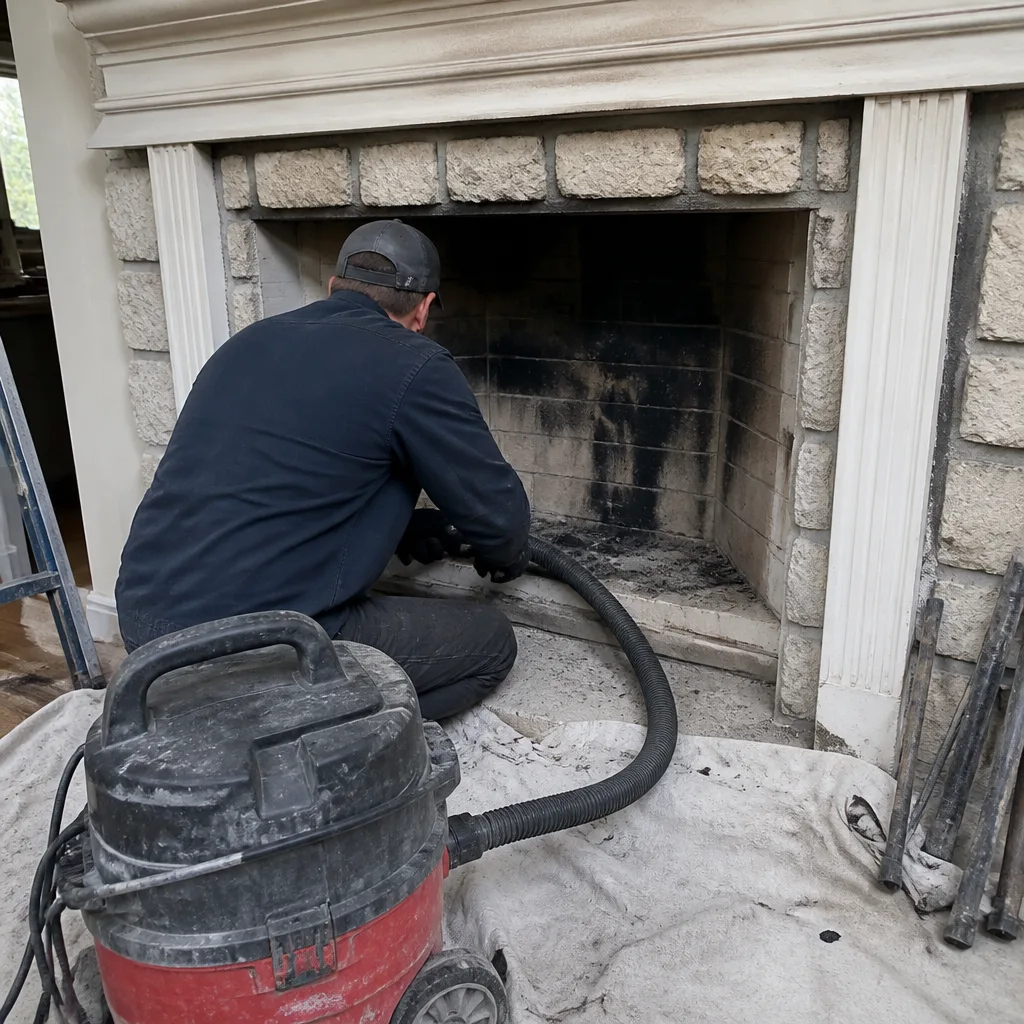 Before
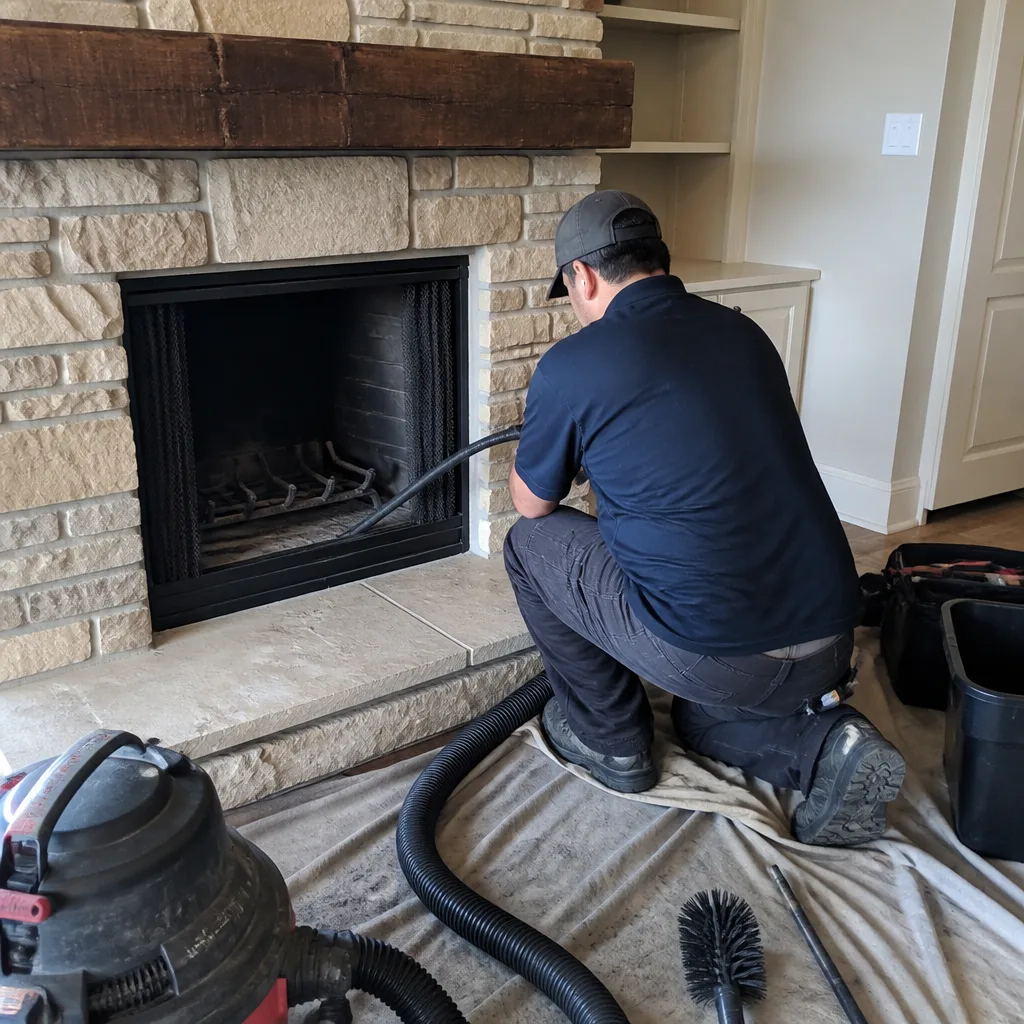 After
After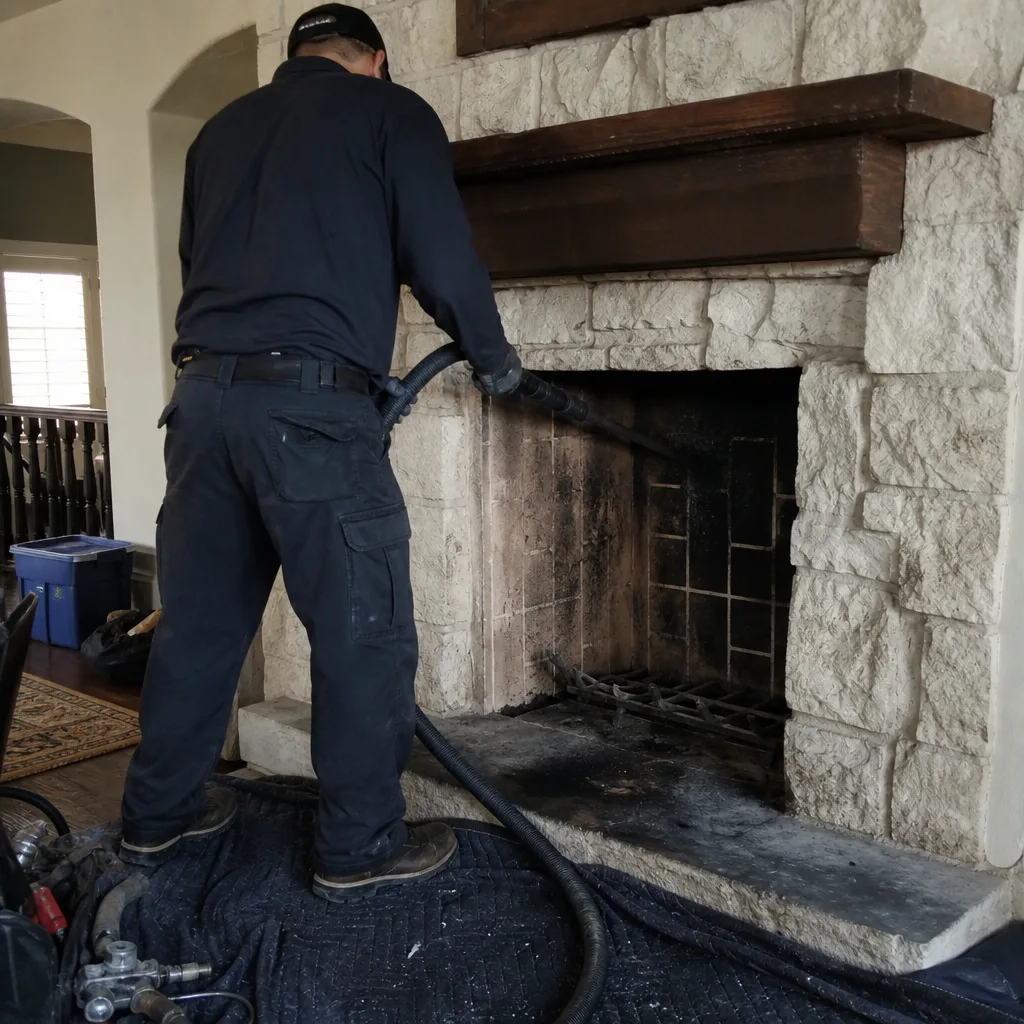 Before
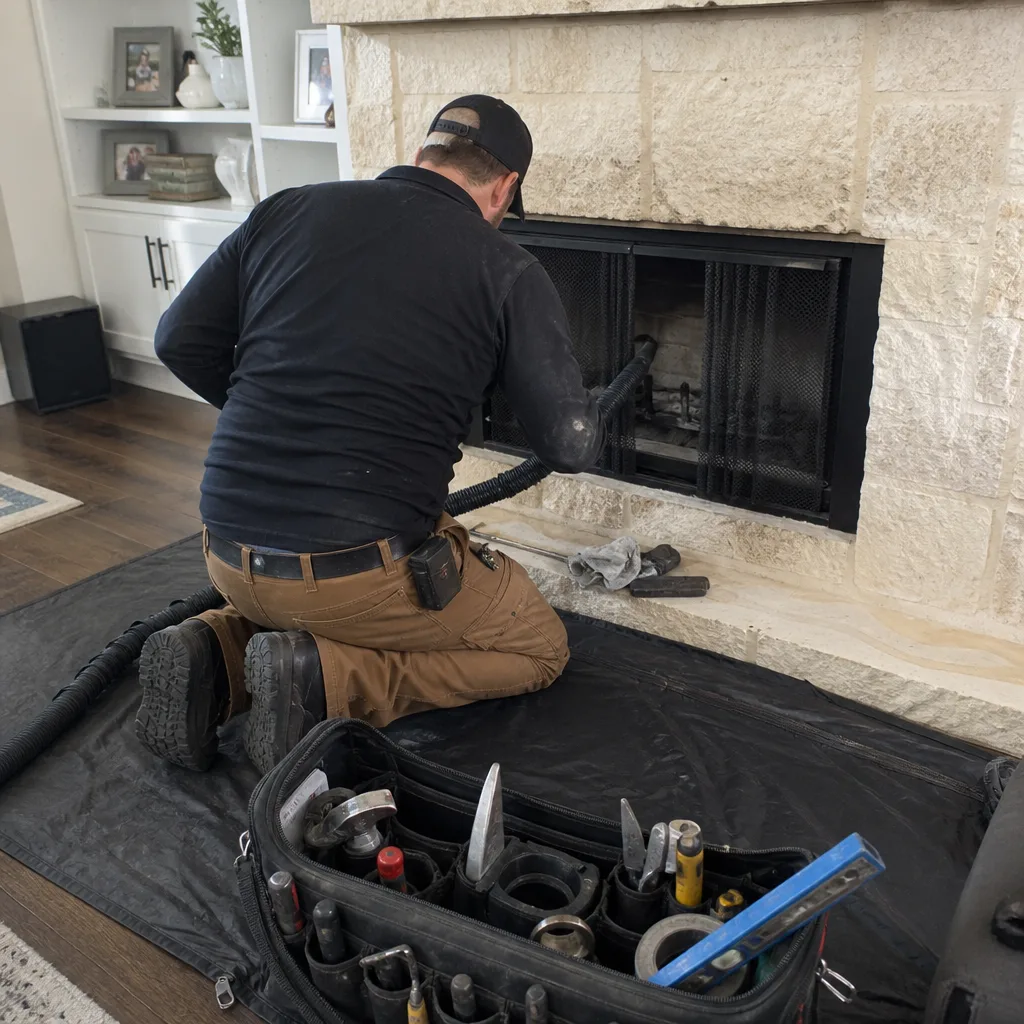 After
AfterSeasonal Chimney Cleaning Care for Plano: Year-Round Homeowner’s Guide
Plano averages only 36 nights below 40°F per year, but those nights cluster hard between November and February. That means a chimney ignored from February through October faces nine months of moisture exposure before its first heavy-use week. Most chimney guides are written for four-season climates with steady burn seasons; Plano’s compressed 90-day burn window and punishing humidity cycles demand a completely different maintenance calendar. For more guides & resources tailored to Texas homeowners, see our more guides & resources. In this guide, we’ll map the exact months when Plano homeowners should act, what North Texas humidity does to unswept creosote, why gas fireplace owners can’t skip seasonal checks, and how foundation movement from our clay soil affects your firebox.
Quick Answer
Plano homeowners should schedule chimney maintenance three times per year: a post-burn inspection in March, a moisture and exterior check in July, and a pre-season sweep in September before the October booking rush. Our Chimney Cleaning & Sweep Maintenance Checklist for Plano Homeowners breaks down each visit in detail. This schedule accounts for North Texas humidity damage to creosote deposits during the long off-season and avoids the 3-4 week wait times that begin in mid-October. Gas fireplace owners should add a pilot and thermocouple inspection before first ignition.
Table of Contents
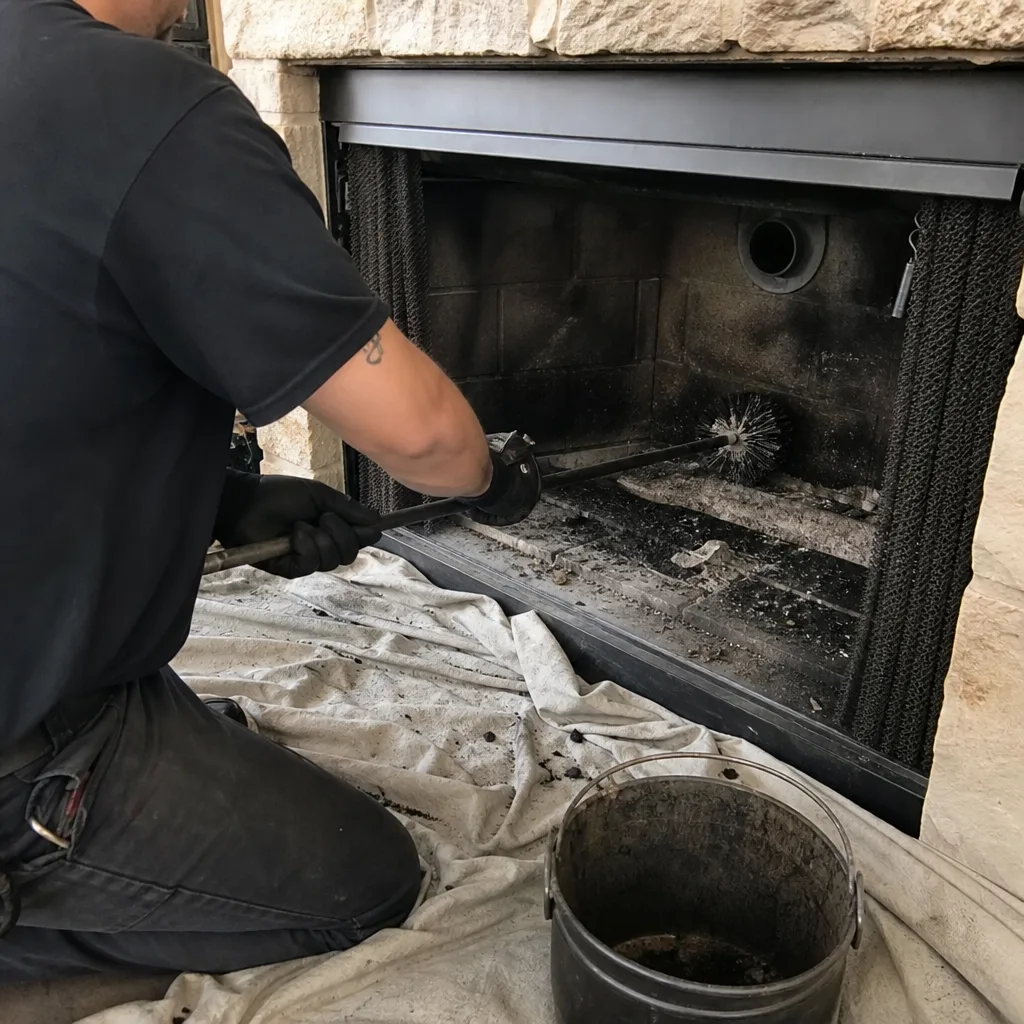
- The Plano-Specific Maintenance Calendar
- What North Texas Humidity Does to Unswept Creosote
- Gas Fireplace Owner’s Seasonal Checklist
- Exterior Seasonal Care: Plano’s Clay Soil and Foundation Movement
- The Fall Booking Reality in Plano
- What Actually Happens During a Level 2 Sweep
- Common Mistakes to Avoid
- When to Call a Professional
- Frequently Asked Questions
BeforeAfterThe Plano-Specific Maintenance Calendar
Most chimney guides assume you burn steadily from October through April. In Plano, that’s fiction. Our burn season runs roughly November through February, with occasional dips into March. The rest of the year, your chimney sits. That idleness is the problem.
We’ve built our calendar around what we actually find in Plano homes, not what a national guide suggests. Here’s the rhythm that protects your system:
March: Post-Burn Inspection
Within two weeks of your last fire. We’re looking for Class III creosote (glazed, tar-like deposits that survive a standard sweep), thermal fatigue in the flue liner, and any mortar joint opening in the smoke chamber. The chimney is still warm from use, so cracks are easier to spot before they close up in summer humidity. We document everything with a camera scan per Chimney Cleaning & Sweep in Plano protocol under Haven Standard Clause 4.
July: Moisture and Exterior Check
Mid-summer is when hidden damage reveals itself. The crown has endured thermal cycling from 100°F days and 75°F nights. Clay soil shrinkage from a dry June and July may have shifted the chimney structure. We check for spalling (surface flaking) on brick faces, crown cracks wider than 1/8 inch, and flashing separation. Inside, we run a moisture meter on the firebox walls. Readings above 17% indicate water intrusion that needs tracing before fall.
September: Pre-Season Sweep
Before the October rush. This is the appointment that books up first. We sweep the flue, inspect with camera, test damper operation, and verify cap and screen integrity. If we find liner damage or creosote buildup beyond sweeping, there’s still time to schedule repair work before first ignition. Waiting until November means choosing between burning unsafely or waiting in a cold house.
Neighborhood Variations
In Willow Bend and Kings Ridge, where homes date to the 1980s and 1990s, we see more unlined chimneys and clay flue tile degradation. In newer builds near Legacy West and Frisco’s border, direct-vent gas fireplaces dominate, but the chase covers and termination caps still need seasonal inspection for wasp nests and wind damage from spring storms.
What North Texas Humidity Does to Unswept Creosote
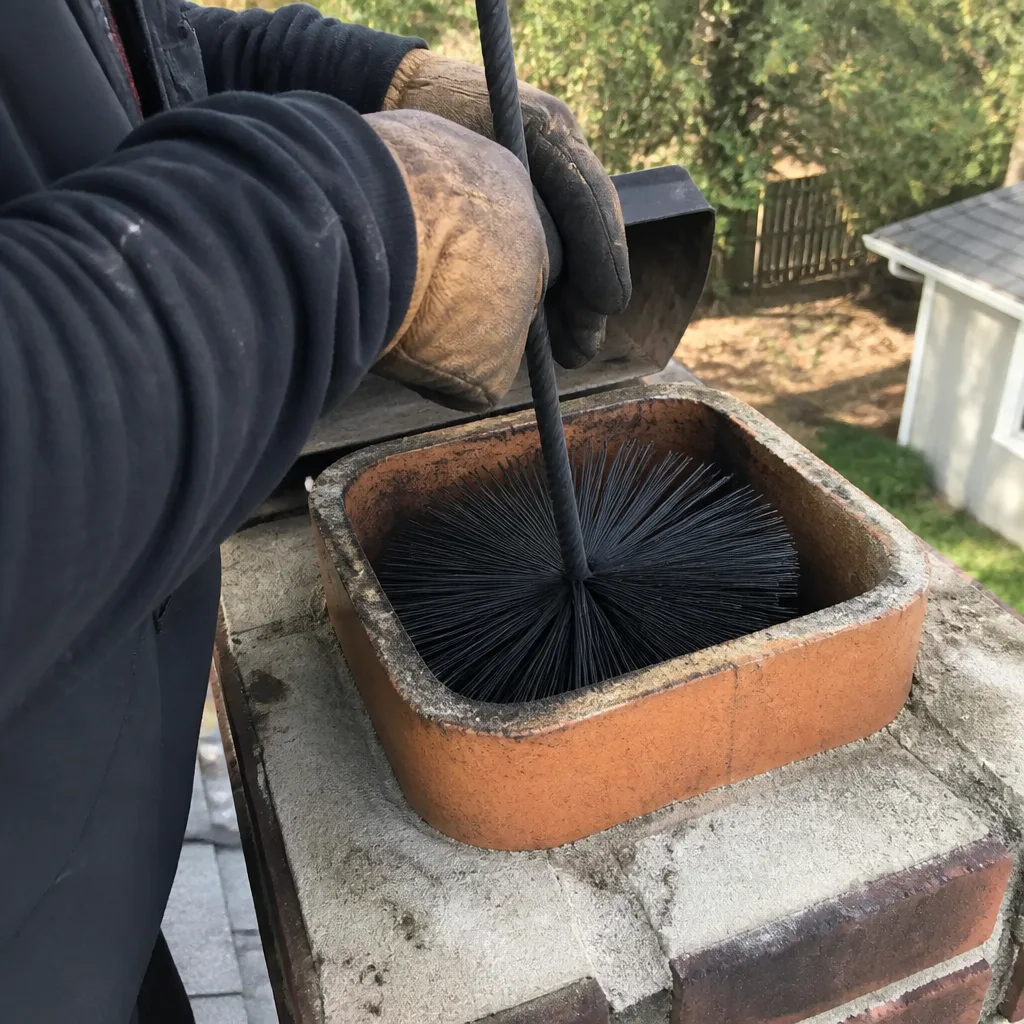
This is the point most competitors miss entirely, and it’s why a “sweep once a year in fall” strategy fails in Plano.
Creosote has three classes. Class I is flaky soot, easily swept. Class II is crunchy chips. Class III is glazed, hardened, and requires mechanical removal. What few guides mention is that Class II and III creosote are hygroscopic: they absorb atmospheric moisture.
Plano’s average relative humidity runs 65-75% from May through October, with July and August pushing 80%. When humidity penetrates unswept creosote, several things happen:
- The deposit swells, accelerating flue liner corrosion from acidic condensation
- The creosote becomes more adhesive, making fall sweeping harder and less complete
- Trapped moisture promotes metal flue liner rust and stainless steel pitting
- Organic compounds in the deposit break down, producing acidic runoff that stains the smoke chamber and firebox
In our experience inspecting Plano chimneys, the worst cases come from homeowners who burned heavily one winter, skipped the spring inspection, and called us the following October. The creosote we find has been marinating in humidity for nine months. Removal takes 2-3 times longer, and the liner often shows corrosion that a March inspection would have caught before it spread.
We’ve documented this pattern repeatedly in Plano’s older neighborhoods, where original clay flue tiles are already approaching end of service life. The combination of hygroscopic creosote and porous tile creates a feedback loop: moisture enters, freeze-thaw micro-cycles from winter use expand cracks, more moisture enters. By year three of this cycle, partial or full relining with a stainless steel or DuraFlex liner is typically necessary.
Gas Fireplace Owner’s Seasonal Checklist
About 60% of Plano homes we service have gas fireplaces or gas log sets in wood-burning fireboxes. These owners often assume “no wood, no sweep, no problem.” That’s incorrect. Gas combustion produces water vapor, carbon monoxide, and corrosive condensate. The seasonal checklist is different, but it’s not optional.
Here’s what we inspect each season:
- Pilot assembly condition. The pilot orifice collects dust, pet hair, and spider silk during Plano’s long warm season. A restricted pilot causes delayed ignition, rollout, or failure to light on that first cold November evening.
- Thermocouple and thermopile output. These safety devices degrade predictably with thermal cycling. We measure millivolt output; below manufacturer spec, replacement is cheaper than an emergency call on a 38°F night.
- Burner pan and media. Ceramic fiber logs shed particles. Sand and ember material compact. Vermiculite breaks down. This debris blocks burner ports, causing yellow tipping flames and sooting that deposits on the glass and, in vented units, in the flue.
- Glass gasket and latch integrity. A leaking seal on a direct-vent unit draws room air into the combustion chamber, dropping efficiency and potentially triggering CO spillage if the vent terminal is obstructed.
- Chase cover and termination cap. Plano’s spring storm season deposits leaves, hail-dents chase covers, and wind-driven rain enters through separated seams. We see this constantly in Fireplace Services in Plano calls after the first September cold front.
- Carbon monoxide detector function. Not technically part of the fireplace, but we test nearby detectors as standard practice. It’s a 30-second check that has caught failing units in Plano homes annually.
Gas fireplace maintenance in Plano typically runs $150-$250 for a seasonal inspection and burner service. If we find a failing thermocouple or deteriorated ember bed, we quote replacement in writing before any work, per Haven Standard Clause 1. Materials come through our Olympia Chimney and Famco supply network.
Exterior Seasonal Care: Plano’s Clay Soil and Foundation Movement
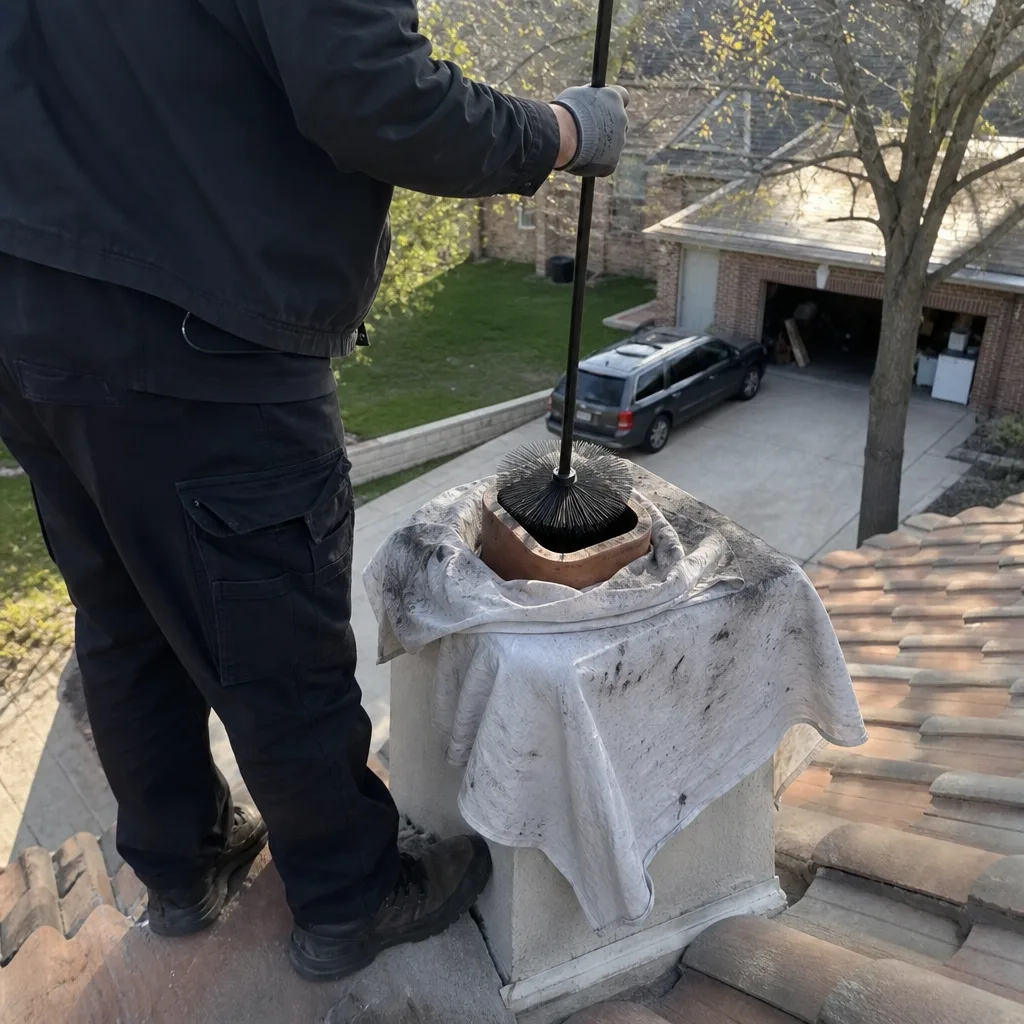
Plano sits on the Blackland Prairie, with expansive clay soil that swells when wet and shrinks when dry. This isn’t abstract geology. It directly affects your chimney.
A masonry chimney is a rigid structure. Your house foundation moves with soil moisture. When those movements don’t match, stress concentrates at the chimney-to-house connection and within the firebox and smoke chamber. We’ve inspected Plano chimneys where seasonal foundation movement has opened mortar joints wide enough to pass a pencil, creating direct pathways for smoke and CO into wall cavities.
Here’s what to watch seasonally:
- After a dry summer (August-September): Check for new gaps between the chimney shoulder and siding, or between the chimney crown and flue tile. Soil shrinkage pulls the chimney away from the structure.
- After heavy spring rains (April-May): Look for fresh stair-step cracks in the brick face, especially on the side opposite the house. Soil swelling pushes the chimney outward.
- Year-round: Verify the cricket (the peaked flashing behind a wide chimney) diverts water correctly. Plano’s wind-driven rain hits from the southeast; a poorly designed cricket floods the chimney base.
- Annual: Confirm the crown slopes away from the flue tile and overhangs the brick by at least 2 inches. A flat crown pools water, and Plano’s intense summer UV degradates concrete crowns in 7-10 years without maintenance.
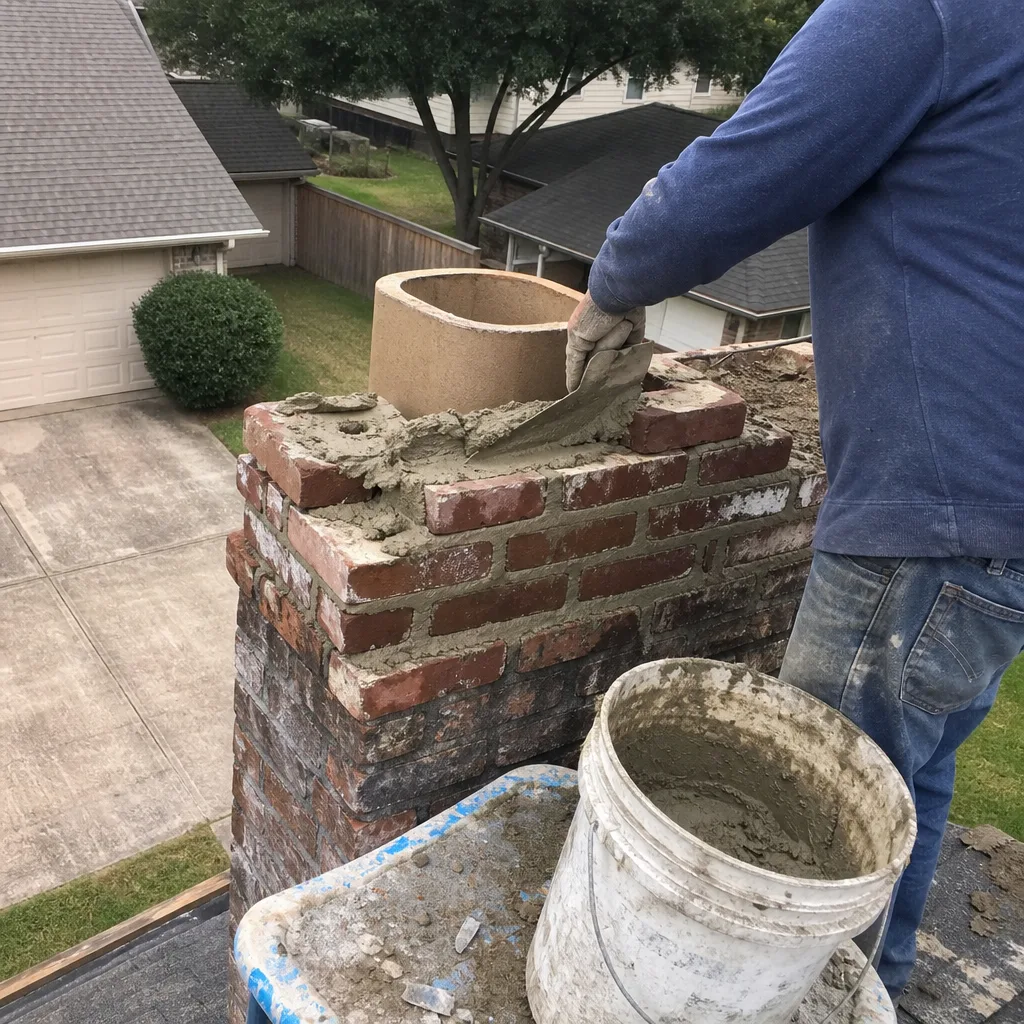
We document crown condition, flashing integrity, and visible crack patterns on every exterior inspection. If foundation movement has compromised the smoke chamber or firebox, Chimney Repair in Plano options range from smoke chamber parging to partial rebuild, always quoted in writing with photo evidence from the camera scan.
Homes in Plano’s older core, near downtown and east of Central Expressway, show this pattern most acutely. Many were built in the 1970s and 1980s before current chimney codes, with shallow footings that move more than modern standards allow.
The Fall Booking Reality in Plano
This section exists because we want you to make an informed decision about timing, not because we’re creating artificial scarcity. The numbers are what they are.
Level 2 chimney sweeps in Plano are typically booked 3-4 weeks out by mid-October. Every year. The pattern is so consistent we could set a watch by it. First cold front in late September triggers a wave of calls. By October 15, we’re scheduling into November. First freeze, and the wait extends to early December.
Here’s what this means in practical terms:
| Appointment Timing | Typical Wait | Cost Implications |
|---|---|---|
| September (pre-season) | 3-7 days | Standard rate; full selection of appointment times |
| Mid-October | 3-4 weeks | Standard rate; limited time slots |
| Post-first-freeze (November) | 4-6 weeks | Standard rate; emergency premium if available |
| Same-week emergency | 24-48 hours if available | Typically 1.5-2x standard rate; limited to safety-critical issues |
The emergency premium isn’t price gouging. It’s the cost of pulling a technician off scheduled work, paying overtime, and disrupting the queue for homeowners who planned ahead. We reserve same-week slots for documented safety hazards: active water leaks, visible flue obstruction, or CO detector activation with suspected chimney source.
Our recommendation, grounded in 38,000+ inspections since 2009: book your September sweep before Labor Day. You’ll get your preferred time, avoid the premium, and have runway for any repair work we find. If the inspection is clean, you’re set for the season. If we find liner damage, crown deterioration, or creosote requiring mechanical removal, there’s still October to complete repairs before consistent cold arrives.
We answer calls live 24/7, but “we can answer” and “we can arrive this week” are different things in October. Plan for the calendar Plano actually has, not the one you wish for.
What Actually Happens During a Level 2 Sweep
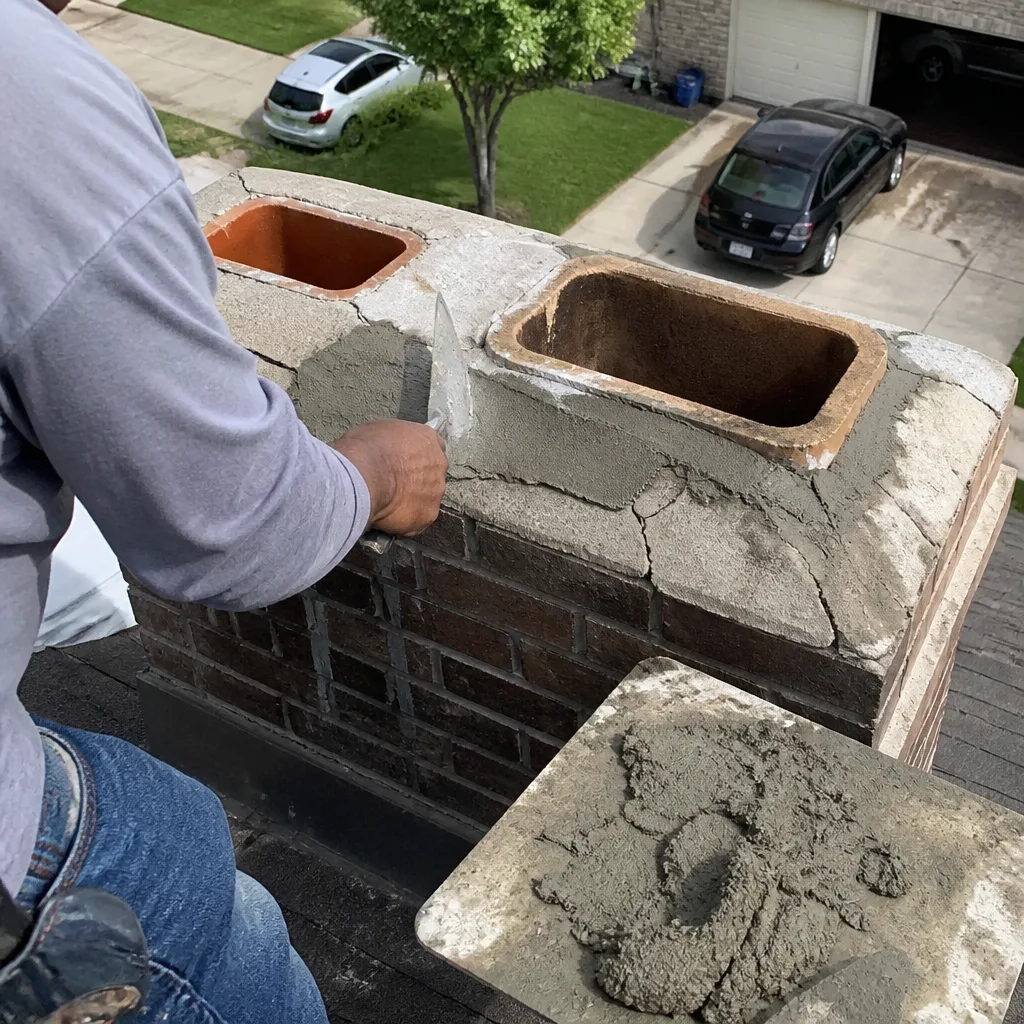
Homeowners often ask what they’re paying for. Here’s the exact sequence, start to finish, on a standard Emberly Chimney Cleaners Plano visit:
- Arrival and setup. Background-checked, uniformed technician, license number visible, text sent when en route. Floor protection laid from entry to fireplace. Drop cloths cover the work area.
- Exterior inspection. Crown, cap, flashing, brick condition, visible crack patterns documented with photos.
- Interior visual. Firebox walls, damper assembly, smoke chamber, and hearth condition assessed.
- Camera scan. Chimney-scan camera inserted the full length of the flue. Real-time video viewed by technician; recording archived per Haven Standard Clause 4. We look for liner gaps, tile displacement, mortar loss, creosote classification, and obstruction.
- Sweeping. Rotary or manual sweep tools matched to flue type and creosote class. Debris contained and removed. HEPA vacuum for fine particulate.
- Post-sweep camera verification. Second camera pass confirms complete removal and documents final condition.
- Written findings and pricing. Any recommended repairs, with written scope, written price, and written warranty, delivered before technician departs. No work begins without signed approval.
- Documentation delivery. Photo record, camera footage, and inspection report provided to homeowner. Archive maintained by Emberly for future reference.
This process takes 60-90 minutes for a standard fireplace chimney. Factory-built metal chimneys and multi-flue systems run longer. The camera scan is non-negotiable; it’s been our default since 2009, years before NFPA 211 made Level 2 documentation standard practice.
What you walk away with: dated photo record, camera footage, written condition assessment, and if work was performed, a written warranty under our 365-Day Done Right Promise. If we recommend repairs, you also receive a competitor’s written estimate for our Free Second Opinion service.
Common Mistakes to Avoid
- Sweeping only in fall, after the first cold snap. By then, Plano’s humidity has already degraded any remaining creosote. You’re sweeping damaged deposits from a system that’s been deteriorating since March.
- Assuming gas fireplaces need no seasonal attention. Pilot orifices clog. Thermocouples weaken. Chase covers leak. These failures don’t care that there’s no wood involved.
- Ignoring the exterior until water stains appear inside. By the time you see interior damage in a Plano home, the crown has likely been compromised for two or more seasons. Clay soil movement accelerates the progression.
- Booking based on “I’ll know when it’s cold.” Plano’s first freeze is unpredictable. November 2018 hit 22°F on the 13th. November 2022 didn’t freeze until December. Waiting for weather guarantees you’ll be in the October booking queue or paying emergency rates.
- Accepting a sweep without camera documentation. A flashlight look cannot verify flue liner condition below the smoke chamber. We still encounter competitors in Plano offering “inspections” that never descend the flue. Demand the camera; it’s your only proof of what was actually found.
- Deferring repairs because “it worked fine last winter.” Chimney failures are progressive. A hairline liner crack in March becomes a spalled tile and potential CO hazard by January. The cost difference between March repair and January emergency rebuild is typically 3-4x.
When to Call a Professional
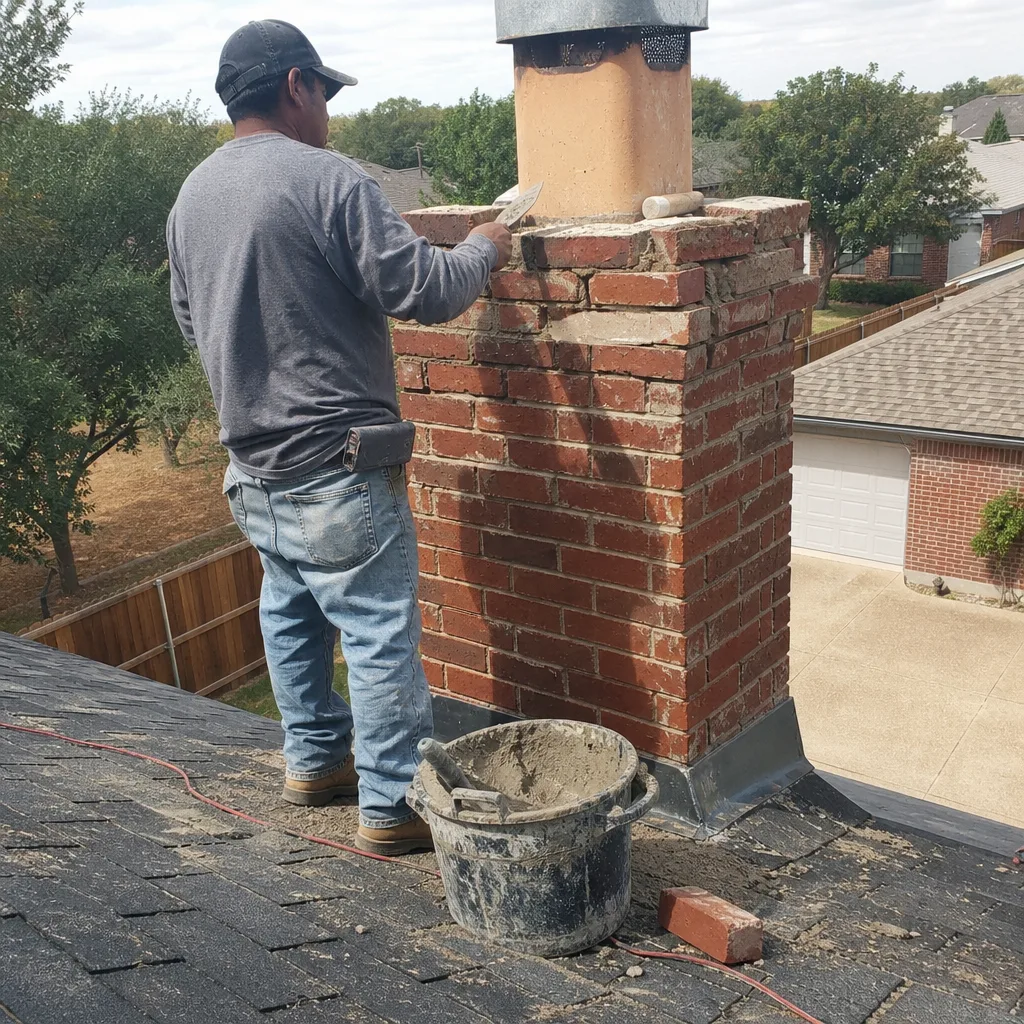
Call before the situation becomes urgent. Specific triggers: visible cracks in the firebox or smoke chamber, white efflorescence on exterior brick (indicating water saturation), a damper that won’t fully open or close, smoke spillage into the room during use, or any CO detector activation with suspected chimney source. Gas fireplace owners should call if the pilot won’t stay lit, the burner shows yellow tipping flames, or there’s a sulfur or rotten-egg odor near the fireplace.
Emberly Chimney Cleaners Plano offers free estimates in Plano. We’ll inspect, document with camera, and deliver a written price before any work begins. Call (469) 240-3101 to schedule. If you have a competitor’s written estimate, our Free Second Opinion service applies.
Frequently Asked Questions
A Level 2 chimney sweep with camera inspection in Plano typically costs $225-$325 for a standard single-flue masonry fireplace. For a deeper dive into pricing variables, read our Chimney Cleaning Cost Breakdown: The Plano Homeowner’s Reference for 2026. Factory-built metal chimneys, multi-flue systems, and mechanical creosote removal run higher. We deliver a written price before any work starts, with no hidden fees. Call (469) 240-3101 for an exact quote - estimates are free.
NFPA 211 recommends annual inspection for all chimneys, and sweeping when creosote exceeds 1/8 inch. In Plano’s climate, we recommend a post-burn inspection in March and a pre-season sweep in September for wood-burning systems, even if the flue appears clean. The nine-month humidity exposure between burns creates conditions that annual-only service misses. Gas systems should be inspected annually before first ignition.
Not unless camera evidence shows failure. We recommend liner replacement only for documented cracks, gaps, or deterioration visible on camera scan, accompanied by photos you can review. In Plano’s clay soil environment, we see accelerated liner degradation in homes built before 1990, but each case is evaluated individually. Nothing is sold without visual proof under Haven Standard Clause 4.
Accumulated creosote increases chimney fire risk, though Plano’s short burn season moderates this compared to northern climates. More commonly, we find moisture-damaged liners, CO leakage through cracked flue tiles, and blocked flues from animal nesting or debris. The cost of deferred maintenance typically exceeds proactive care by a factor of three within five years. Call (469) 240-3101 to schedule before problems compound.
We don’t recommend it. The flue liner inspection requires specialized camera equipment to assess condition below the smoke chamber, where most damage occurs. DIY sweeping without camera verification leaves hidden hazards undetected. Additionally, Class III creosote removal requires mechanical tools that risk liner damage in untrained hands. For safety-critical systems, professional evaluation is the appropriate standard.
Plano’s compressed burn season concentrates demand into a six-week window. Most homeowners delay until weather forces the issue, creating a predictable bottleneck. Our 38,000+ inspections since 2009 confirm this pattern annually. The solution is September scheduling, which we recommend booking before Labor Day to avoid wait times and emergency premiums.
The Bottom Line
Plano’s chimney maintenance isn’t about following a generic annual calendar. It’s about responding to a specific climate pattern: nine months of humidity exposure, a 90-day burn season, expansive clay soil, and a predictable October booking crush. The homeowners who protect their systems sweep in September, inspect in March, and check exteriors in July. They demand camera documentation, written prices before work, and proof of what was found. That’s the standard Emberly Chimney Cleaners Plano has operated under since 2009, and it’s the standard that protects Plano homes year after year.
Written by Corrine Halstead, Owner at Emberly Chimney Cleaners Plano, serving Plano since 2009.