
Last updated September 22, 2026
Level 1 sweep and inspection to the NFPA 211 annual standard - flue, crown, cap, and flashing checked and photographed
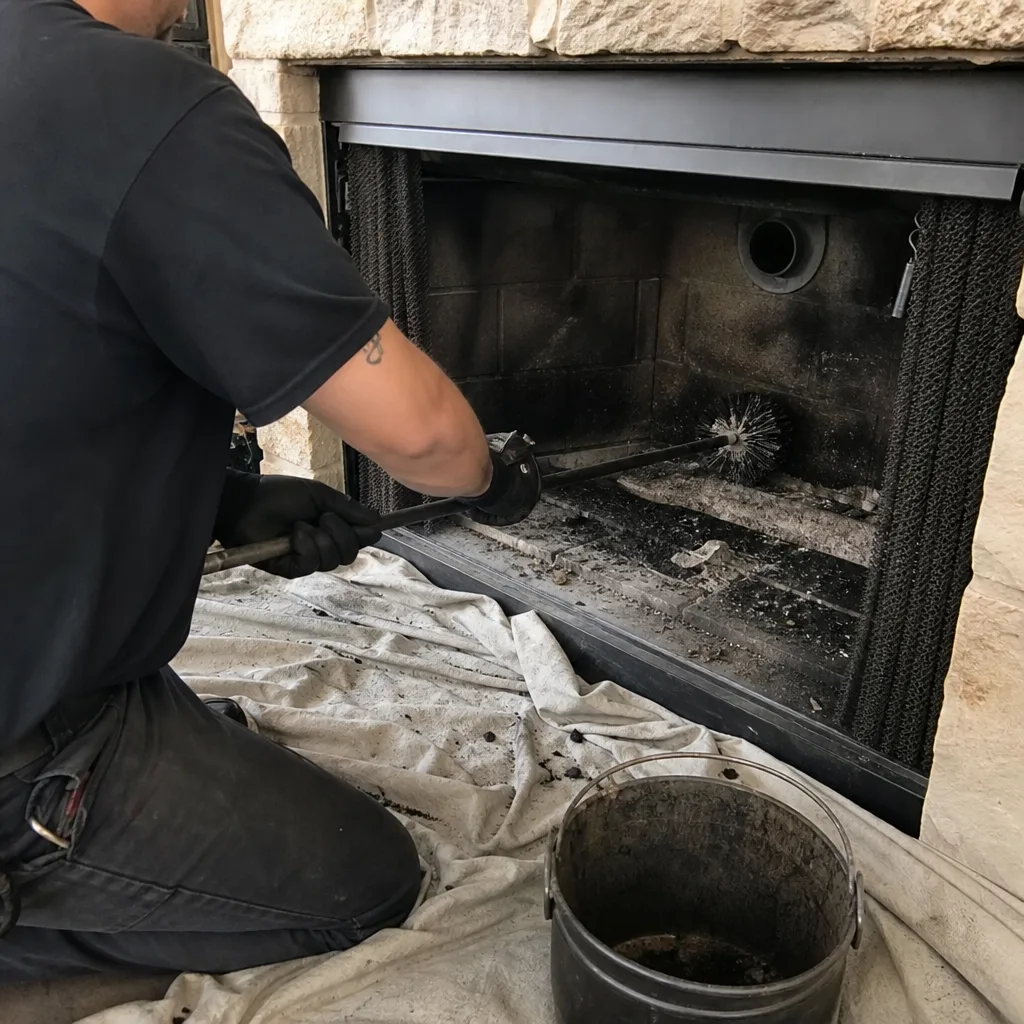
Chimney sweep logs do not sweep chimneys. They loosen some creosote - which then falls where a brush and vacuum still have to collect it.
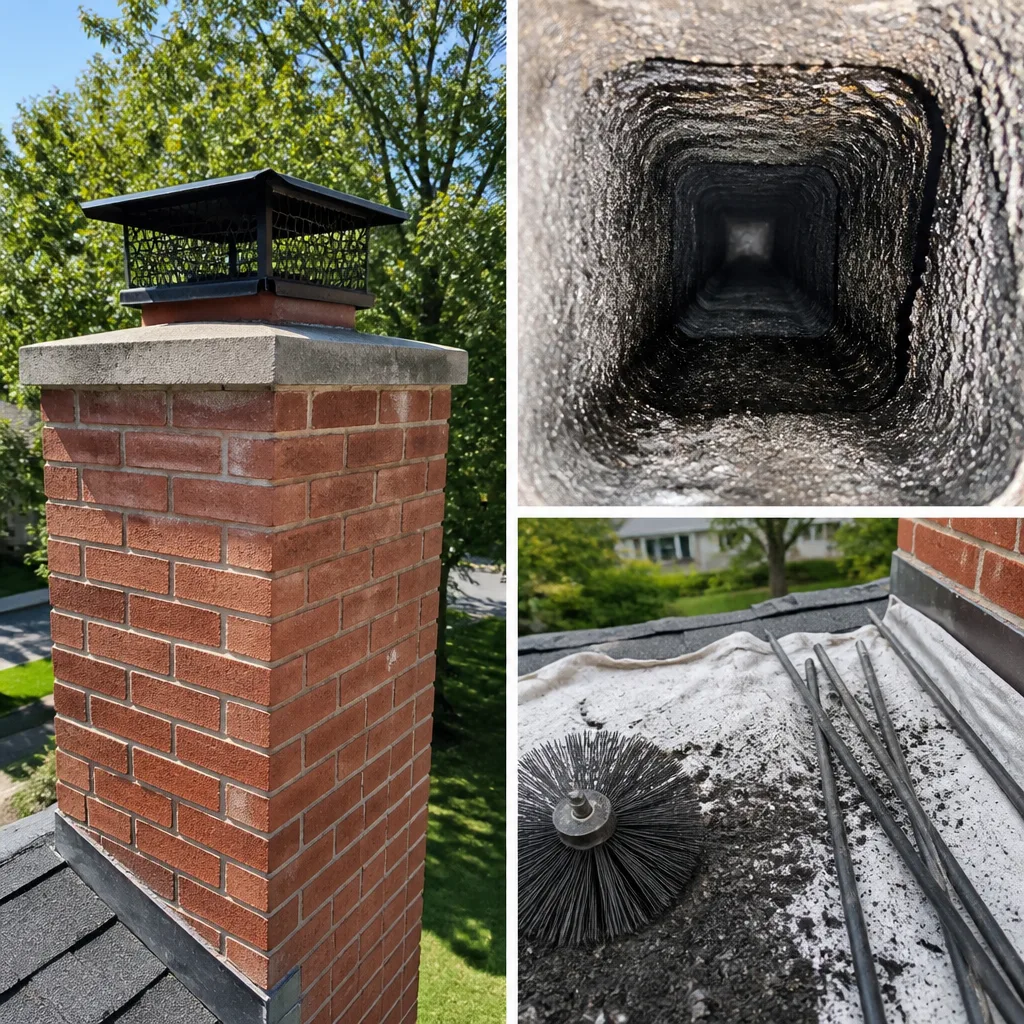
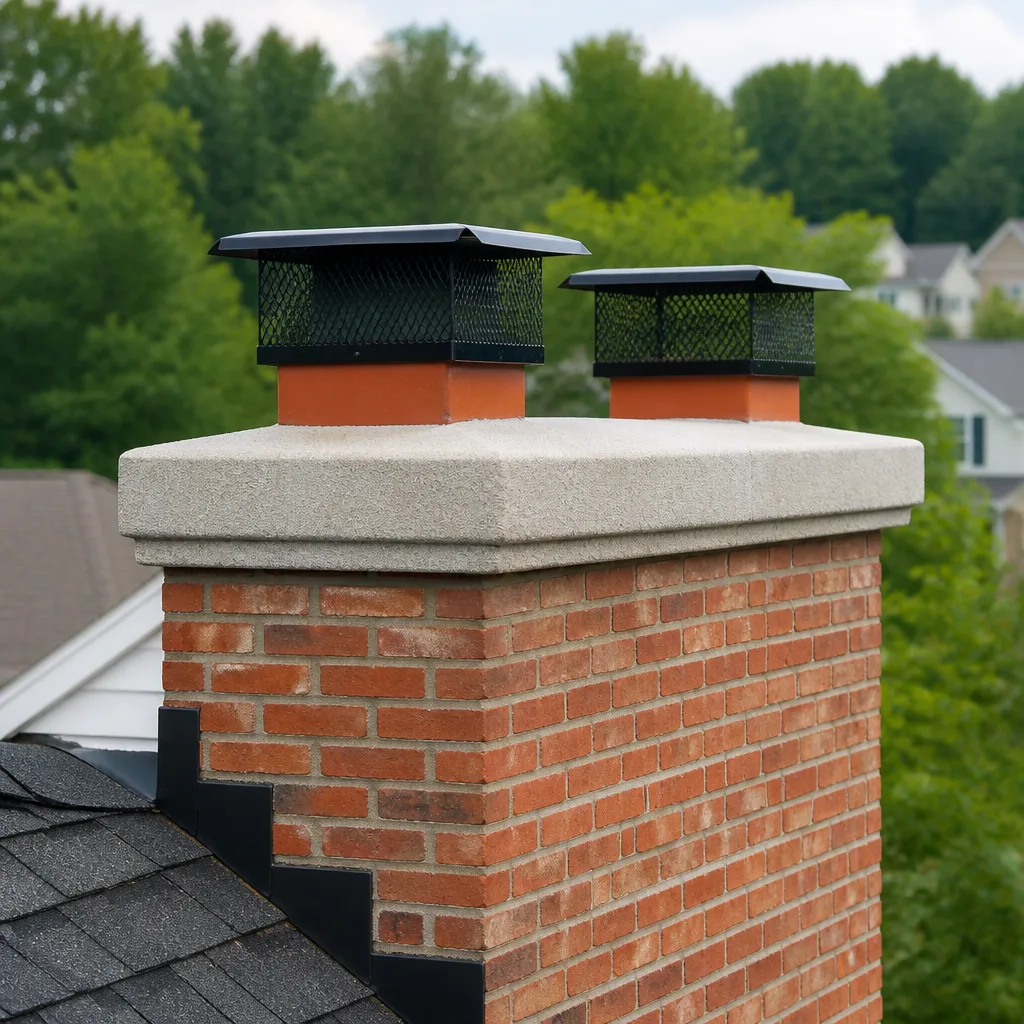
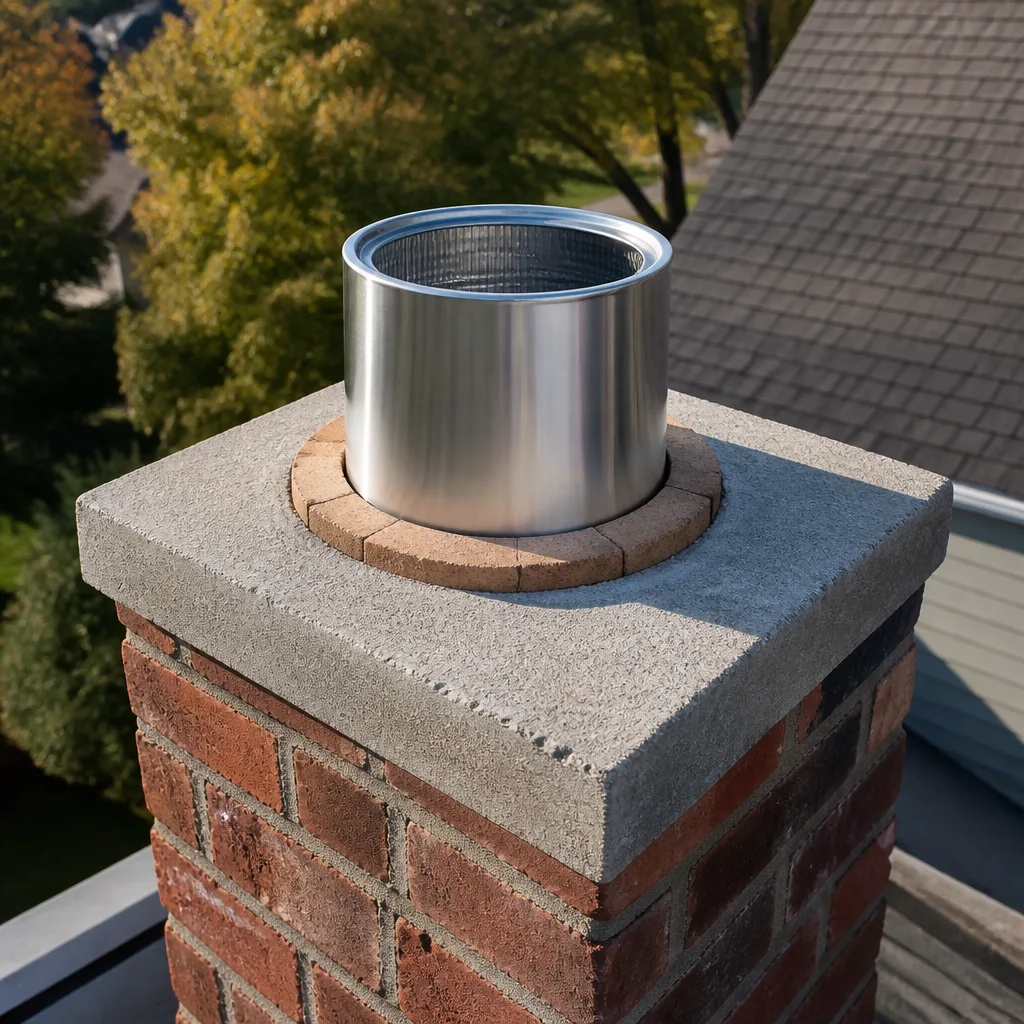
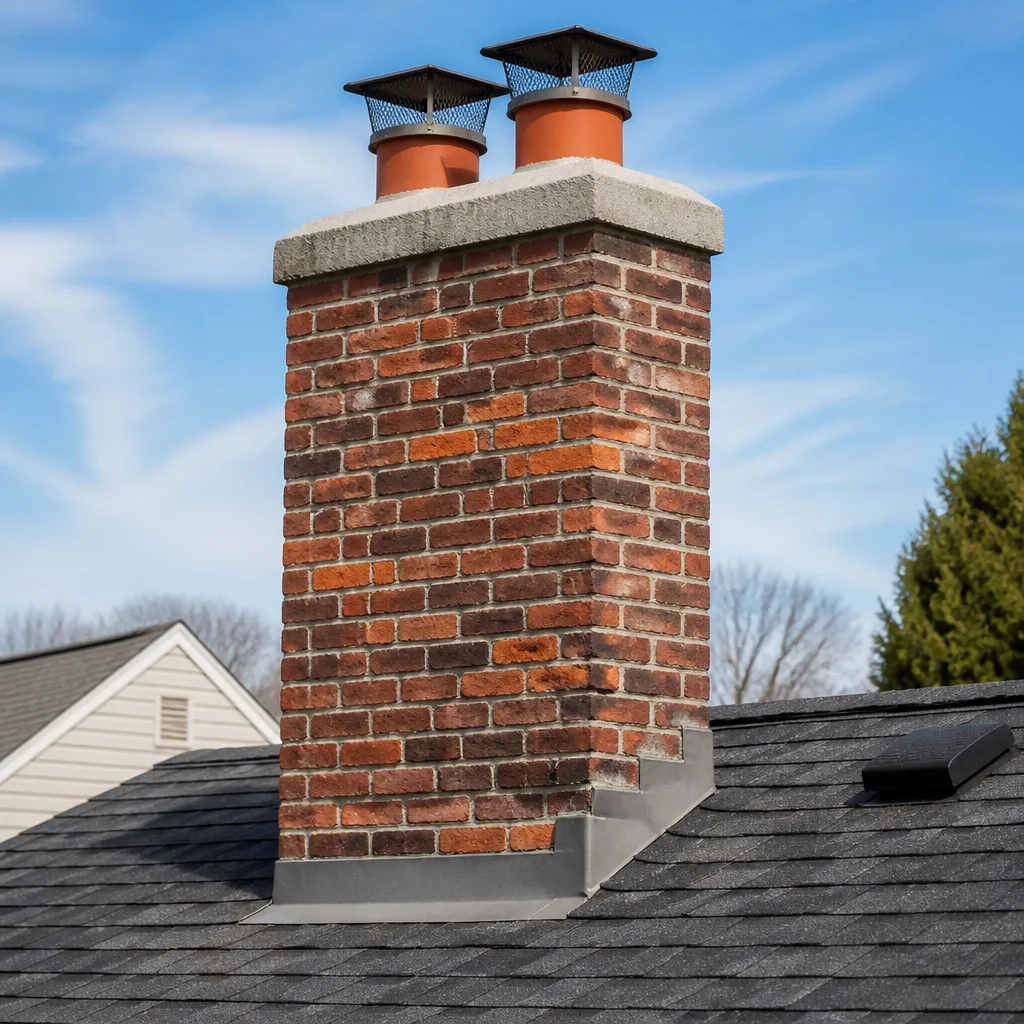
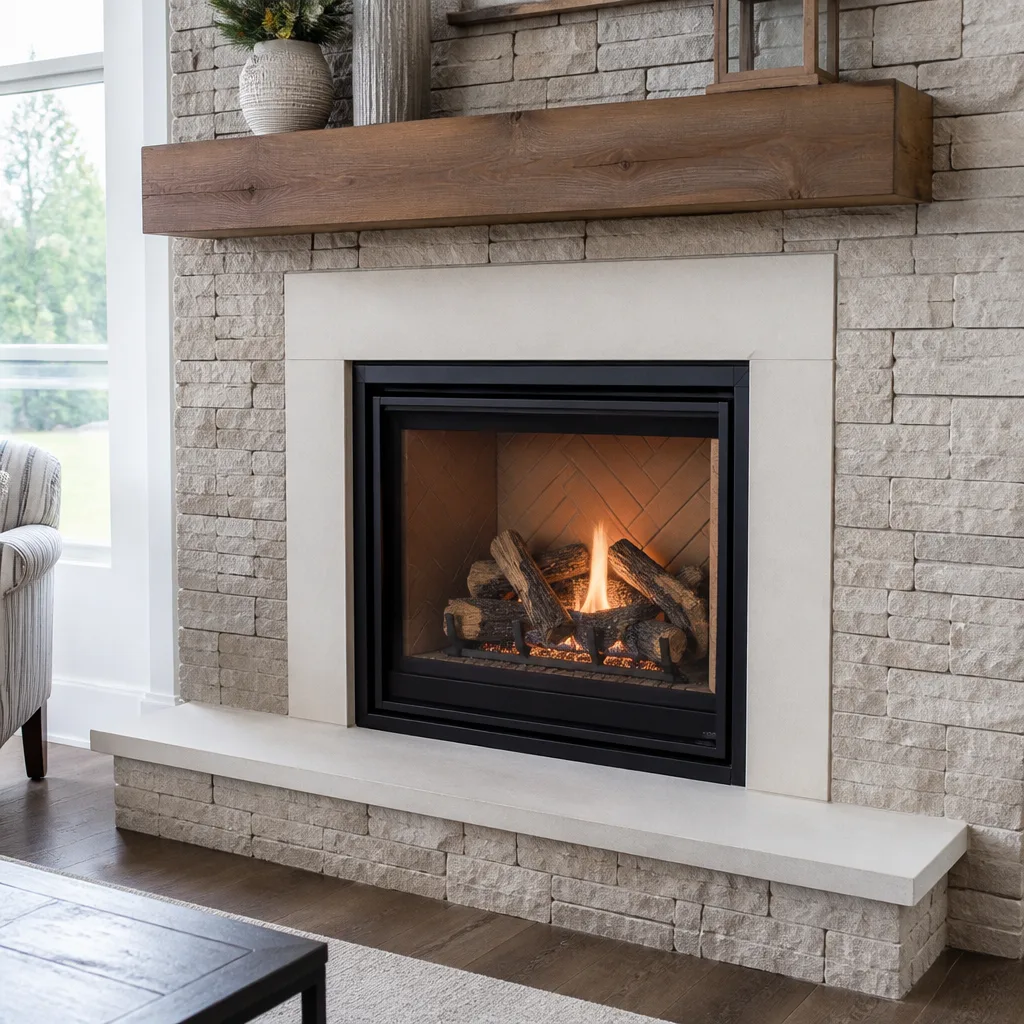
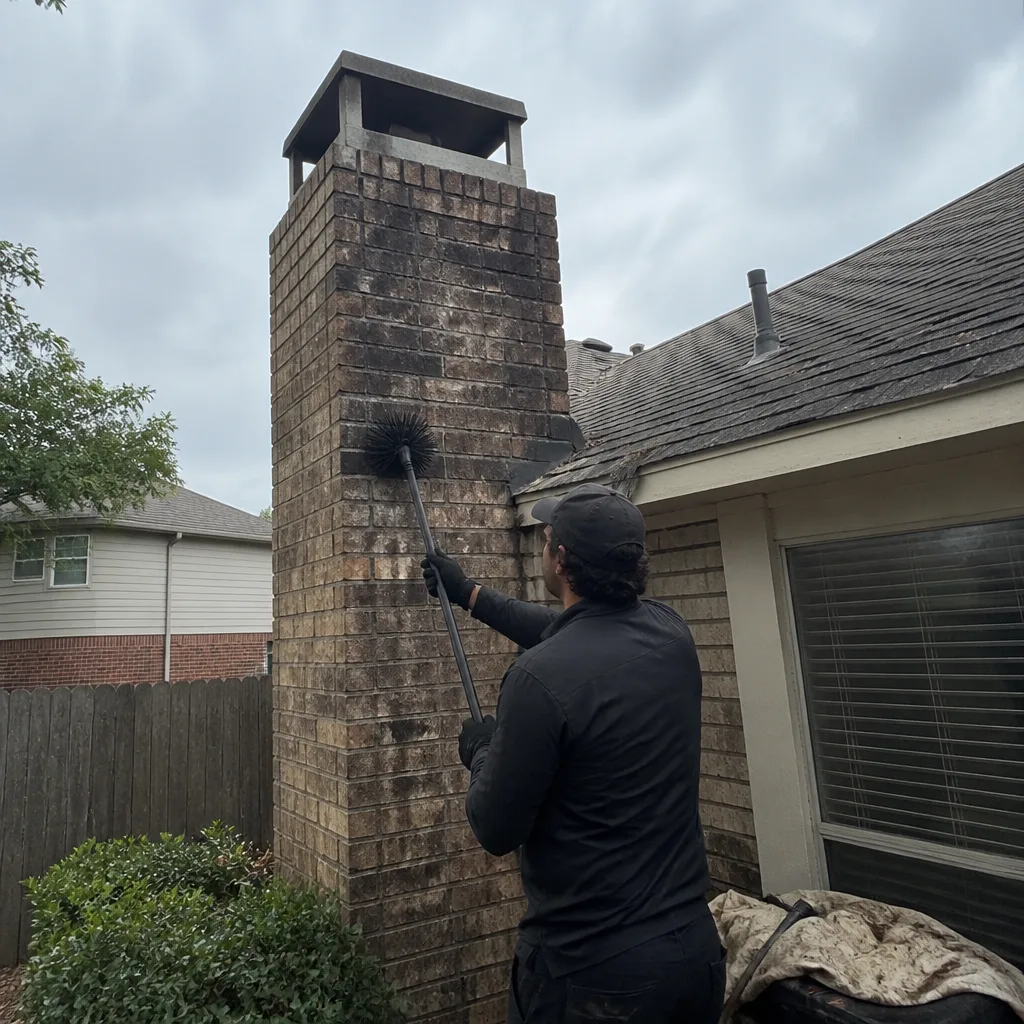 Before
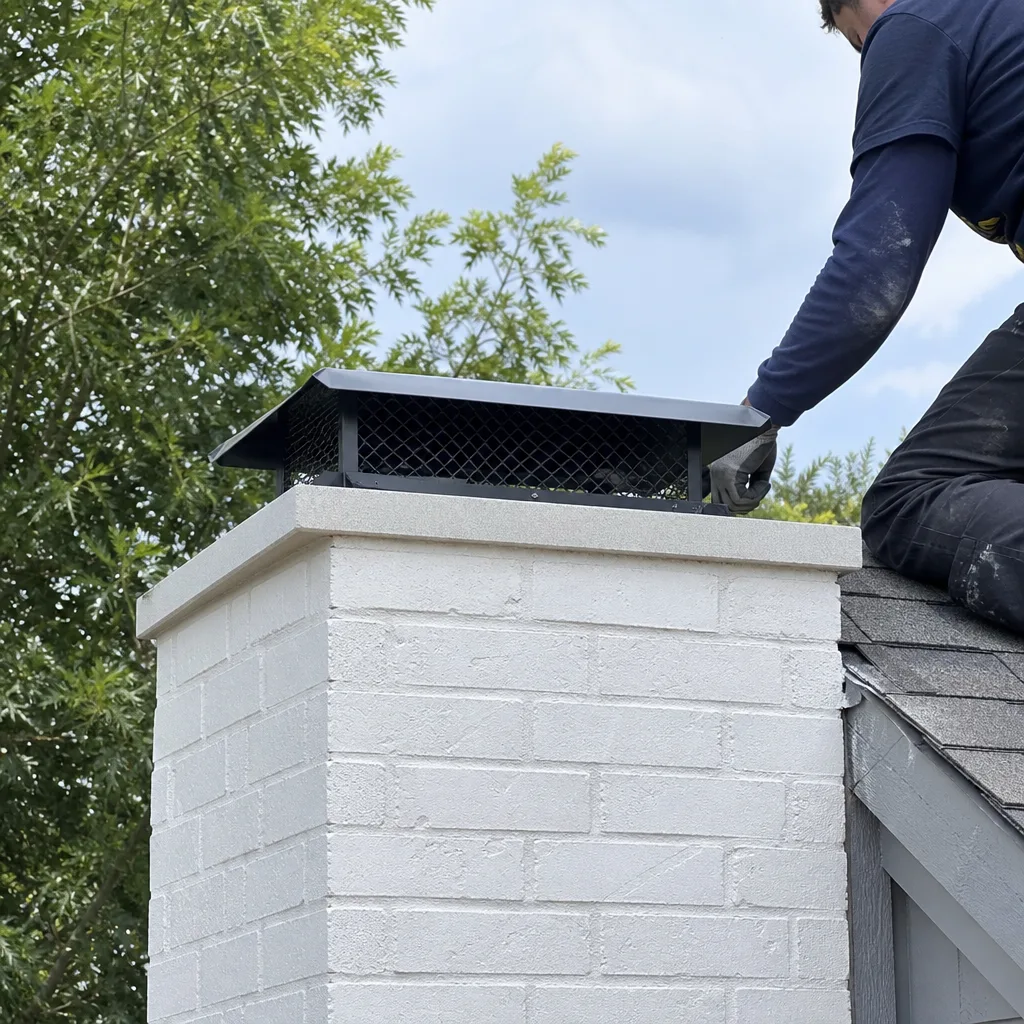 After
After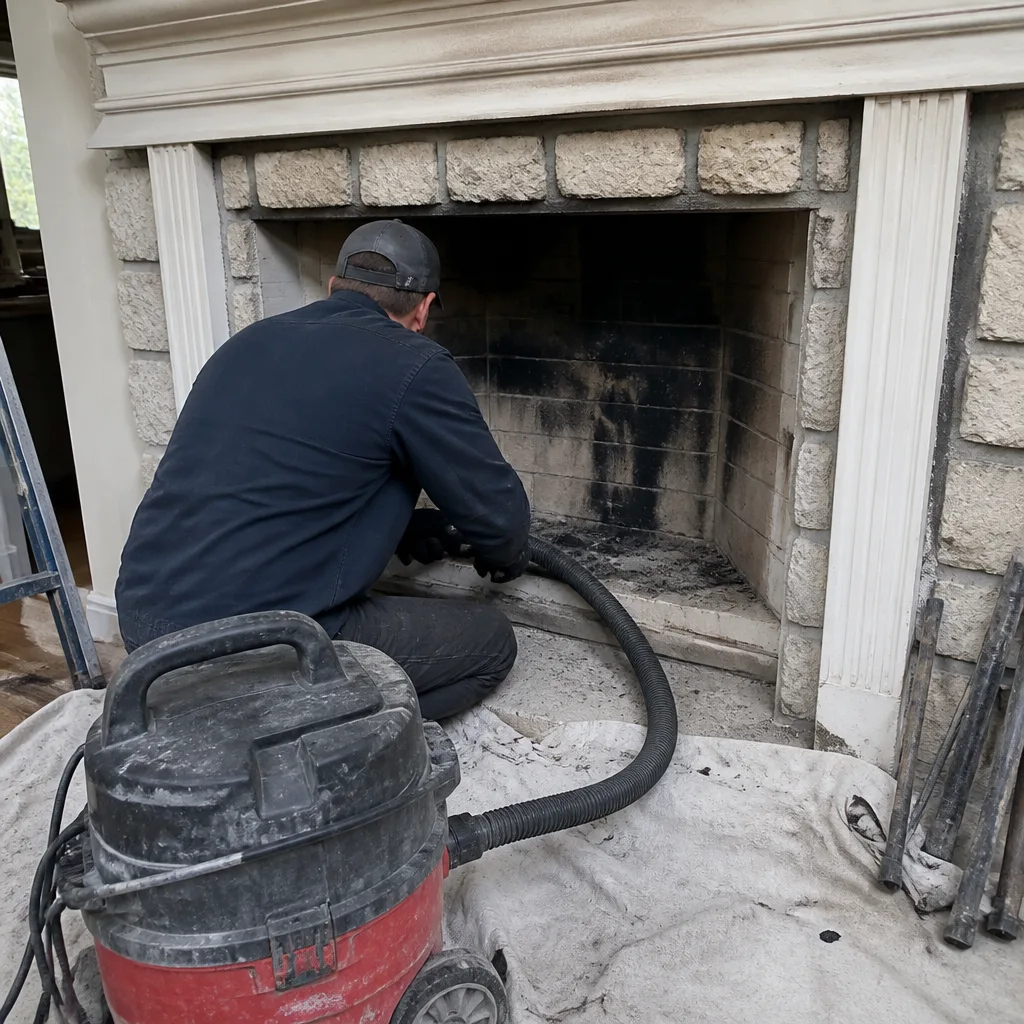 Before
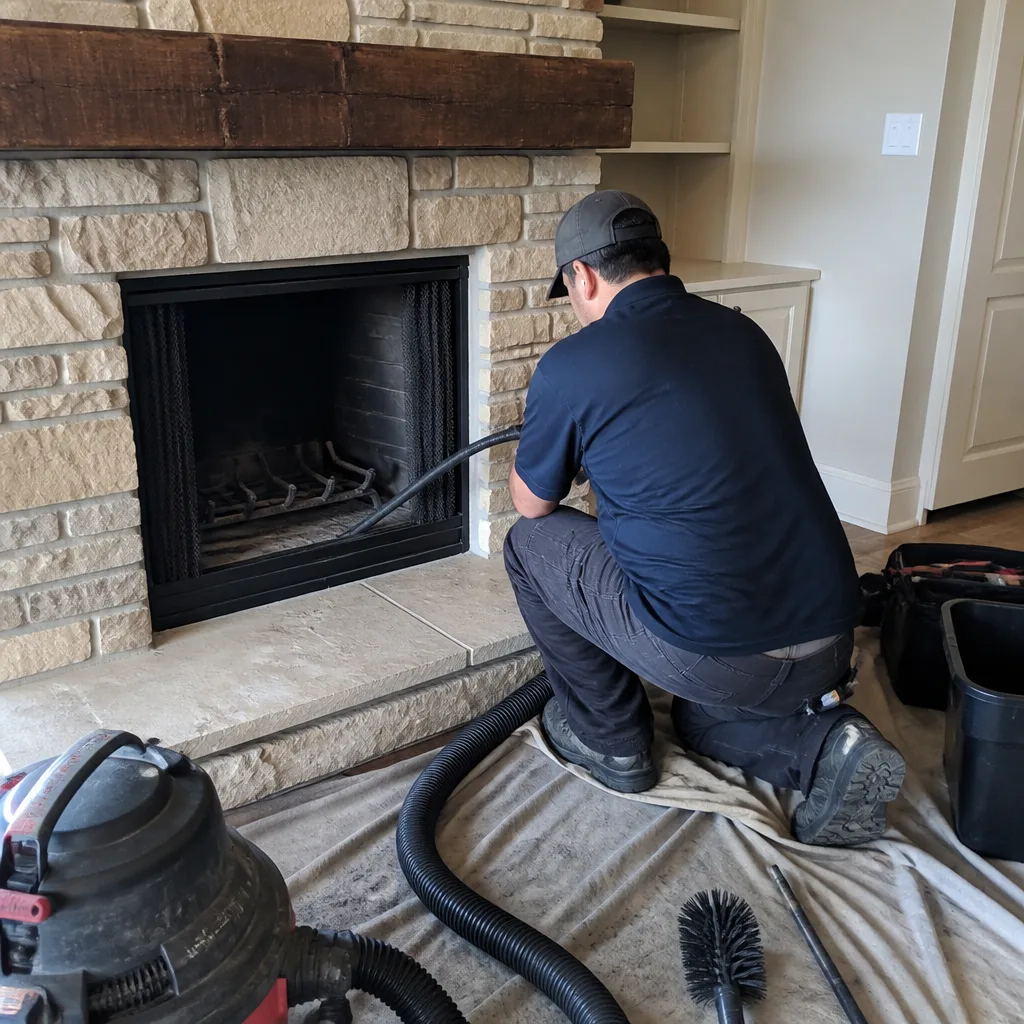 After
After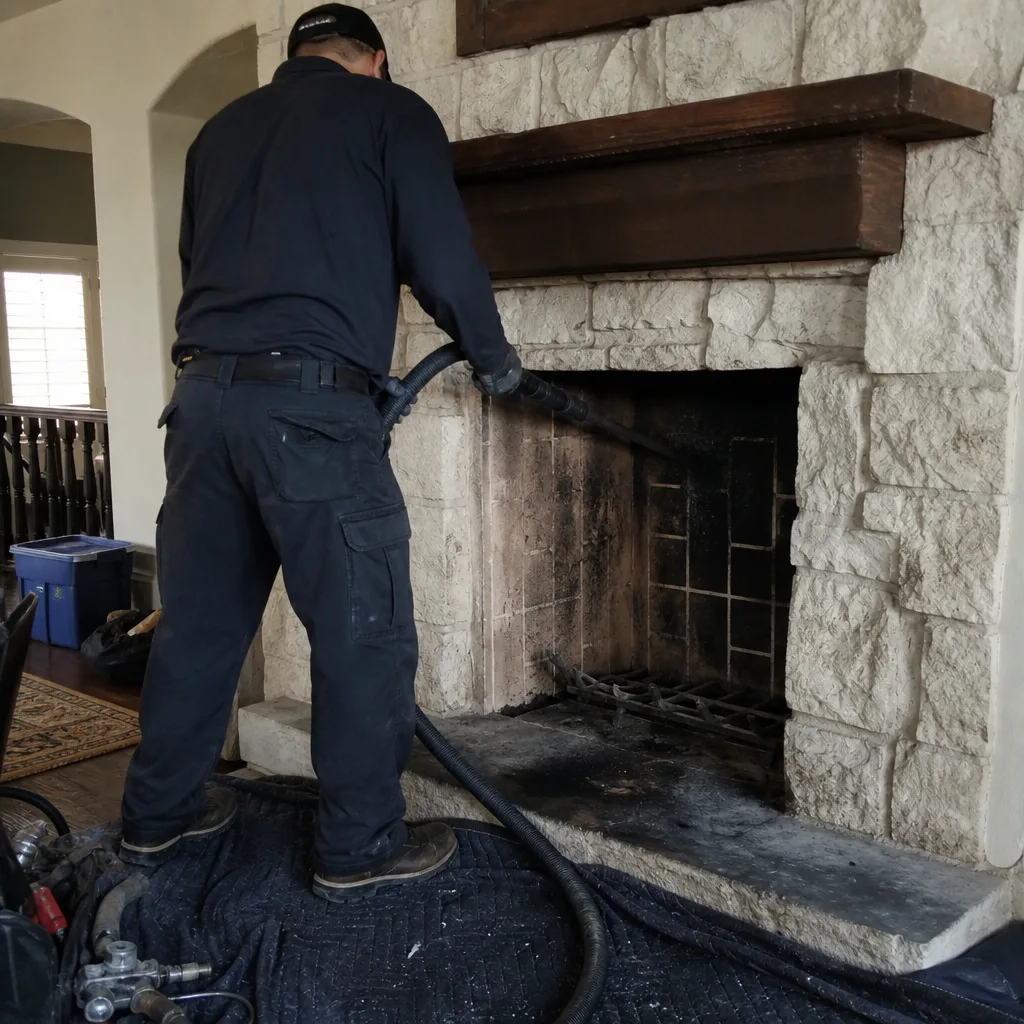 Before
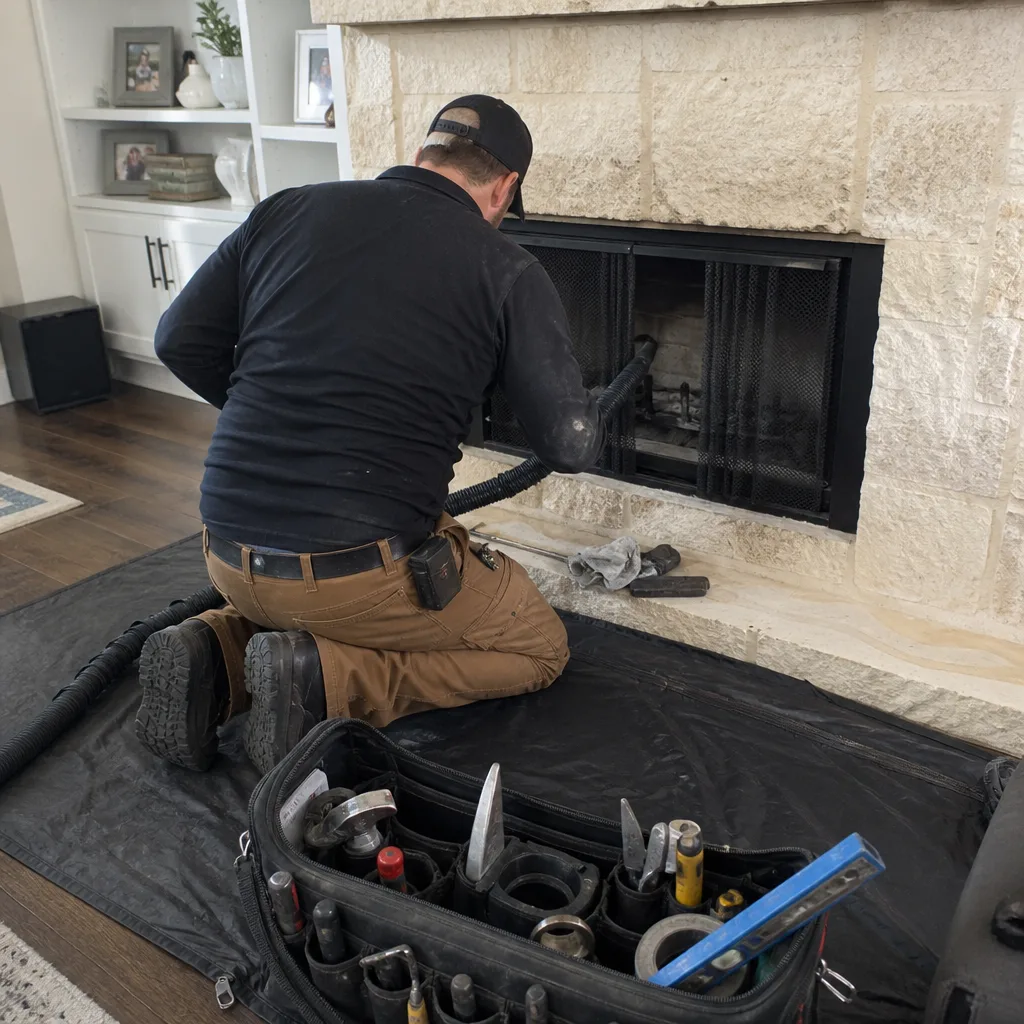 After
AfterChimney Cleaning & Sweep Maintenance Checklist for Plano Homeowners
Most Plano homeowners who schedule an “annual chimney inspection” never receive a written record of what was actually checked. In our experience across more than 38,000 chimney visits since 2009, the difference between a useful sweep and a wasted fee comes down to whether you hold your contractor to a specific checklist - and whether they hand you documentation that proves each item was inspected. This guide - alongside our The Complete Guide to Chimney Cleaning in Plano - gives you the exact pre-season and post-season checklist items a proper NFPA 211 Level 2 inspection covers, separated into what you can verify yourself and what requires a camera-equipped professional. You’ll also learn which three items budget sweeps skip most often, how Plano’s humidity swings affect your masonry, and what written proof of completion should look like before you pay.
Quick Answer
A complete chimney maintenance checklist for Plano homeowners includes 12 core items: exterior masonry and crown condition, cap installation and mesh integrity, flue liner inspection via camera, smoke chamber and firebox assessment, damper operation, connector pipe and appliance gaskets, creosote level classification, clearance to combustibles, carbon monoxide pathway check, and a written photo record with scope and pricing. Gas fireplaces need annual service but typically produce minimal creosote; wood-burning inserts and open hearths require cleaning when creosote reaches 1/8 inch thickness. In Plano’s climate, schedule this before the first sustained burn in October or November, after summer humidity has had months to expand and contract mortar joints.
Table of Contents
- Exterior Checklist: What Homeowners Can Spot From the Ground
- Interior Checklist: What Requires a Camera Inspection
- How Plano’s Climate Affects Your Chimney Maintenance Schedule
- Cleaning Frequency by Appliance Type: Gas, Wood Insert, or Open Hearth
- The Three Items Budget Sweeps Skip (And How to Catch Them)
- What Your Written Record Should Include: A Documentation Template
- Pre-Season and Post-Season Maintenance Timelines
- Common Mistakes to Avoid
- When to Call a Professional
- Frequently Asked Questions
- The Bottom Line
BeforeAfterExterior Checklist: What Homeowners Can Spot From the Ground
You don’t need a ladder or specialized equipment to catch early warning signs. These five exterior items should be checked each September in Plano, before burning season begins, and again in March after the heaviest use period ends.
1. Efflorescence on Brick or Stone Surfaces
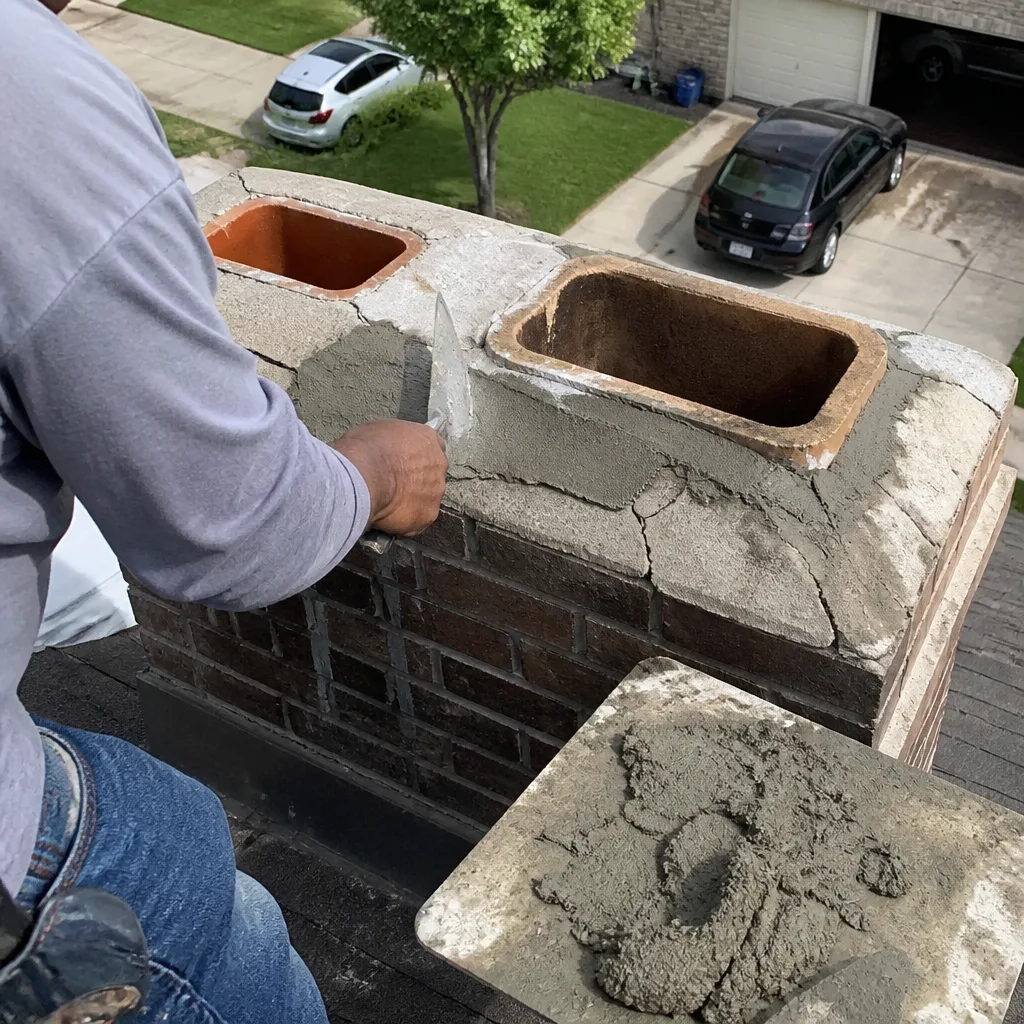
Efflorescence is the white, powdery deposit that appears when moisture pulls soluble salts through masonry. In Plano, we see this frequently on north-facing chimney exposures where afternoon shade prevents rapid drying after our sudden summer thunderstorms. It’s not merely cosmetic - it signals water penetration that will degrade mortar joints and spall brick faces over successive freeze-thaw cycles, even in our relatively mild winters.
What to look for: white crystalline patches, typically starting at the base of the chimney or around the crown interface. If you can brush it off and it returns within weeks, water is actively moving through the masonry.
2. Crown Cracks and Deterioration
The crown is the concrete or mortar cap that seals the chimney top between the flue liner and the outer brick edge. It should overhang the brick by at least 2 inches with a drip edge underneath. Cracks here allow water directly into the chimney structure, and in Plano’s August-to-January humidity swings, those cracks widen measurably.
What to look for: hairline cracks wider than 1/16 inch, chunks missing, or a crown that has receded below the brick line. A proper crown is poured concrete, not mortar - mortar crowns deteriorate in 3-5 years in Texas conditions.
3. Cap Condition and Mesh Screen
The cap sits atop the flue termination and keeps rain, animals, and debris out while allowing smoke escape. Mesh sides prevent bird and squirrel entry, which is particularly relevant in Plano’s mature neighborhoods like Willow Bend and Old Shepard Place where tree canopy connects to rooflines.
What to look for: rust holes in metal caps, detached or missing mesh, caps that have shifted off-center, or no cap at all. A missing cap in Plano means direct rain entry during our spring and fall storm seasons.
4. Flashing Integrity at the Roof Line
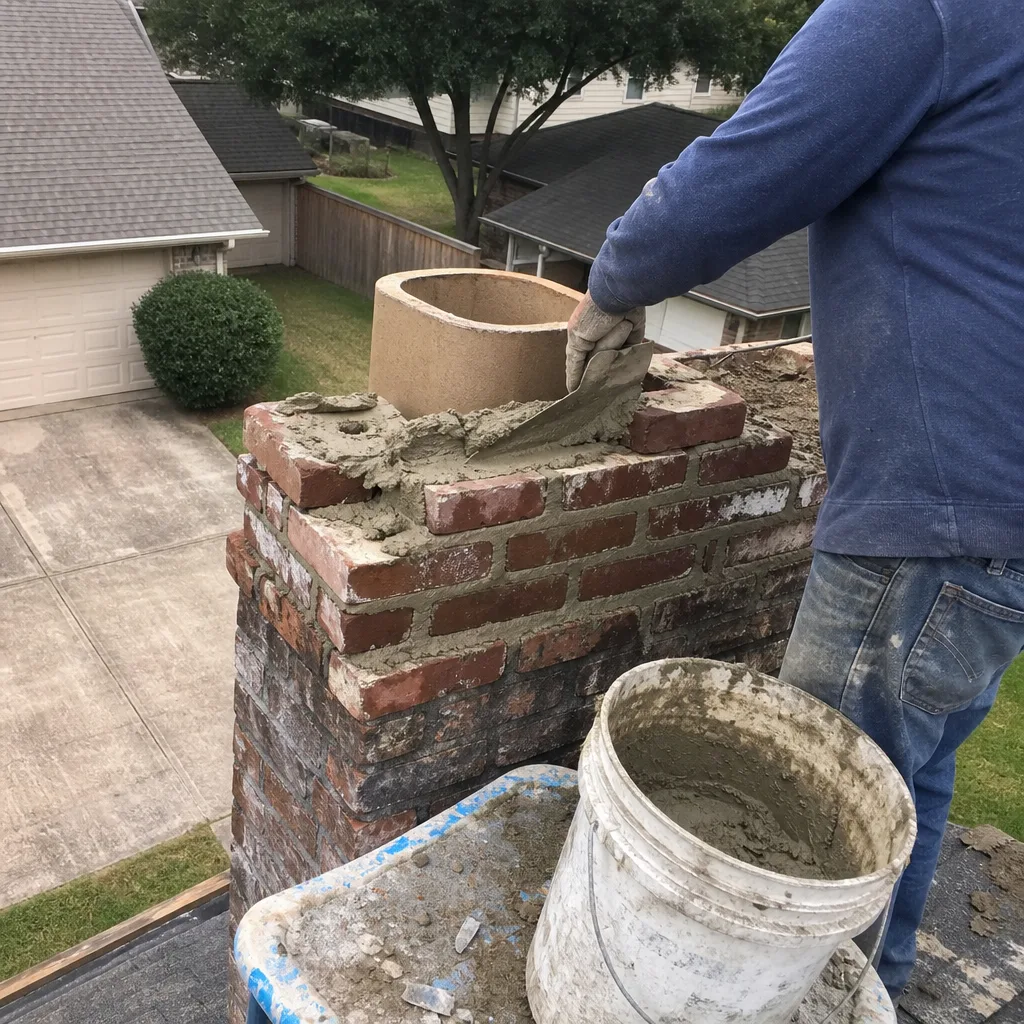
Flashing is the metal intersection where chimney meets roof. It’s the single most common leak source we document in Plano homes built between 2015 and 2020, when rapid construction sometimes prioritized speed over proper step-flashing installation.
What to look for: lifted or corroded metal, dried or missing caulk at the counter-flashing edge, water stains on ceiling drywall directly below the chimney, or shingle granules accumulating at the chimney base.
5. Spalling Brick or Deteriorating Mortar Joints
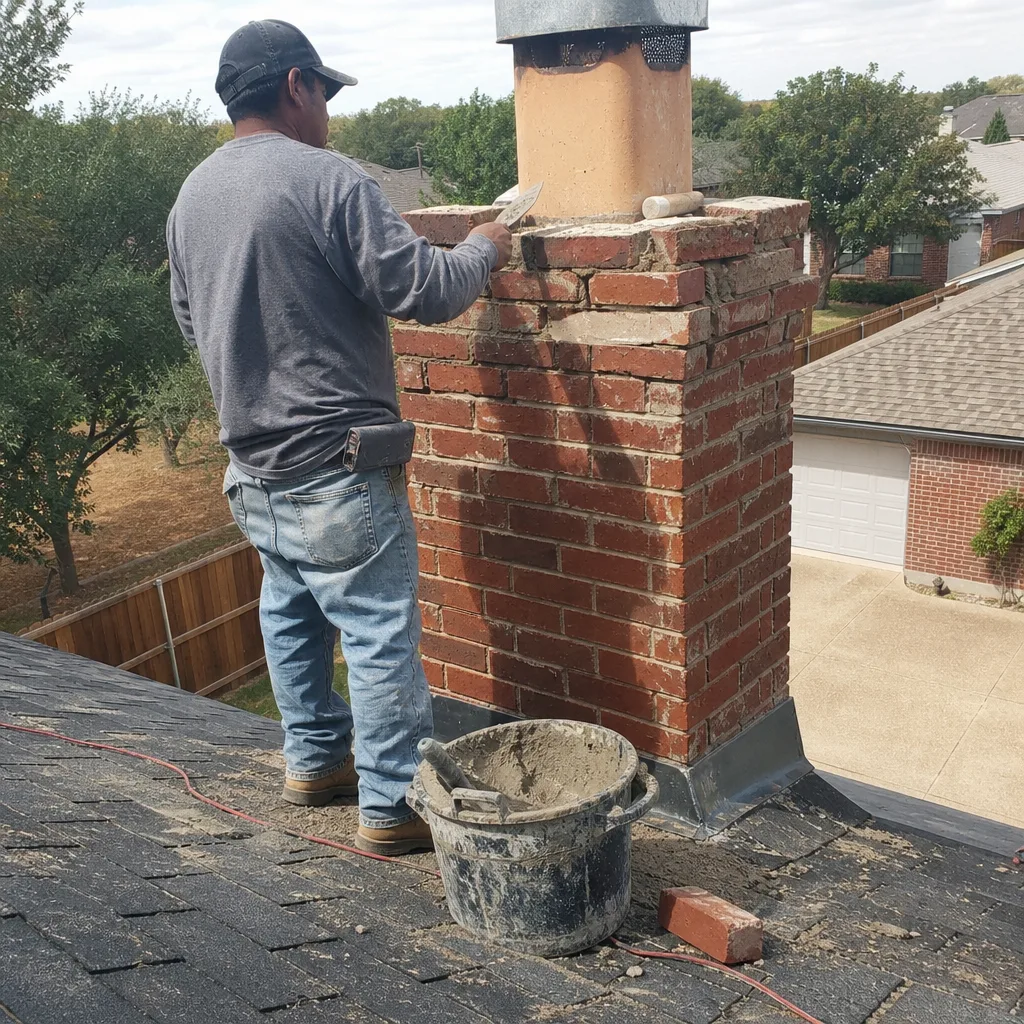
Spalling is when brick faces flake or pop off due to moisture freeze-thaw cycling. Even Plano’s few hard freezes are sufficient when water is trapped in porous brick. Mortar joint deterioration - called tuckpointing failure - allows accelerating water entry.
What to look for: brick faces that have lost their hard exterior layer, mortar that crumbles when scratched with a key, or gaps wider than 1/4 inch between bricks. Pay particular attention to the chimney shoulder, the transition point where the chimney narrows above the roofline.
If you observe any of these five conditions, document them with dated photos and include them in your Chimney Cleaning & Sweep service request. A professional inspection should confirm your observations and provide written repair scope before any work proceeds.
Interior Checklist: What Requires a Camera Inspection
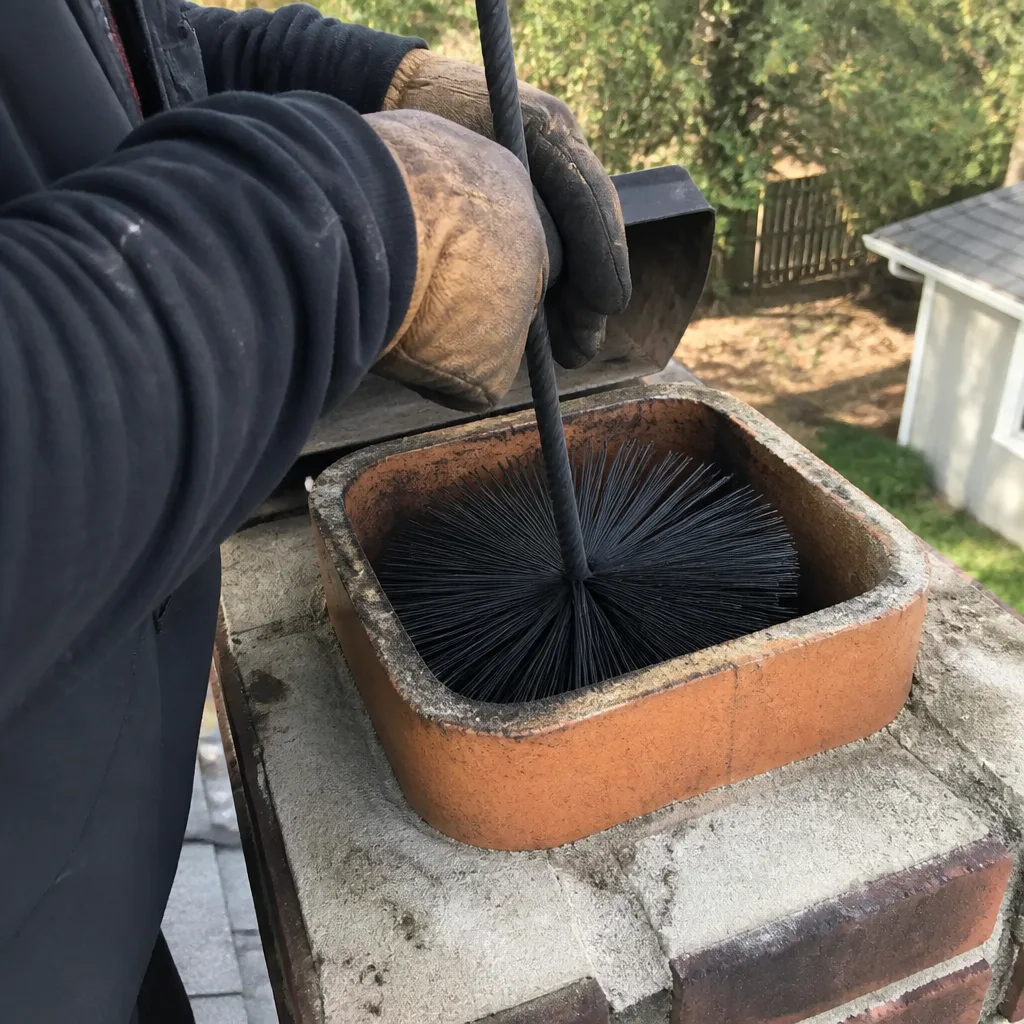
These seven items cannot be assessed from the ground or with a flashlight. They require an NFPA 211 Level 2 inspection: a camera scan of the full flue length, accessible interior surfaces, and documented photo record. At Emberly Chimney Cleaners Plano home, this has been our default practice since 2009, years before it became Haven Standard Clause 4.
1. Flue Liner Integrity
The flue liner is the clay, ceramic, or metal conduit that contains combustion gases and protects surrounding structure from heat. Cracked or deteriorated liners allow heat transfer to combustible framing and carbon monoxide leakage into living spaces.
What the camera reveals: vertical cracks in clay tile, gaps between tile sections, missing tiles at offsets or shoulders, corrosion holes in stainless steel liners, or delamination of cast-in-place products. In Plano, we frequently find clay tile damage from lightning strikes - our position on the southern edge of Tornado Alley exposes chimneys to electrical activity that thermal expansion then worsens.
Replacement materials we specify: DuraFlex stainless steel relining systems for their corrosion resistance in humid climates, or HeatShield cerfractory resurfacing for minor cracks in otherwise sound clay liners.
2. Smoke Chamber Parging Condition
The smoke chamber is the inverted funnel area above the firebox that channels smoke into the flue. It should be smooth, with sloped walls meeting at no more than a 45-degree angle. Rough, corbeled brick (stepped construction) or deteriorated parging (the smooth refractory coating) creates turbulence that reduces draft and allows creosote accumulation.
What the camera and mirror reveal: exposed corbeling steps, cracked or missing parging, gaps at the smoke chamber throat where it meets the flue liner. This area is invisible from the firebox and unreachable by standard cleaning tools without specialized equipment.
3. Firebox Floor and Wall Condition
The firebox contains the fire directly. Its refractory panels or brick must be intact to protect surrounding structure from radiant heat. Cracks here are not merely cosmetic - they are direct fire hazards.
What inspection reveals: cracked or spalling refractory panels (factory-built fireplaces), deteriorated firebrick with missing mortar, or rusted metal fireboxes in older prefabricated units. The firebox floor, where logs rest and ash accumulates, suffers the most thermal cycling and is most often cracked.
4. Damper Operation and Seal
The damper closes the flue when the fireplace is not in use, preventing conditioned air loss and downdrafts. It must open fully for proper draft and close tightly for energy efficiency.
What inspection reveals: rusted or warped plates that won’t seal, broken or missing handles, misaligned throat dampers, or top-sealing dampers with failed motors. In Plano’s summer humidity, throat dampers rust more readily than in drier climates.
5. Connector Pipe and Appliance Gaskets
For wood-burning inserts and some gas appliances, connector pipes carry combustion products from the appliance to the flue. Gaskets seal joints and appliance doors.
What inspection reveals: rusted or separated single-wall pipe, improper clearances to combustibles (single-wall requires 18 inches; double-wall reduces this), deteriorated door gaskets that allow combustion air leakage and reduce efficiency, or missing inspection ports on factory-built chimneys.
6. Creosote Classification and Accumulation
Creosote is the combustible deposit from burning wood. It exists in three classes: flaky or sooty (Class I), crunchy or honeycombed (Class II), and glazed, tar-like (Class III). Class III creosote is the most dangerous and requires chemical treatment before mechanical removal - attempting to sweep it directly can polish it into a harder, more ignitable surface.
What inspection reveals: thickness measurement at multiple flue points, classification by appearance, and identification of the burning practices that produced it (insufficient air supply, burning unseasoned wood, or overly restricted dampers).
7. Clearance to Combustibles and Framing Contact
NFPA 211 specifies minimum airspace between chimney components and combustible building materials. Violations are common in older homes, additions, or DIY modifications.
What inspection reveals: framing contact with masonry chimneys (requires 2 inches of airspace), improper mantel clearances, combustible materials within required distances to single-wall pipe, or modified factory-built chimney enclosures that reduce designed clearances. In Plano’s 1970s-1980s neighborhoods like Plano East and Parker Estates, we’ve found multiple instances where homeowners enclosed chimneys with wood framing that violates current standards.
How Plano’s Climate Affects Your Chimney Maintenance Schedule
Plano’s specific climate patterns create maintenance needs that differ from both northern freeze-zone and coastal humidity markets. Understanding these local factors helps you time inspections and interpret findings accurately.
August-to-January Humidity Swings
Plano’s relative humidity peaks in August, often exceeding 70%, then drops below 50% by January. This 20-plus point swing causes repeated expansion and contraction of masonry materials. Mortar joints - the weak point in any masonry assembly - absorb moisture during humid periods and contract as it evaporates. Over successive cycles, the bond between mortar and brick weakens, joints recede, and water penetration accelerates.
We’ve documented this pattern extensively in Plano neighborhoods. In Willow Bend, where homes date to the 1980s and 1990s, we regularly find mortar joint deterioration most advanced on chimneys with original construction and no history of tuckpointing. The damage is not from a single event but from 15-20 years of humidity cycling without maintenance.
Sudden Summer Storms and Wind-Driven Rain
Plano’s position at the intersection of moist Gulf air and dry western fronts produces sudden, intense thunderstorms, particularly April through June. Wind-driven rain enters chimney systems at cap gaps, crown cracks, and flashing failures that would not leak in gentle rainfall. After major storm events, we receive increased calls for water damage - often from homeowners who had no prior indication of chimney vulnerability.
Recommendation: inspect your chimney exterior within 48 hours of significant storms, particularly checking for new efflorescence or interior water staining.
Freeze-Thaw Despite Mild Winters
Plano averages 15-20 nights below freezing annually. This is sufficient for freeze-thaw damage when masonry is saturated. The critical factor is not the severity of cold but the combination of moisture and freezing temperature. A chimney with compromised crown or cap protection can absorb enough water during fall rains to suffer spalling during the first hard freeze.
Optimal Inspection Timing
Based on these patterns, we recommend:
- Primary inspection: September, before first sustained use, after summer humidity exposure
- Secondary inspection: March, after heaviest burning period, to assess creosote accumulation and any winter damage
- Post-storm check: Within 48 hours of severe weather with wind-driven rain or hail
This schedule aligns with Chimney Cleaning & Sweep in Plano booking patterns - September appointments fill first, and March scheduling allows summer repair planning before the next burning season.
Cleaning Frequency by Appliance Type: Gas, Wood Insert, or Open Hearth
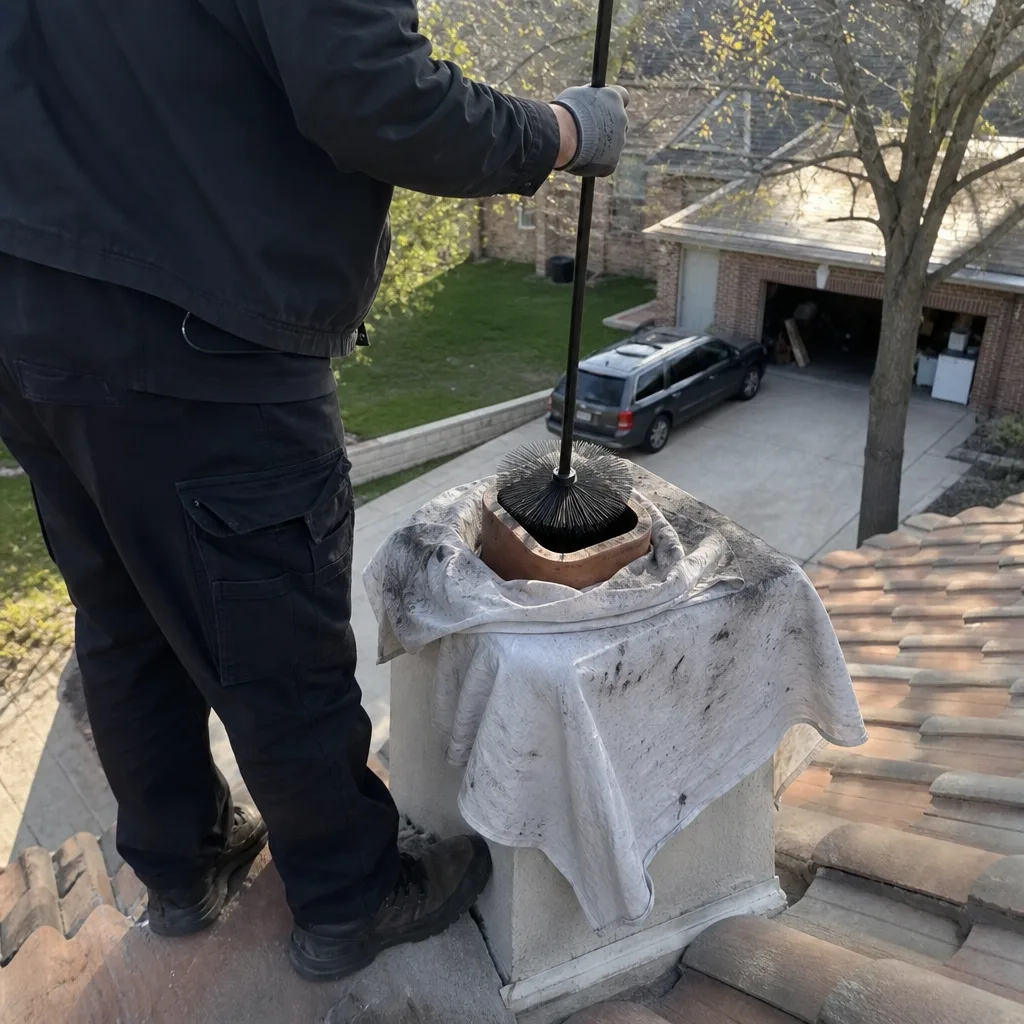
The “annual inspection” rule applies universally. Cleaning frequency does not. Your appliance type determines how often sweeping is actually necessary, and misunderstanding this distinction leads to either unnecessary expense or dangerous accumulation.
Gas Fireplaces and Log Sets
Gas appliances produce minimal particulate matter and essentially no creosote. Annual service should include burner inspection, pilot and thermocouple testing, ember bed and log positioning verification, and venting system check for obstruction or deterioration. The flue itself typically requires only visual inspection for bird nests or debris, not mechanical sweeping.
Exception: propane-fueled appliances in Plano’s harder-water areas can produce more scale and residue than natural gas, requiring more frequent burner cleaning. If you’ve converted from natural gas to propane, inform your technician.
Wood-Burning Inserts
Inserts are factory-built appliances installed into existing fireplaces, connected to a stainless steel liner running the full flue length. They burn more efficiently than open hearths but concentrate combustion byproducts in a smaller, cooler flue that promotes creosote formation.
Cleaning trigger: annual minimum, or when creosote reaches 1/8 inch thickness at any point in the liner. Because inserts must be removed or partially disassembled for proper flue access, this is never a DIY procedure. The connector pipe between insert and liner must also be inspected for gaps or corrosion.
Open Hearth Fireplaces
Traditional masonry fireplaces are the least efficient and produce the most creosote per unit of heat. The large flue designed for open combustion cools rapidly, causing heavy condensation of combustion byproducts on flue walls.
Cleaning trigger: annual minimum for moderate use (2-3 fires weekly during season), or mid-season inspection for daily use. Class III glazed creosote can form in a single season of improper burning practices. Open hearths also require more frequent firebox inspection due to direct flame impingement on refractory surfaces.
Pellet Stoves
Pellet appliances require specialized service distinct from wood or gas. The venting system, combustion blower, and ash removal systems need annual service, but the flue typically accumulates fine ash rather than creosote. Follow manufacturer specifications; many require certified pellet stove technicians for warranty maintenance.
| Appliance Type | Minimum Inspection | Typical Cleaning Frequency | Plano-Specific Note |
|---|---|---|---|
| Gas fireplace/log set | Annually | Service only; flue rarely needs sweeping | Check for storm debris in vent termination |
| Wood-burning insert | Annually | Annually or at 1/8″ creosote | Stainless liner inspection critical in lightning-prone areas |
| Open hearth fireplace | Annually | Annually; mid-season for heavy use | Most susceptible to humidity-related firebox damage |
| Pellet stove | Annually | Per manufacturer; typically annually | Use certified pellet technician for warranty compliance |
The Three Items Budget Sweeps Skip (And How to Catch Them)
Not all chimney services perform equivalent work. In Plano’s competitive market, we’ve encountered competitor sweeps that complete “inspections” in 20 minutes without documentation. These three critical items are most often omitted because they require time, equipment, or expertise that low-price providers don’t invest in.
1. Firebox Floor Cracks
The firebox floor is the most thermally stressed surface in the entire system, yet it’s often given only a glance. A proper inspection requires removing all ash and debris, then examining the full surface with adequate light. Refractory panel cracks in factory-built units must be measured - panels with cracks exceeding 1/4 inch or through-cracks to the metal wrapper require replacement, not monitoring.
How to catch the skip: your written record should include a firebox floor photo. If you receive no photo documentation of this area, the inspection was incomplete. Clause 4 of the Haven Standard requires photo record on every job - this specific image is non-negotiable.
2. Smoke Chamber Corbeling Damage
The smoke chamber is invisible from below and difficult to access. Budget sweeps may run a brush through the flue without ever examining this critical transition zone. Corbeled brick construction - stepped brick common in pre-1980 chimneys - creates turbulence that reduces draft and accelerates creosote accumulation. Missing or deteriorated parging exposes this rough surface.
How to catch the skip: ask specifically whether the smoke chamber was inspected and whether corbeling or parging condition was noted. The answer should be specific, not “it looked fine.” A camera image of the smoke chamber should appear in your documentation.
3. Cap and Crown Condition
Exterior work requires ladder deployment and time on the roof. Some low-cost services inspect only from the ground or skip the exterior entirely if weather is marginal. Yet crown deterioration is the primary entry point for water that destroys chimneys from the top down.
How to catch the skip: your documentation should include a dated photo of the crown from above, showing the full surface and drip edge condition. If your “inspection” produced only interior images, the exterior was not properly assessed.
These three items represent the most common gaps between price and value in chimney service. At Chimney Repair in Plano, we address each with specific documentation, and our Fireplace Services in Plano include the same standard.
What Your Written Record Should Include: A Documentation Template
A proper chimney service concludes with documentation you can file with your homeowner’s insurance, real estate records, or warranty claims. This is not a courtesy - it is evidence of what was found, what was done, and what was recommended. Below is the standard we established in 2009 and codified as Haven Standard Clause 4.
Required Documentation on Every Visit
- Written scope of work - specific items inspected and serviced, not generic “chimney swept”
- Written price for services rendered - agreed before work began, per Haven Standard Clause 1
- Written warranty - 365-Day Done Right Promise on all Emberly work
- Dated photo record - minimum: exterior crown and cap, flue liner full-length scan, smoke chamber, firebox floor, damper, and any findings requiring attention
- Creosote classification and thickness - measured at multiple points, not estimated
- Technician identification - name and CSIA certification number
- Recommendations with priority ranking - what requires immediate action, what can be scheduled, what should be monitored
- Customer signature and date - acknowledgment of scope, price, and completion
Red Flags in Documentation
- Vague descriptions: “chimney OK” or “no problems found” without specifics
- No photos or only generic stock images
- Verbal recommendations without written backup
- Pressure to decide immediately on additional work without time to review
- No technician identification or company license information
We provide this documentation on every Chimney Cleaning & Sweep in Plano visit, whether the finding is routine maintenance or significant repair need. Our materials - from Gelco caps to Copperfield accessories - are sourced through Haven’s buying network to maintain pricing transparency.
Pre-Season and Post-Season Maintenance Timelines
September: Pre-Season Preparation
Schedule your primary inspection after summer humidity exposure but before first sustained use. This timing allows repair completion before cold weather and identifies any storm damage from spring and summer.
- Exterior visual inspection from ground (homeowner)
- Interior camera inspection with full documentation (professional)
- Creosote measurement and classification
- Cleaning if thickness exceeds 1/8 inch or Class III present
- Repair scheduling for any crown, cap, or masonry issues
- Damper operation verification and lubrication
March: Post-Season Assessment
After heaviest use, assess accumulated wear and plan summer repairs. This is also optimal timing for major work - crown rebuilding, tuckpointing, or liner replacement - when the chimney is not needed and weather permits.
- Interior inspection focusing on firebox and smoke chamber condition after thermal cycling
- Creosote accumulation assessment for burning practice adjustment
- Exterior re-check for any winter damage or new efflorescence
- Repair scope development and pricing for summer scheduling
- Documentation update for insurance or real estate records
Storm Event Response
Within 48 hours of severe weather with hail, high winds, or wind-driven rain:
- Ground-level exterior check for visible damage
- Interior check for water staining or unusual odors
- Professional inspection if any damage observed or if storm was severe enough to damage roofing in your area
Common Mistakes to Avoid
- Assuming gas fireplaces need no service. Gas appliances require annual burner, vent, and safety control inspection. The flue may not need sweeping, but the system absolutely needs professional attention to prevent carbon monoxide hazards and ensure proper operation.
- Waiting for visible smoke problems before calling. By the time you notice smoke rollback or drafting issues, the underlying condition - blocked flue, damaged liner, or improper construction - has typically existed for months. Annual inspection catches these before symptoms appear.
- Accepting verbal estimates for repair work. A written price, written scope, and written warranty before work begins is the minimum standard. Verbal commitments leave no recourse if work is incomplete or improperly performed. Haven Standard Clause 1 exists specifically because we saw too many Plano homeowners trapped by open-ended pricing.
- Using the wrong fuel in the wrong appliance. Burning wood in a gas-only fireplace, or using unseasoned wood in an EPA-certified insert, creates dangerous conditions that manufacturer warranties and homeowner’s insurance may not cover. The moisture content of properly seasoned wood is below 20% - in Plano’s humid summers, covered storage is essential even for purchased “seasoned” wood.
- Ignoring efflorescence as cosmetic. That white powder is water actively moving through your masonry. Left unaddressed, it precedes spalling, joint failure, and structural deterioration that costs multiples more to repair than early intervention.
- Skipping inspection after home purchase. Even new construction requires verification that the chimney was built to code and properly completed. We’ve found unlined flues, missing dampers, and improper clearances in Plano homes across all price points. A general home inspector’s visual check from the fireplace opening is not equivalent to a Level 2 camera inspection.
- DIY sweeping with household tools. Proper chimney sweeping requires brushes sized to the flue, rods that won’t damage liner surfaces, and vacuum systems that contain particulate matter. More critically, without camera inspection, you cannot verify that cleaning was complete or that underlying damage exists. For the cost of proper equipment - which still leaves you without diagnostic capability - professional service is the rational choice.
When to Call a Professional
Call for immediate professional inspection if you observe any of the following: visible cracks in firebox refractory or brick, water staining on ceiling or walls near the chimney, smoke entering the room during fireplace use, strong odors from the fireplace when not in use, animal sounds or debris in the flue, or any damage to the exterior cap, crown, or masonry. These conditions indicate active hazards that require documented assessment before further use.
Even without symptoms, annual NFPA 211 Level 2 inspection is the standard for all chimney systems. In Plano’s climate, the combination of humidity cycling, storm exposure, and seasonal use patterns makes professional documentation particularly valuable for maintenance planning and insurance records.
Emberly Chimney Cleaners Plano offers free estimates in Plano - call (469) 240-3101. Every estimate includes written scope, written price, and written warranty before any work begins. Our background-checked, uniformed technicians arrive with license information, a named assignment, and text notification when en route. Live phone support is available 24 hours a day, 7 days a week.
Frequently Asked Questions
A complete chimney sweep and NFPA 211 Level 2 inspection in Plano typically ranges from $199 to $349, depending on appliance type, accessibility, and whether the flue requires chemical treatment for Class III creosote. Wood-burning inserts with full liner removal for access fall at the higher end; gas fireplace service at the lower. We provide a written price before any work starts - no exceptions, no surprises. Call (469) 240-3101 for an exact quote; estimates are free.
You need liner replacement only when inspection documents specific damage: cracked or missing clay tiles, corrosion holes in metal liners, or gaps that allow heat or combustion gases to reach combustible framing. We never recommend liner replacement without camera evidence you can see yourself, and we provide free second opinions on any competitor’s written estimate. Many conditions that appear to require replacement can be addressed with HeatShield cerfractory resurfacing at substantially lower cost.
Gas fireplaces need annual service but rarely need sweeping. Wood-burning inserts and open hearths require cleaning when creosote reaches 1/8 inch thickness, which for typical Plano use patterns means annually or bi-annually depending on burning frequency and wood quality. The specific trigger is measurable accumulation, not calendar time alone. Our inspection includes precise thickness measurement and classification.
Skipped maintenance leads to three predictable outcomes: creosote accumulation increases chimney fire risk, moisture entry degrades masonry and metal components, and undetected liner or appliance damage creates carbon monoxide exposure potential. In Plano’s humidity climate, moisture damage accelerates measurably - we’ve documented chimneys that required $4,000-plus rebuilds that annual maintenance would have prevented for under $300 yearly. The financial risk of skipping maintenance far exceeds its cost.
Level 1 is a visual inspection of readily accessible portions without specialized equipment - appropriate for annual maintenance of systems with no changes or known issues. Level 2 adds camera scan of the full flue interior, accessible attics and crawl spaces, and inspection of all interior surfaces - required for real estate transactions, after chimney fires, following weather events, or when any changes have been made to the system. Emberly Chimney Cleaners Plano performs Level 2 as our default because it is the only method that documents actual flue condition.
Small crown cracks do not typically prevent fireplace use if the flue liner is intact and the firebox is sound. However, cracks allow accelerating water entry that will worsen the crown and potentially damage the chimney structure. The condition should be documented, monitored, and repaired before the next burning season. We classify crown conditions and provide priority rankings in our written documentation so you can make informed decisions about timing.
The Bottom Line
A useful chimney maintenance checklist separates what you can observe from the ground - efflorescence, crown cracks, cap condition, flashing integrity, and spalling - from what requires professional camera inspection: flue liner integrity, smoke chamber condition, firebox damage, and proper clearances. In Plano’s climate, humidity cycling between August and January accelerates mortar deterioration that annual inspection catches before it becomes structural failure. The three items most often skipped by budget providers - firebox floor cracks, smoke chamber corbeling, and cap and crown condition - are exactly where documented photo evidence matters most. Demand a written price before work starts, a written warranty, and a dated photo record on every visit. These are not extras; they are the minimum standard for a service that protects your home and family.
Written by Corrine Halstead, Owner at Emberly Chimney Cleaners Plano, serving Plano since 2009.