
Level 1 sweep and inspection to the NFPA 211 annual standard - flue, crown, cap, and flashing checked and photographed
Chimney sweep logs do not sweep chimneys. They loosen some creosote - which then falls where a brush and vacuum still have to collect it.
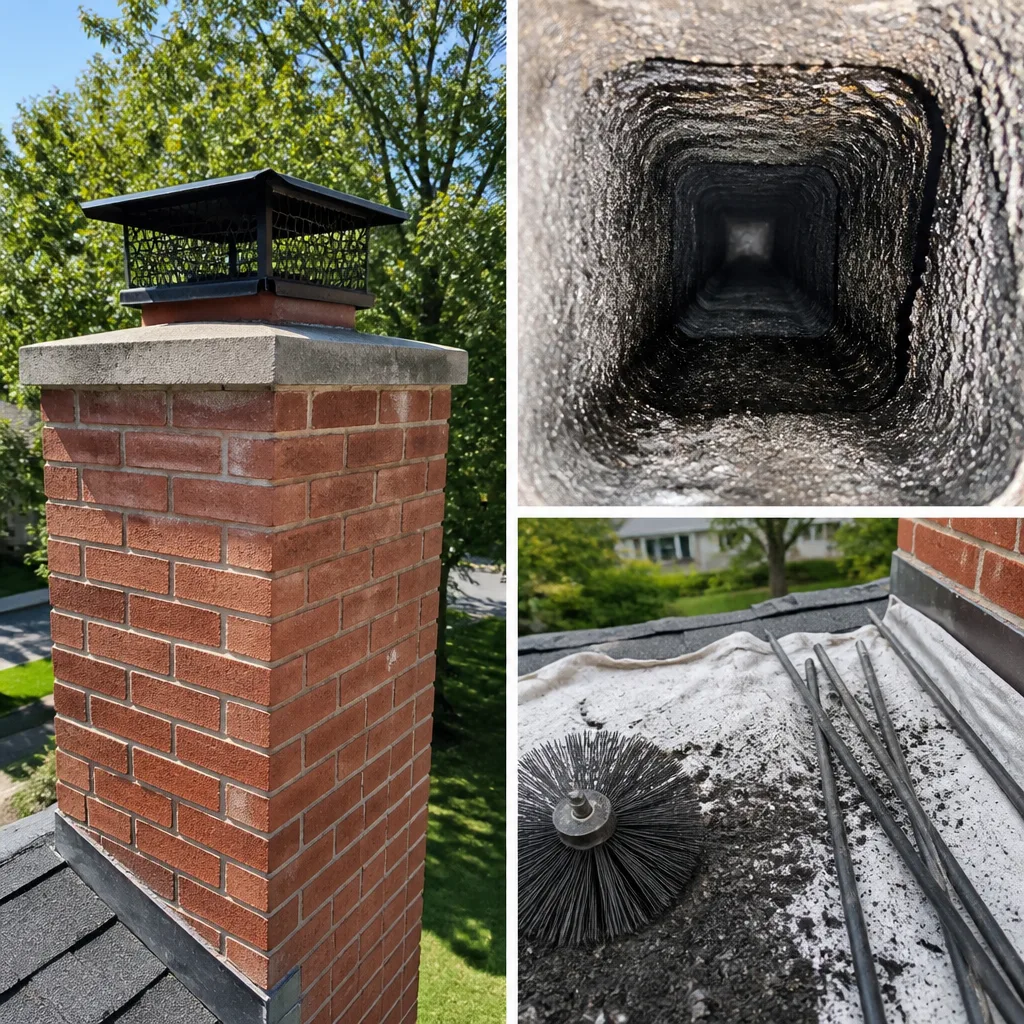
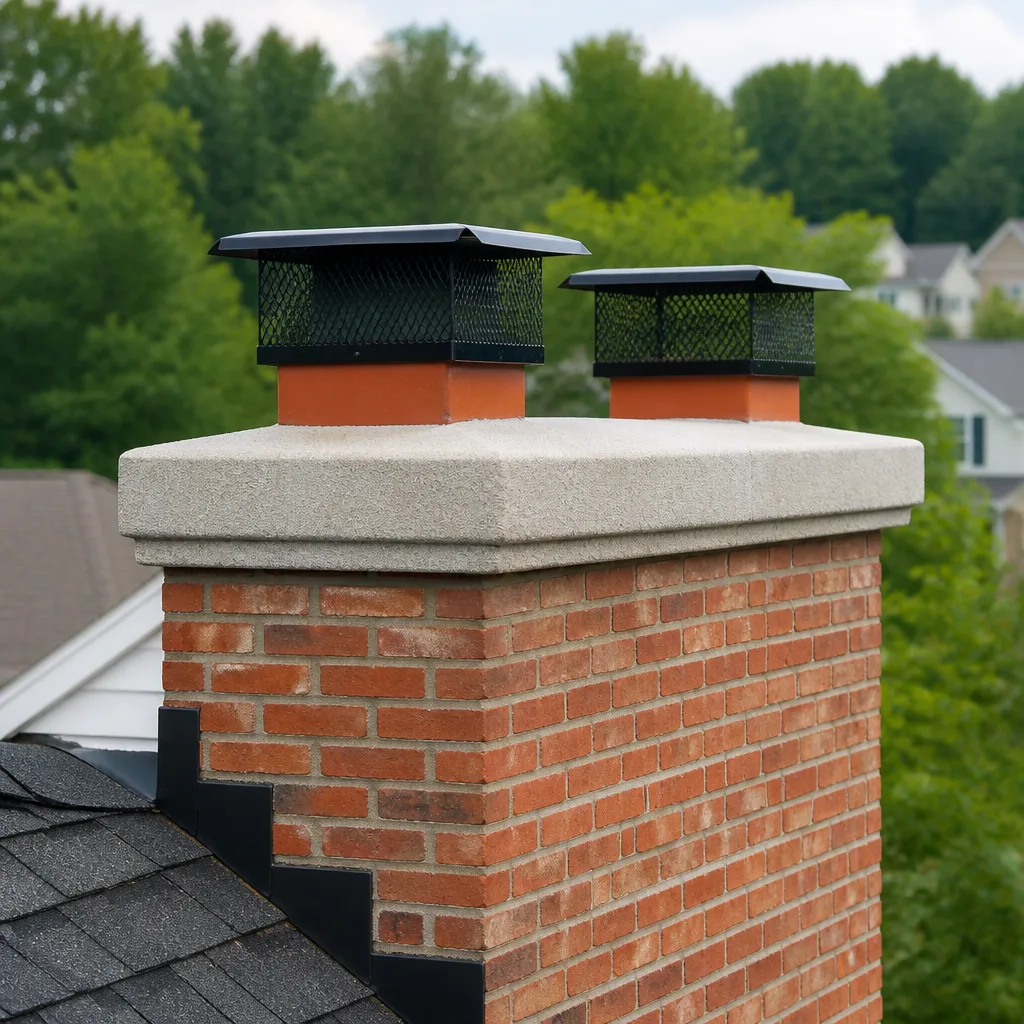
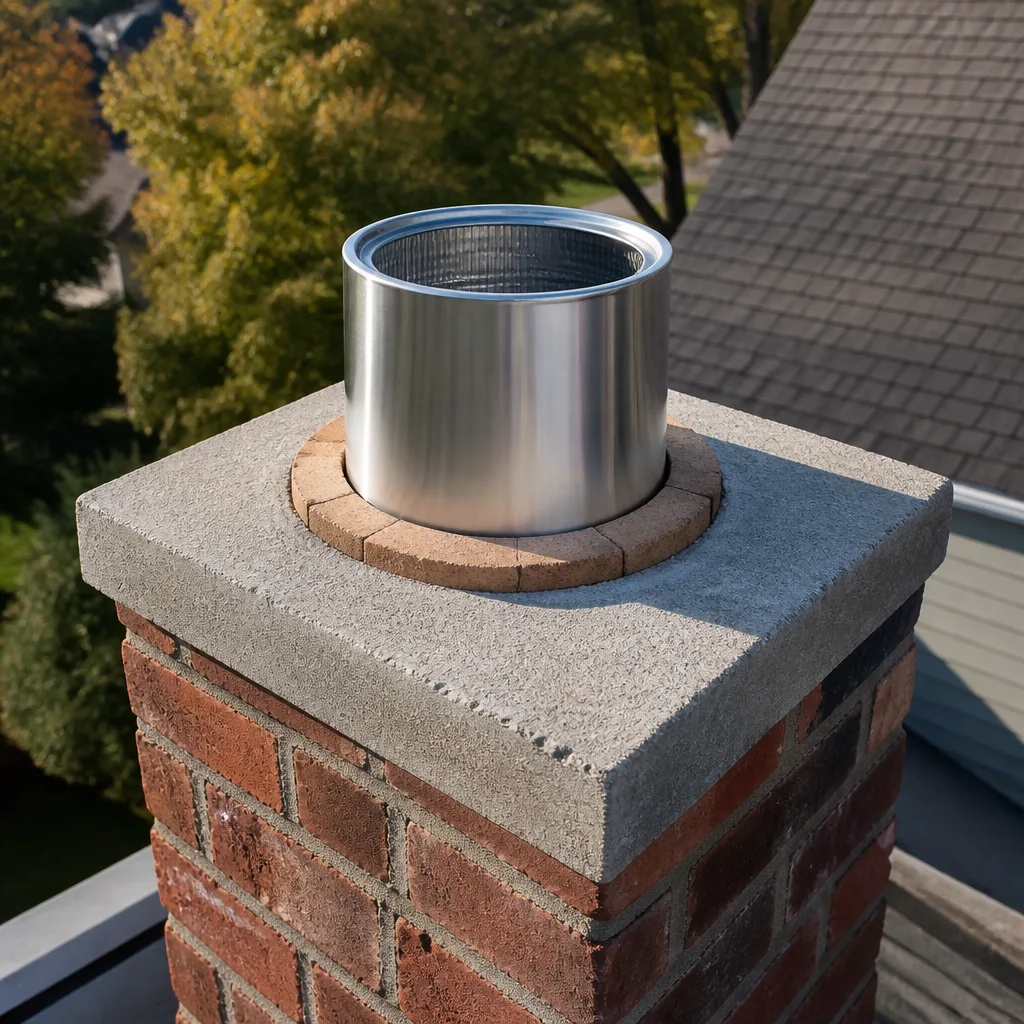
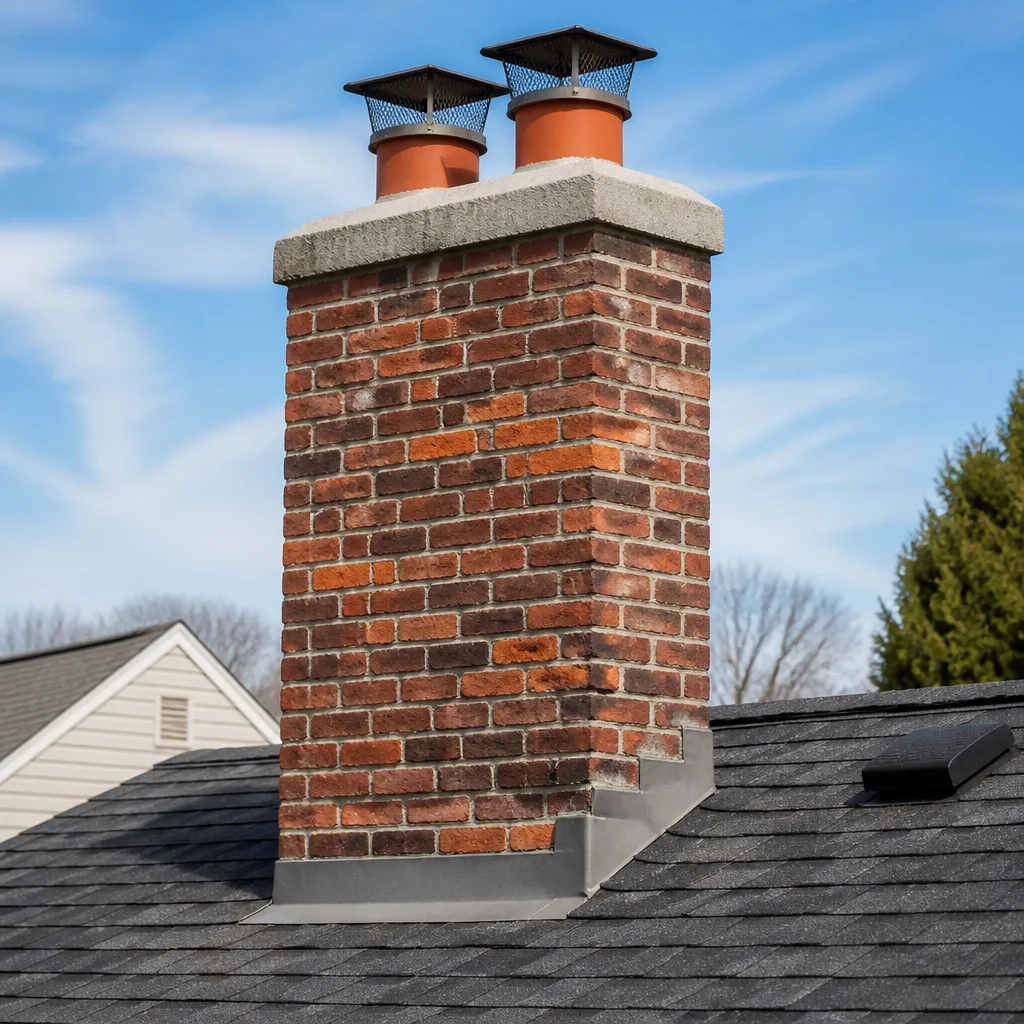
 Before
 After
After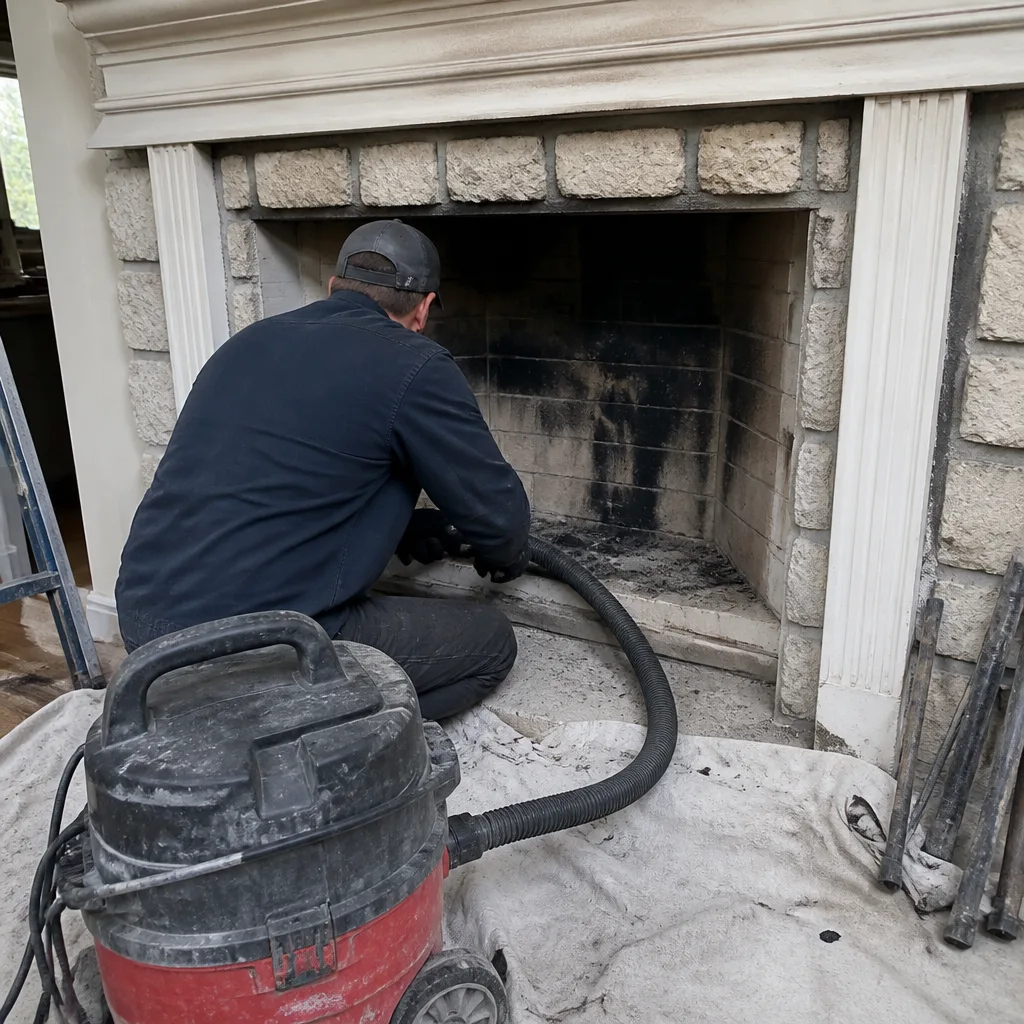 Before
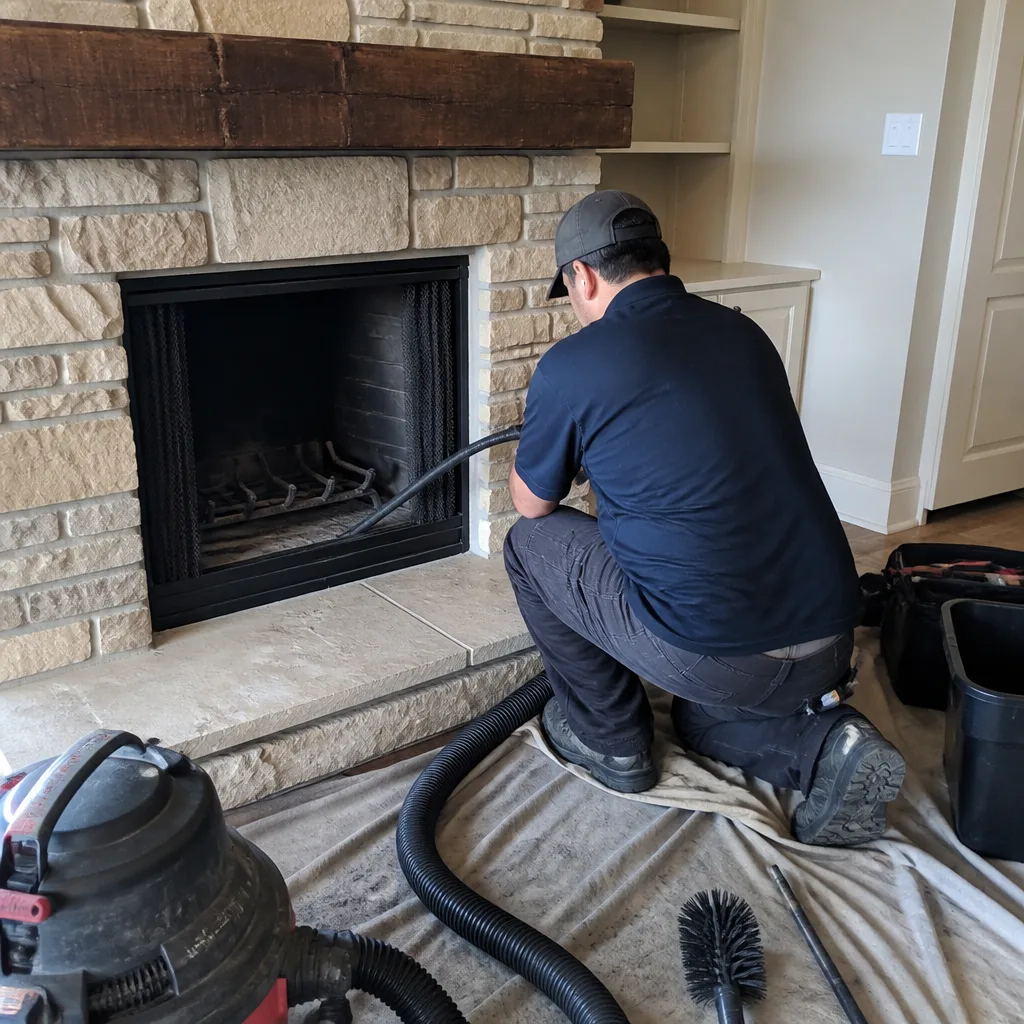 After
After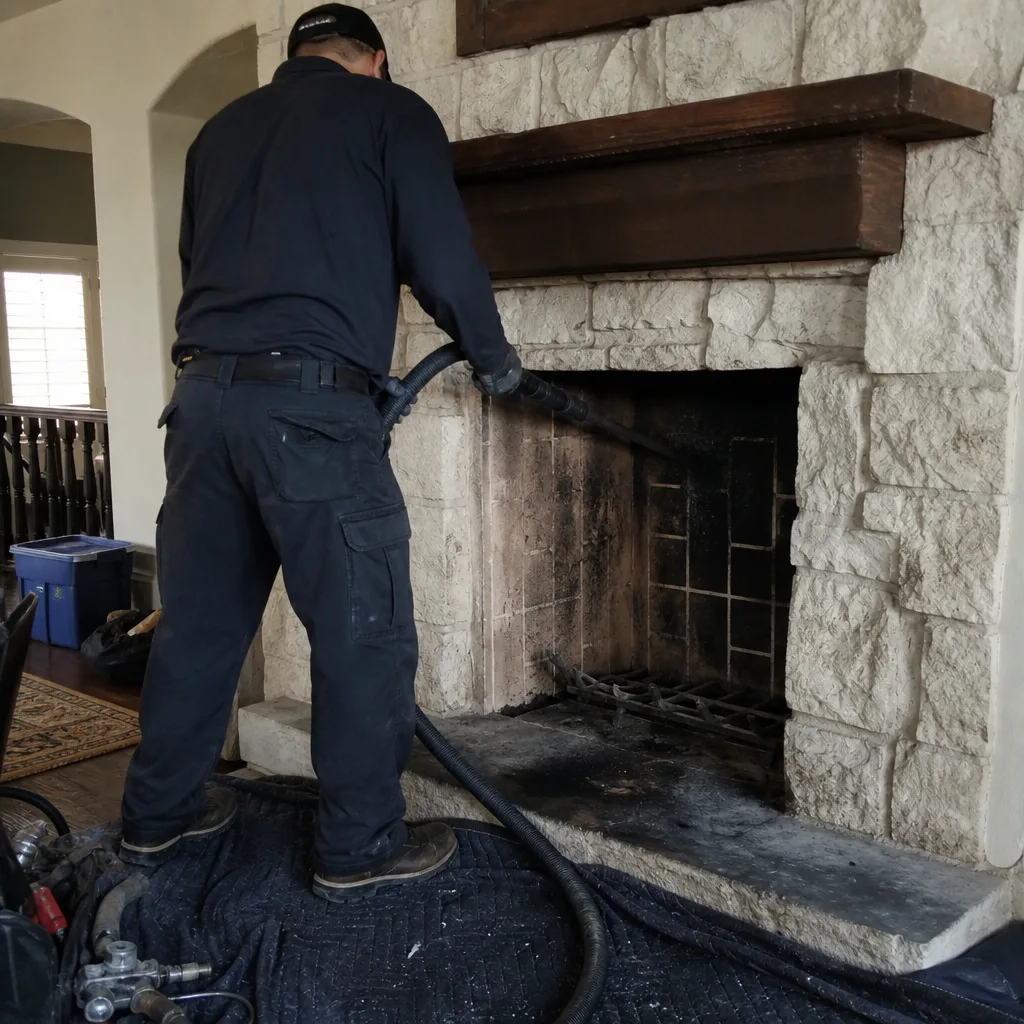 Before
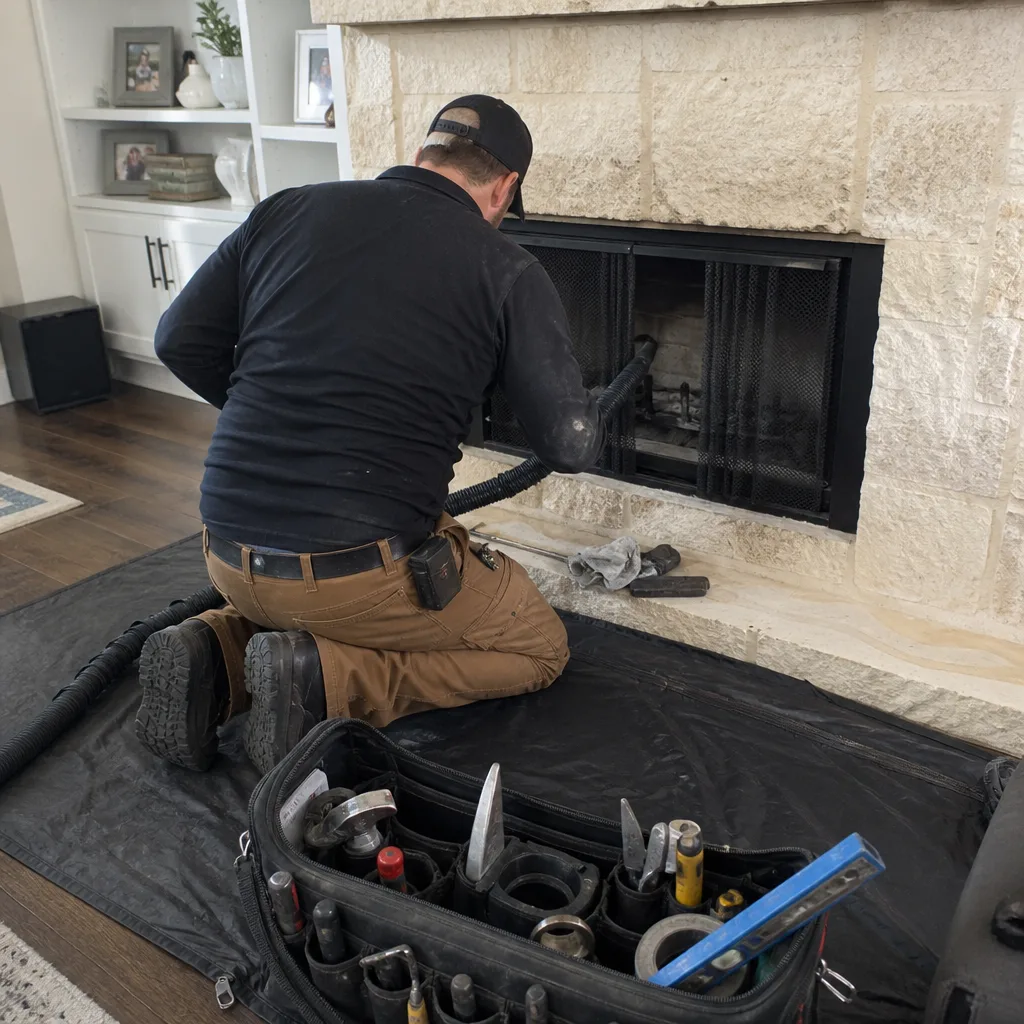 After
AfterCreosote Removal in Plano, TX
Creosote removal in Plano typically runs $150 to $600, depending on how much buildup is present and which class it falls into. Most Chimney Sweep services clear Class I and Class II deposits in a single visit. Class III glazed creosote almost always requires a second appointment and chemical treatment before mechanical removal can begin.
If you’ve been burning wood in a Plano home – even occasionally – creosote is forming inside your flue liner. That’s not a scare tactic; it’s chemistry. Every fire that doesn’t burn hot enough to fully combust the wood gases leaves a residue on the liner walls. Over time that residue hardens, and at Class III it becomes a dense, shiny glaze that holds heat so well it can sustain its own combustion at temperatures above 2,000°F. That’s a chimney fire, not a draft problem.
Emberly Chimney Cleaners has worked through this specific sequence – Level 2 Inspection, classification, written price, removal – on more than 38,000 chimneys since 2009. We’ve done enough of it in Plano’s Legacy West corridors, in the older homes along Shiloh Road, and in the newer builds tucked into Willow Bend to know where the surprises usually hide. If you’d rather talk before reading further, call us at (469) 240-3101. A live person picks up around the clock.
Creosote removal is a core part of what we do under our Chimney Sweep in Plano service, and it follows the same documented process as every other job we run.
When You Need Creosote Removal
You don’t always know creosote is the problem. Here are the concrete situations that bring Plano homeowners to us – and why each one points back to buildup in the flue:
- You smell smoke inside the house during or after a fire. A restricted flue from creosote buildup changes the draft. Instead of pulling combustion gases up and out, the chimney starts pushing them back into the living space. In Plano’s tighter-sealed newer construction, this shows up fast.
- You notice a persistent tar or oily odor when the fireplace is cold. Class II creosote – the tar-like stage – off-gasses through masonry even without a fire going. If your family room smells like a campfire in July, the liner is the first place to look.
- You haven’t had the chimney cleaned in more than 12 months and you burned more than two cords of wood. NFPA 211 calls for annual inspection and cleaning for a reason. Two full cords in a Plano winter can leave 1/8 inch or more of deposit in a single season, especially with shorter, lower-temperature fires.
- Your damper is corroded or your chimney cap is missing. Both situations accelerate creosote formation. Moisture mixes with the deposits and thickens them. We see this pattern frequently in Plano homes that went a few seasons without a functional cap – the creosote in the upper flue turns into a paste before it hardens.
- You’ve already had one chimney fire – even a small one. A chimney fire can look like a dramatic roar or it can sound like a muffled pop and a brief odor. Either way, the heat produced can fracture the liner and bake any remaining creosote into an even harder glaze. Do not use the fireplace again until the liner is inspected with a camera and any remaining Class III material is removed.
- Your home inspector or real estate agent flagged creosote during a purchase inspection. This is common in Plano resale homes, particularly in established neighborhoods like Old Town Plano and the streets running off Independence Parkway. A general home inspector typically can’t classify creosote or quote a removal scope. We can, in writing, before any work starts.
Our Creosote Removal Process
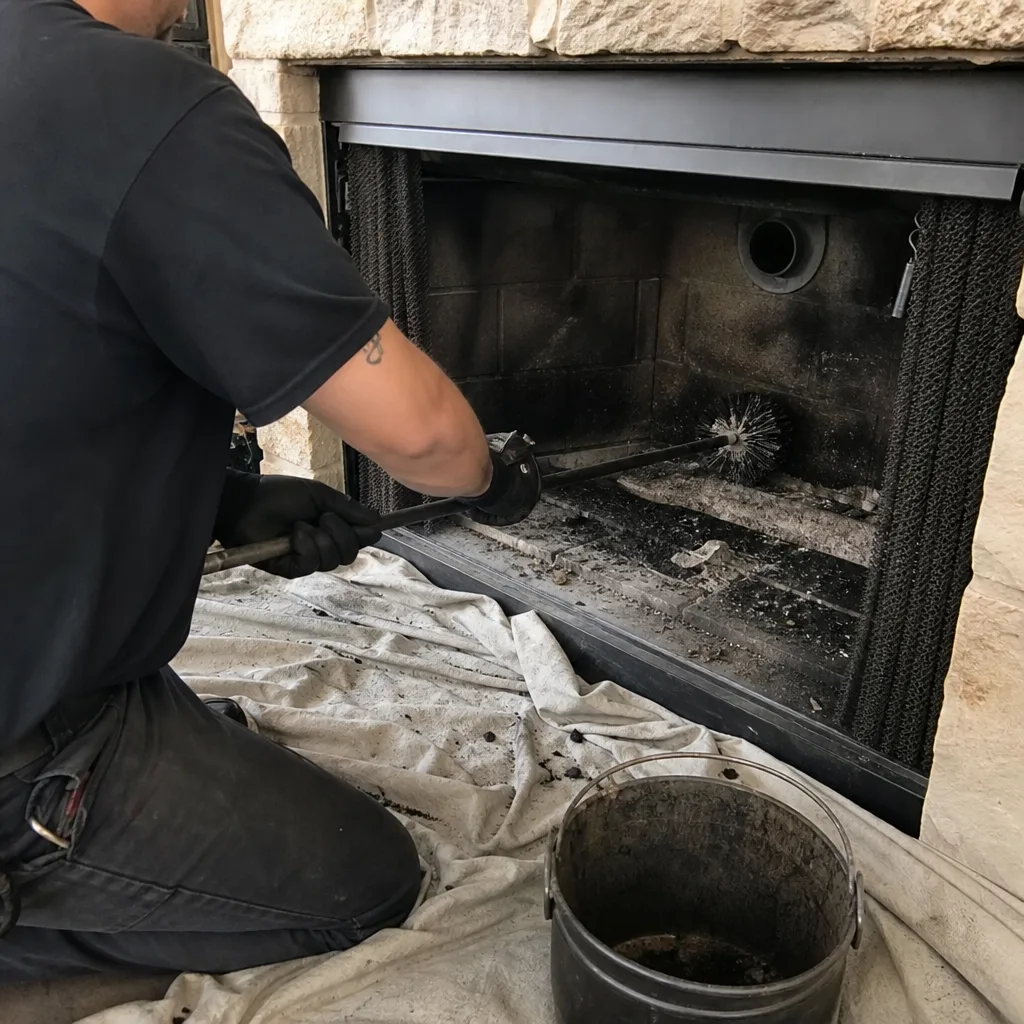
Every job follows the same Level 1 Inspection and documented sequence. No step gets skipped because a tech is running behind. The written price is issued after the camera comes down, not before – because the price depends on what the camera actually shows.
- Level 2 camera scan of the full flue system. A technician runs a video camera down the flue liner from the firebox to the top of the chimney. We’re looking at liner condition, the smoke chamber, the smoke shelf, and any joints or cracks where creosote is packing in. This isn’t optional and it isn’t an upgrade – it’s the default at Emberly Chimney Cleaners, and the documented footage becomes part of your job record under Haven Standard Clause 4.
- Creosote classification and written scope. Based on the camera footage and a physical inspection, we classify the deposit: Class I (dry, flaky, light gray), Class II (tar-like, sticky, darker), or Class III (glazed, hard, shiny black). Each class requires different tools and sometimes different chemistry. You get a written price and a written scope before anyone touches the chimney. That’s Haven Standard Clause 1 – it’s not a courtesy, it’s the policy.
- Chemical pre-treatment for Class III glazed creosote. Glazed creosote cannot be brushed out. Rotary tools can score it but won’t clear it. The correct first step is applying a chemical modifier – we use products sourced through our supply network, including options from Copperfield – that converts the glaze into a dry, brittle material that can then be brushed free. This process may require 24 to 48 hours of dwell time, which is why Class III jobs typically span two visits. We’ll tell you that on the front end, in writing.
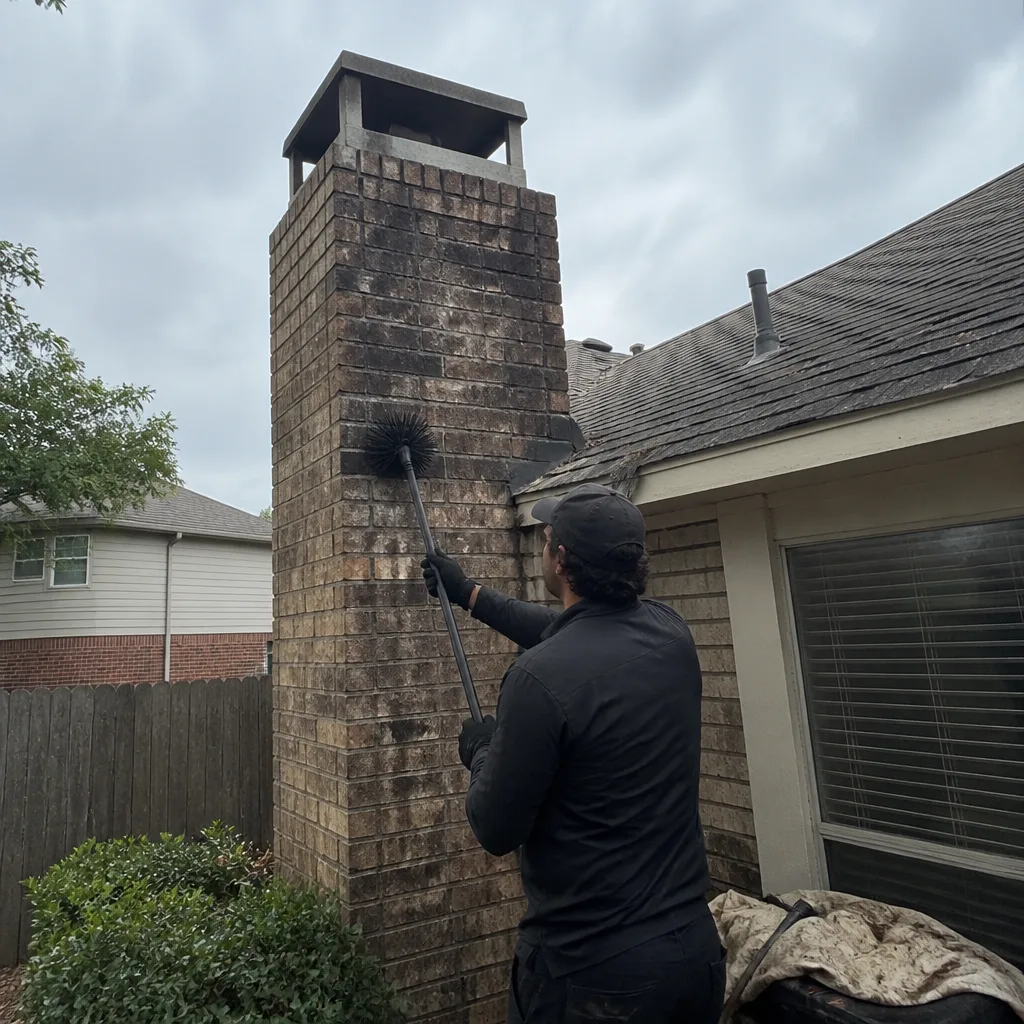
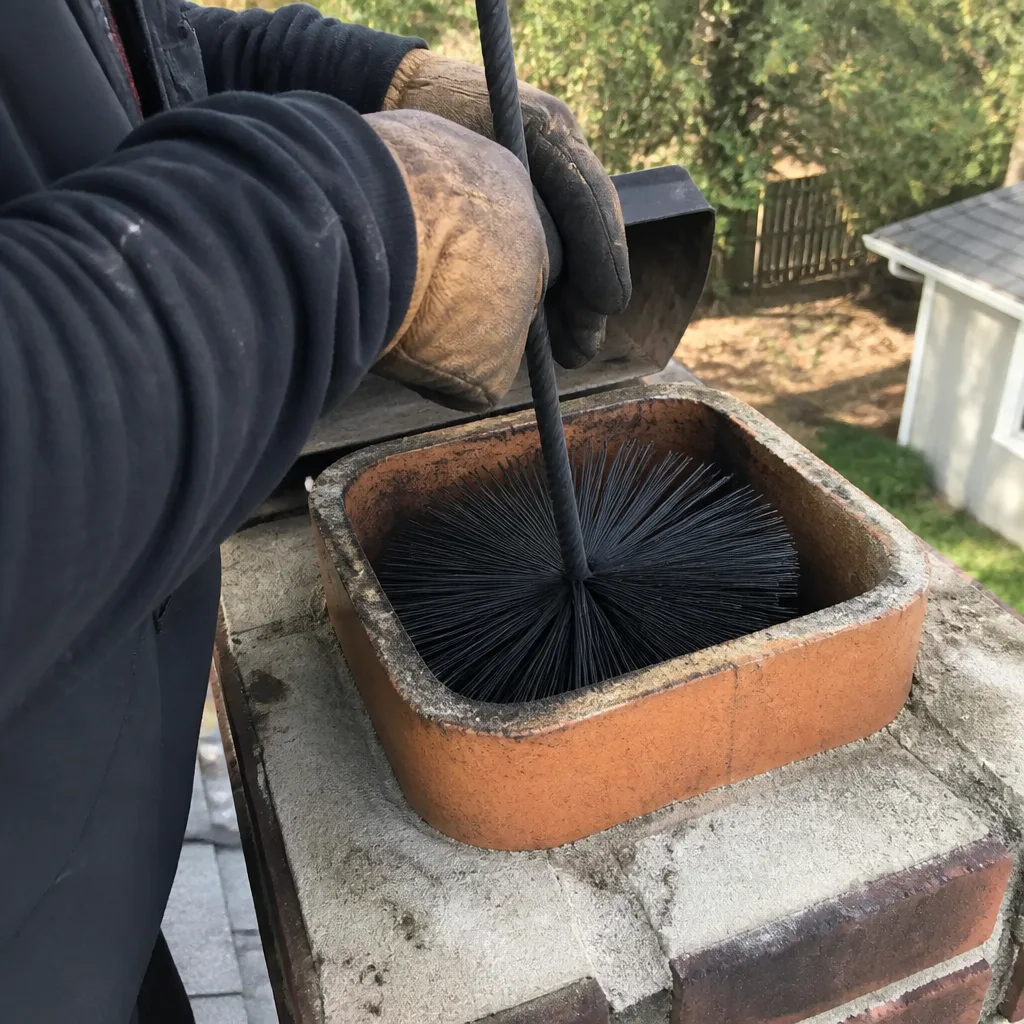
- Mechanical removal with rotary cleaning systems and hand rods. Once the deposit is in a removable state, a technician works from the firebox upward with rotary brushes sized to your specific liner diameter. Dust containment is set up at the firebox opening before any brushing begins. For clay tile liners common in Plano homes built before 2000, we adjust brush pressure to avoid fracturing tile joints already stressed by age. For stainless steel liners – typically installed on HeatShield or DuraFlex relining jobs – rotary cleaning is more aggressive but still controlled.
- Post-removal camera confirmation and photo record. After the mechanical work is complete, the camera goes back down. We’re confirming that the liner walls are clear, checking for any fractures or gaps the removal process may have uncovered, and documenting the final condition with photographs. You receive a written record of both the before and after state. That record travels with the house if you sell, and it satisfies most insurance documentation requests without a separate form.
- Written summary and 365-Day Done Right Promise. The job doesn’t close until you have a written summary of what was found, what was done, and what – if anything – needs follow-up attention. Every removal job is covered by our 365-Day Done Right Promise: if it’s not done right, we come back and make it right. That’s not a verbal assurance – it’s a stated commitment on the written record you receive at job completion.
BeforeAfterCreosote Removal Pricing in Plano
Creosote removal in Plano costs $150 to $600 for most jobs. The number that applies to your chimney depends on two things: the class of the creosote and the linear footage of flue that needs to be cleared. Here’s how the ranges break down in plain terms:
- Class I removal (standard sweep, light gray/flaky deposit): $150 – $250. This is what a well-maintained chimney looks like after one or two seasons of moderate use. It comes off in a single visit with brush and rod. A single-story home in Plano with a standard 15-foot flue typically lands in this range.
- Class II removal (tar-like, sticky deposit): $250 – $400. This deposit has absorbed moisture and compacted. It takes more time and sometimes a mild chemical treatment before brushing. Two-story homes and those with longer flues – common in the larger lot sizes off Hedgcoxe Road and in Willow Bend Estates – trend toward the higher end.
- Class III removal (glazed, hard, requires chemical treatment): $400 – $600 and, in heavy cases, more. Because this almost always requires two visits, the price reflects two mobilizations, the chemical modifier, and a full camera inspection at each stage. If you’re looking at a Class III situation and a competitor is quoting you one-visit removal for $200, ask them how they plan to remove glaze without chemistry. A written scope will tell you.
What these ranges do not include: liner repair, cap replacement, smoke chamber repair, or any work outside the direct removal scope. If the camera scan shows cracked tiles or a deteriorating smoke shelf – both of which we see in older Plano homes that have had repeated creosote events – those will be quoted separately, in writing, before a tech touches anything.
We source cleaning chemistry and consumables through the Haven supply network, including products from Copperfield. That buying arrangement exists specifically to keep material costs honest on the customer side.
Estimates are free. Call (469) 240-3101 and tell us what you’re seeing. If you’ve already received a written estimate from another company, bring it to us – we offer a free second opinion on any written quote.
FAQs – Creosote Removal
How often does a Plano home need creosote removal?
Most Plano homes that use their fireplace regularly through the winter need creosote removed once per year. NFPA 211 calls for at least annual inspection and cleaning, and that standard exists because one cord of wood burned in shorter, lower-temperature fires can deposit enough residue to restrict the flue or reach Class II by the end of the season. If you burn closer to two cords or regularly use manufactured logs in addition to split hardwood, a mid-season check is worth scheduling. Homes that use the fireplace only occasionally – four or five fires a year – can typically go two seasons, but the camera inspection is still the only way to know for certain what class the deposit is. Call us at (469) 240-3101 and we can walk you through what to expect based on your fuel type and frequency.
Can I remove creosote myself with a cleaning log or chemical spray?
Creosote sweeping logs and spray-on modifiers sold at hardware stores are designed to reduce the adhesion of Class I and light Class II deposits – they don’t remove creosote, they treat it so a subsequent brushing is easier. For Class III glazed creosote, a consumer product applied without a professional-grade brush and rotary system will not produce a clean liner. More importantly, you can’t see what you’re doing inside a closed flue without camera equipment, which means you won’t know whether the deposit is fully cleared or whether the liner behind it has stress fractures. High-tension flue cleaning equipment and the gases involved in a poorly maintained chimney present real injury risk to anyone working without training. We’d rather give you an honest price than encourage a workaround that leaves hazardous material in the flue. Call (469) 240-3101 – the estimate doesn’t cost anything.
What does Class III creosote actually look like, and is it dangerous?
Class III creosote is a hard, shiny, tar-like glaze – sometimes black, sometimes dark brown – that coats the inner wall of the flue liner. It forms when Class II creosote is exposed to high heat repeatedly, which drives off remaining moisture and fuses it to the surface. It’s dangerous because it burns. Creosote of any class is combustible, but glazed Class III ignites at lower temperatures and burns hotter and longer than the other stages. A chimney fire fed by Class III deposit can reach internal temperatures above 2,000°F, which is enough to crack clay tile liners, spall masonry, and transfer heat to adjacent framing. In the denser home construction found in Plano’s West Plano and Los Rios neighborhoods, that kind of liner failure has direct structural implications. If a technician shows you glazed creosote in a camera scan, the job is not done until it’s confirmed removed and the liner is reinspected.
Does homeowner’s insurance cover chimney fires caused by creosote?
Coverage depends on your specific policy and carrier. Most standard homeowner’s policies cover sudden and accidental fire damage, including a chimney fire and resulting structural damage. But many carriers include exclusion language that applies when a fire results from deferred maintenance – meaning a chimney that hasn’t been inspected or cleaned in multiple years. The documented photo record and written service summary you receive from every Emberly Chimney Cleaners job serves as direct evidence that the system was properly maintained. If your carrier requests documentation following a fire or as part of a renewal underwriting review, the record we provide under Haven Standard Clause 4 is the format they’re typically looking for. Call us at (469) 240-3101 if you need to establish a current baseline record before your renewal date.
What to Expect When You Call
When you call Emberly Chimney Cleaners at (469) 240-3101, a live person answers – not a voicemail, not a callback queue. You’ll get a real conversation about what you’re seeing, and if a visit makes sense, we’ll tell you what the inspection covers and how the pricing works before anyone is dispatched.
The tech assigned to your job is background-checked and uniformed. You’ll get a text when they’re on the way. The camera goes down before any price is quoted for removal work. You’ll see the footage, you’ll know the classification, and you’ll have a written price in hand before a single brush touches the liner.
If you’ve already got a written estimate from another chimney company and you’re not sure it covers what it says it does, we’ll review it for free. Bring us the written quote and we’ll tell you exactly what ours would say by comparison.
Every creosote removal job is part of our broader home chimney care service – documented, warranted, and on record for the life of your fireplace system.
Call (469) 240-3101 to schedule a camera inspection and get a written price for creosote removal in Plano. No voicemail, no web-form wait. Just a straight answer about what’s in your flue and what it costs to clear it.
Written by Corrine Halstead, Owner at Emberly Chimney Cleaners Plano, serving Plano.